Persian perfume vial
1344×768 · AVIF · CC BY 4.0
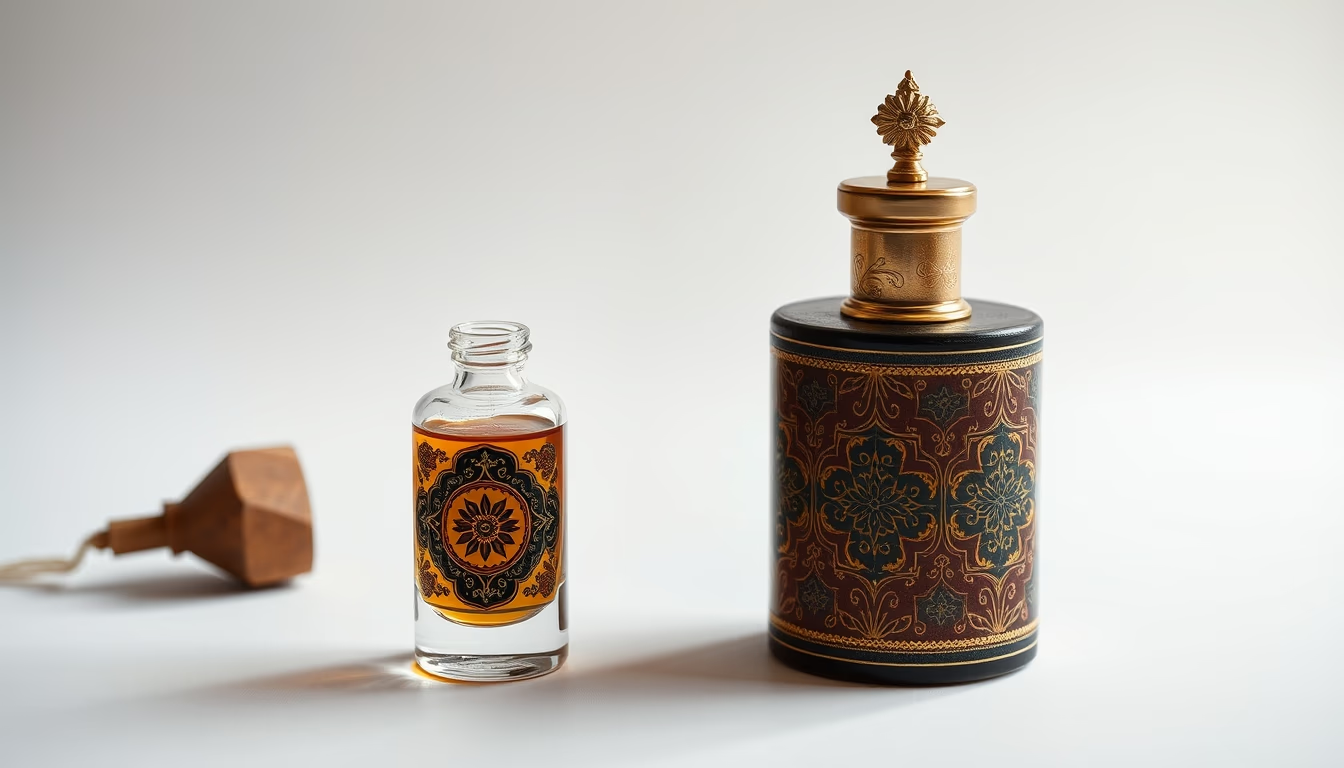
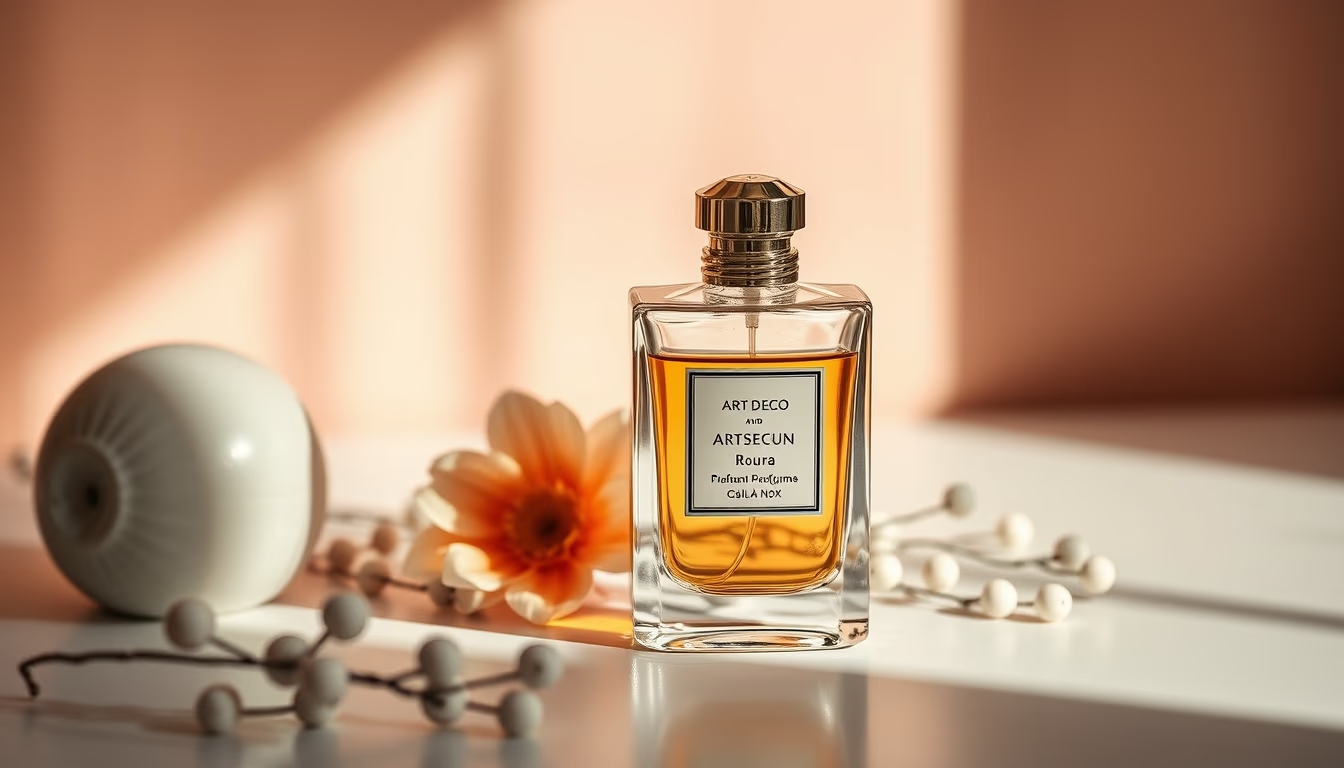
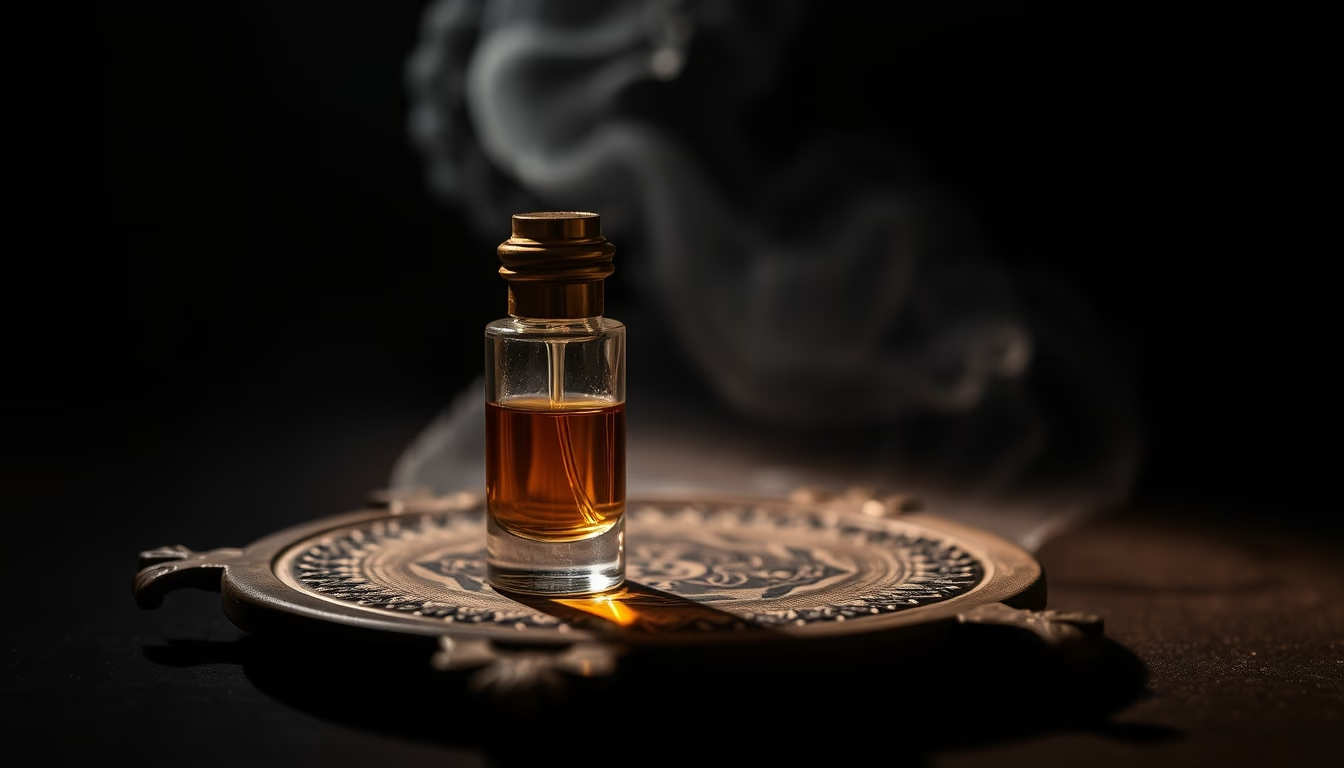
Persian perfume vial, a handcrafted cut-glass bottle with a metal cap, typical of ancient Iranian glassmaking and metalwork.
About this subject
The Persian perfume vial is a remarkable example of Iranian craftsmanship, combining cut glass with metalwork. Pieces like this, usually handmade, date back to the Safavid period (16th, 18th centuries), when glass production and perfumery flourished in Persia. The glass body is often decorated with floral or geometric motifs inspired by Persian gardens (pairidaeza), the origin of the word “paradise.” The metal cap, often silver or copper alloy, is worked with filigree or repoussé.
In Persian culture, perfumes had religious and social uses. Rose oil (golab) was essential in ceremonies and baths, and the vials were designed to preserve the purity of the scent. The elongated shape and narrow neck helped control evaporation. Many ancient vials have been found in archaeological excavations in Iran, such as at Persepolis and Susa, indicating a millennia-old tradition.
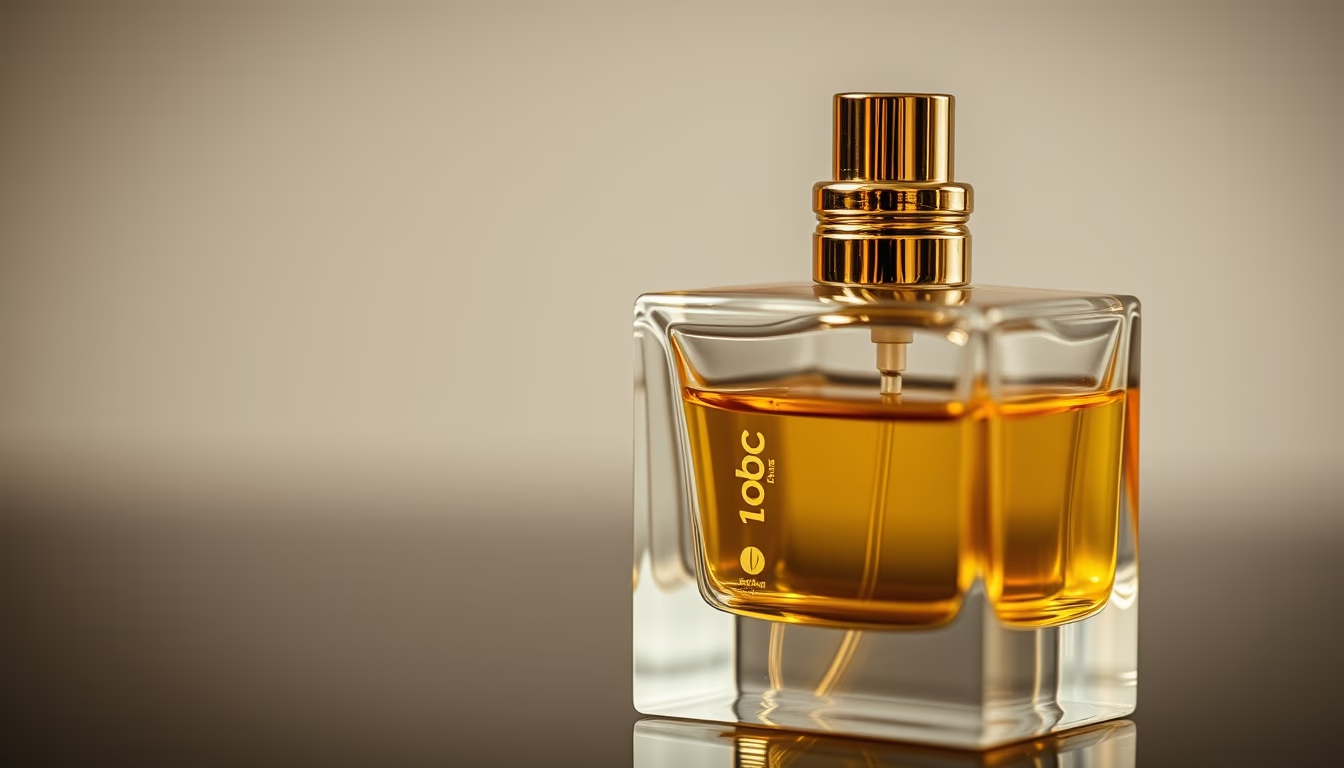
The technique of glass cutting, known as “frosted glass,” requires great skill. The artisan uses stone wheels and abrasive powder to create raised patterns. Persian metalwork, under Islamic influence, avoids figurative representations, favoring arabesques and calligraphy. This particular vial, photographed in a studio setting, highlights the reflections and transparency of the glass, showcasing the quality of the work.
Today, replicas of these vials are produced in cities like Isfahan and Shiraz, keeping the tradition alive. Collectors value original pieces from the 19th and 20th centuries, which can fetch high prices at international auctions. Persian design influenced European glassware, especially in the Victorian era, when the “Persian style” was fashionable.
Frequently Asked Questions
What is the historical origin of Persian perfume vials?
Glass production in Persia dates back to around 2000 BCE, but cut-glass perfume vials flourished during the Safavid period (16th, 18th centuries), influenced by Islamic metalwork and Persian gardens.
What materials are used in these vials?
The body is usually blown and cut glass, while the cap is made of silver, copper, or brass, with filigree or repoussé decoration. Rare examples use gold or precious stones.
How can one identify an authentic Persian vial?
Characteristics include thick glass with hand-cutting, vegetal or geometric motifs, a precisely fitted metal cap, and artisan marks. Antique pieces show patina and slight irregularities typical of handcraftsmanship.
Direct URL
https://pub-c7d6a6ea828543ac903a74a341ccb2e1.r2.dev/imagens/persian-perfume-vial-studio-still-life-fresh6.avifHow to credit
Include a visible link back to UtilizAí. Copy one of the snippets below:
<a href="https://xn--utiliza-eza.com/en/midia/imagens/persian-perfume-vial-studio-still-life-fresh6">Persian perfume vial</a> by <a href="https://xn--utiliza-eza.com">UtilizAí</a>, licensed under <a href="https://creativecommons.org/licenses/by/4.0/">CC BY 4.0</a>.
[Persian perfume vial](https://xn--utiliza-eza.com/en/midia/imagens/persian-perfume-vial-studio-still-life-fresh6) by [UtilizAí](https://xn--utiliza-eza.com), CC BY 4.0
License: CC-BY-4.0