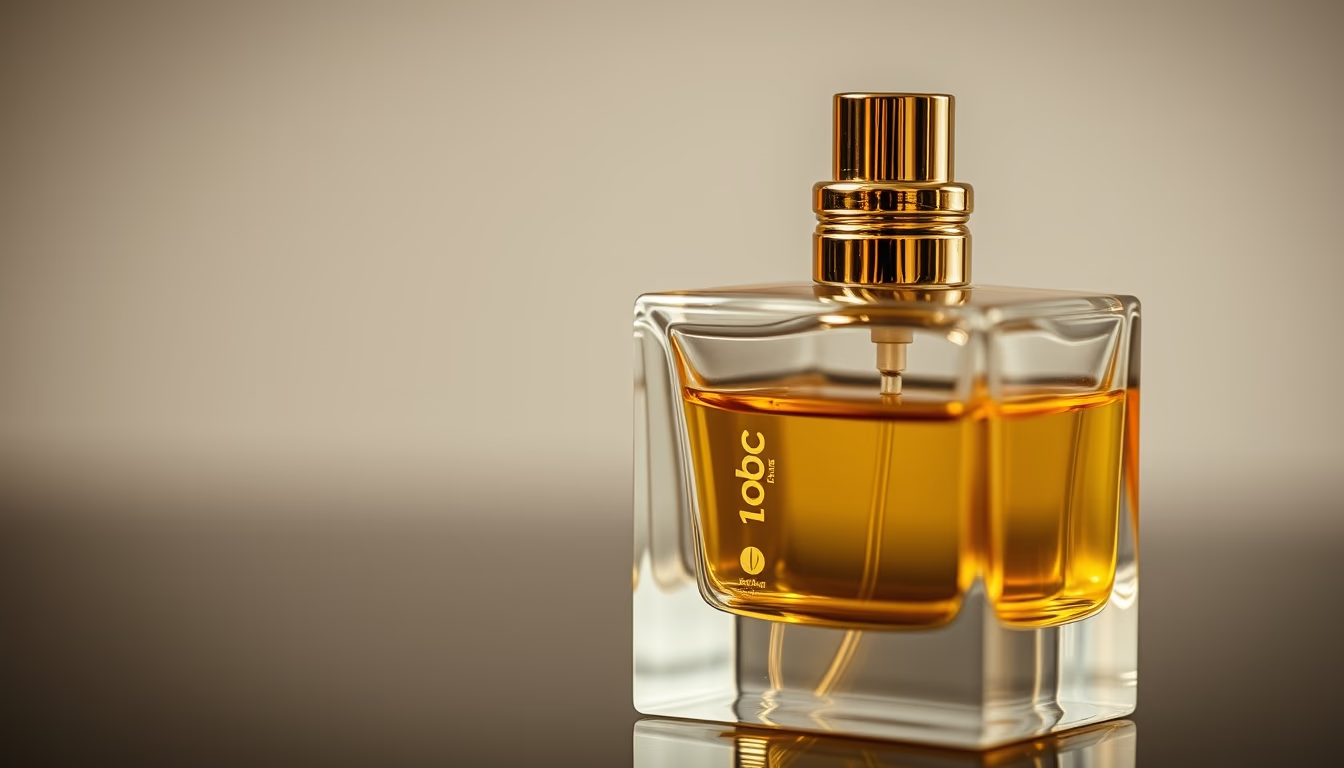
Persian perfume vial
1344×768 · AVIF · CC BY 4.0
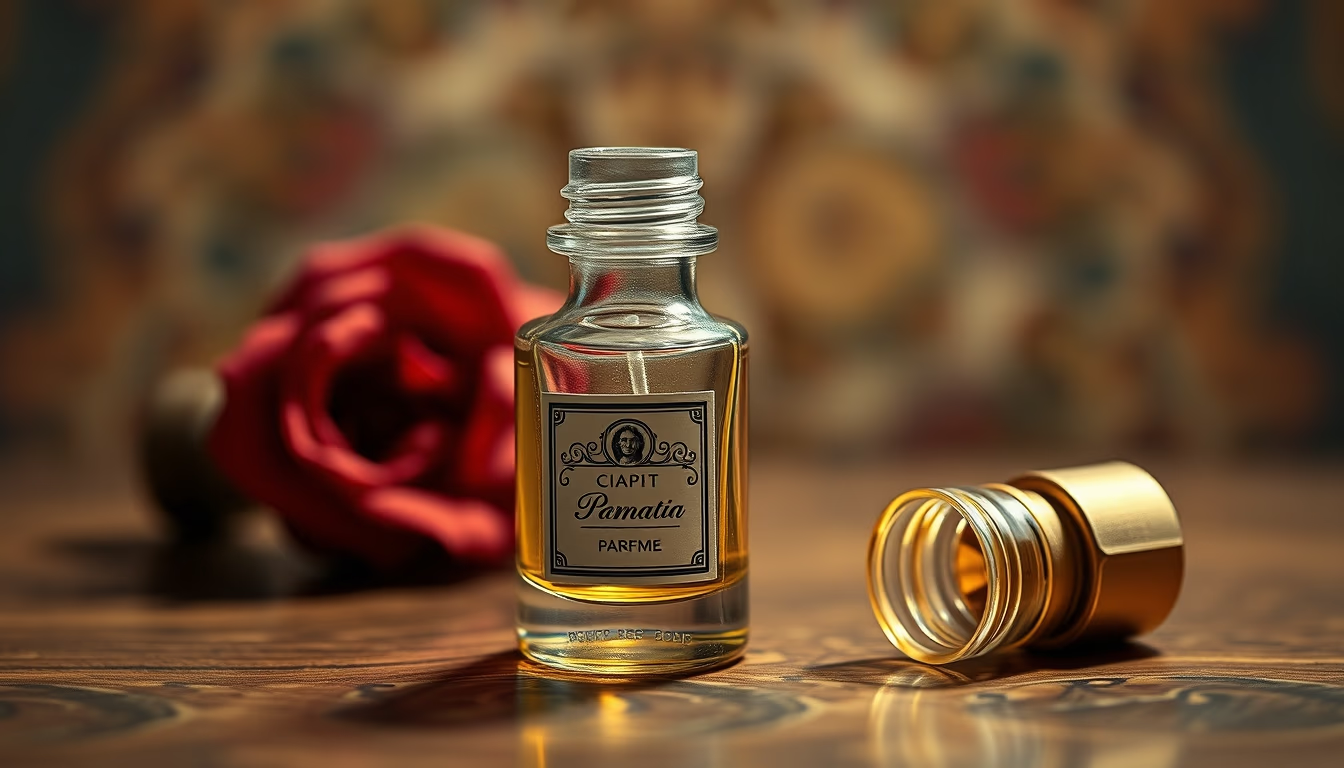
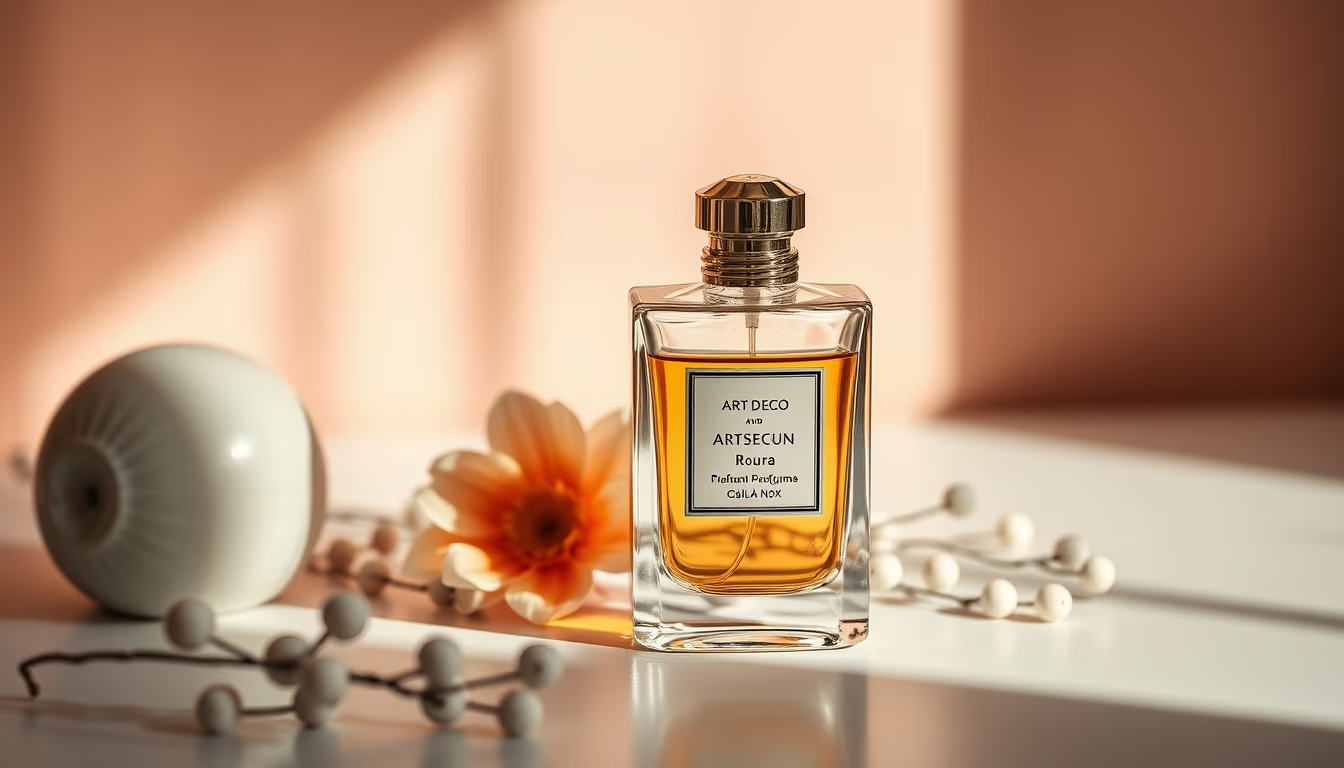
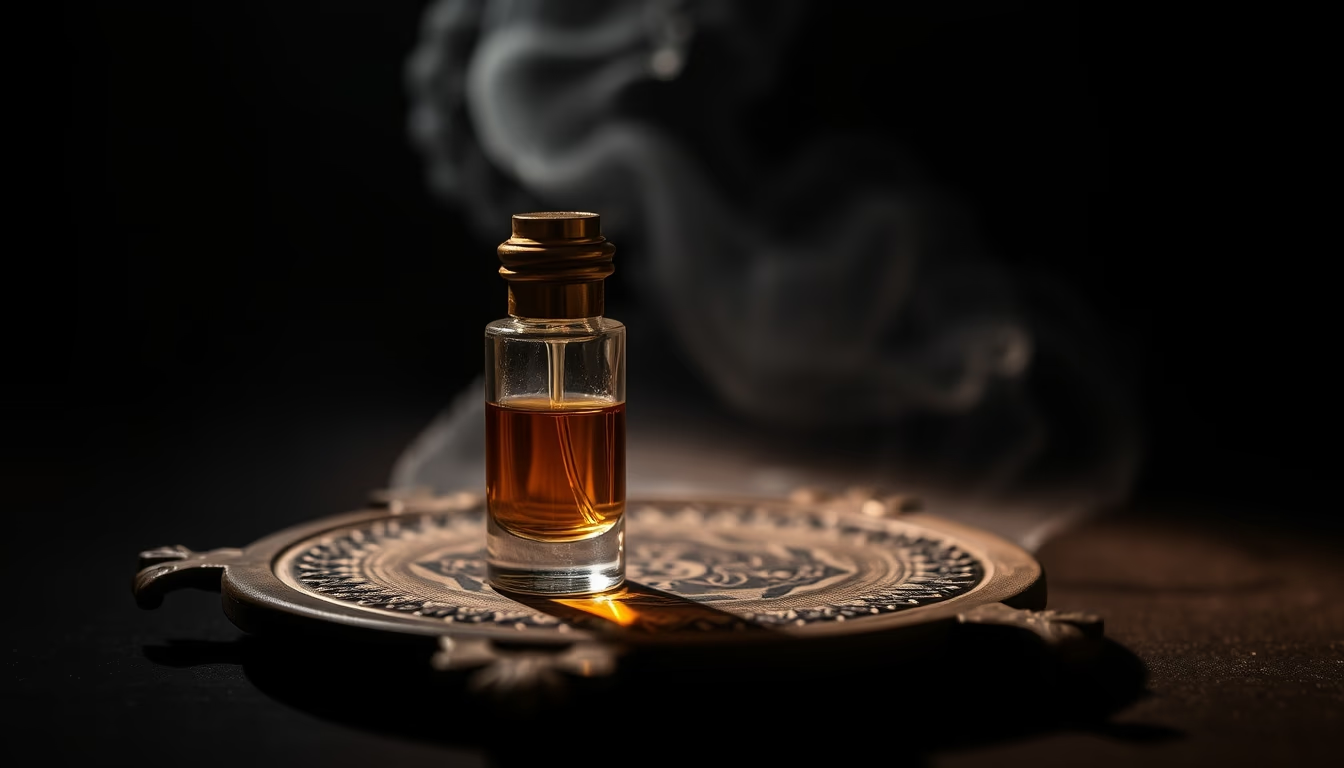
A Persian perfume vial is a small work of art reflecting centuries of perfumery tradition and craftsmanship in Iran.
About this subject
Persian perfume vials, known as atrdan or shisheh, are containers traditionally used to store scented oils and essences. The art of creating these vials dates back to the Achaemenid period (550, 330 BC), when the spice and aroma trade flourished in Persia. Artisans used sophisticated glassblowing and carving techniques, often decorating the vials with geometric patterns, calligraphy, or nature-inspired motifs. Glass was frequently colored with metal oxides, producing shades of blue, green, and amber that also protected the contents from light.
Persian perfumery has deep cultural roots. The use of roses, saffron, musk, and amber was common, and vials were designed to preserve the purity and intensity of fragrances. Many featured long, narrow necks that minimized evaporation and allowed controlled application. Beyond function, they were status symbols: wealthy families commissioned personalized pieces with precious metals or stone inlays.
Today, ancient Persian perfume vials are prized by collectors and historians. They offer clues about trade routes, glassmaking techniques, and regional aesthetics. The National Museum of Iran in Tehran houses examples from the Sassanid period, while 19th-century pieces show European influence. The Persian perfumery tradition continues, with modern artisans hand-blowing glass in classic designs, keeping this cultural heritage alive.
Frequently Asked Questions
What is the origin of Persian perfume vials?
The origin dates back to the Achaemenid period (550, 330 BC), when Persia was a hub for spice and aroma trade. Artisans developed glassblowing techniques to create containers that preserved fragrances.
What materials were used to make these vials?
They were mainly made of hand-blown glass, often colored with metal oxides. More luxurious versions included precious metals like gold and silver, as well as inlays of semiprecious stones.
Where can I see ancient Persian perfume vials today?
Examples can be found at the National Museum of Iran in Tehran, as well as in private collections. Pieces from the Sassanid period and the Qajar dynasty are especially notable.
Direct URL
https://pub-c7d6a6ea828543ac903a74a341ccb2e1.r2.dev/imagens/persian-perfume-vial-lo-fi-disposable-camera-fresh5.avifHow to credit
Include a visible link back to UtilizAí. Copy one of the snippets below:
<a href="https://xn--utiliza-eza.com/en/midia/imagens/persian-perfume-vial-lo-fi-disposable-camera-fresh5">Persian perfume vial</a> by <a href="https://xn--utiliza-eza.com">UtilizAí</a>, licensed under <a href="https://creativecommons.org/licenses/by/4.0/">CC BY 4.0</a>.
[Persian perfume vial](https://xn--utiliza-eza.com/en/midia/imagens/persian-perfume-vial-lo-fi-disposable-camera-fresh5) by [UtilizAí](https://xn--utiliza-eza.com), CC BY 4.0
License: CC-BY-4.0