Persian perfume vial
1344×768 · AVIF · CC BY 4.0
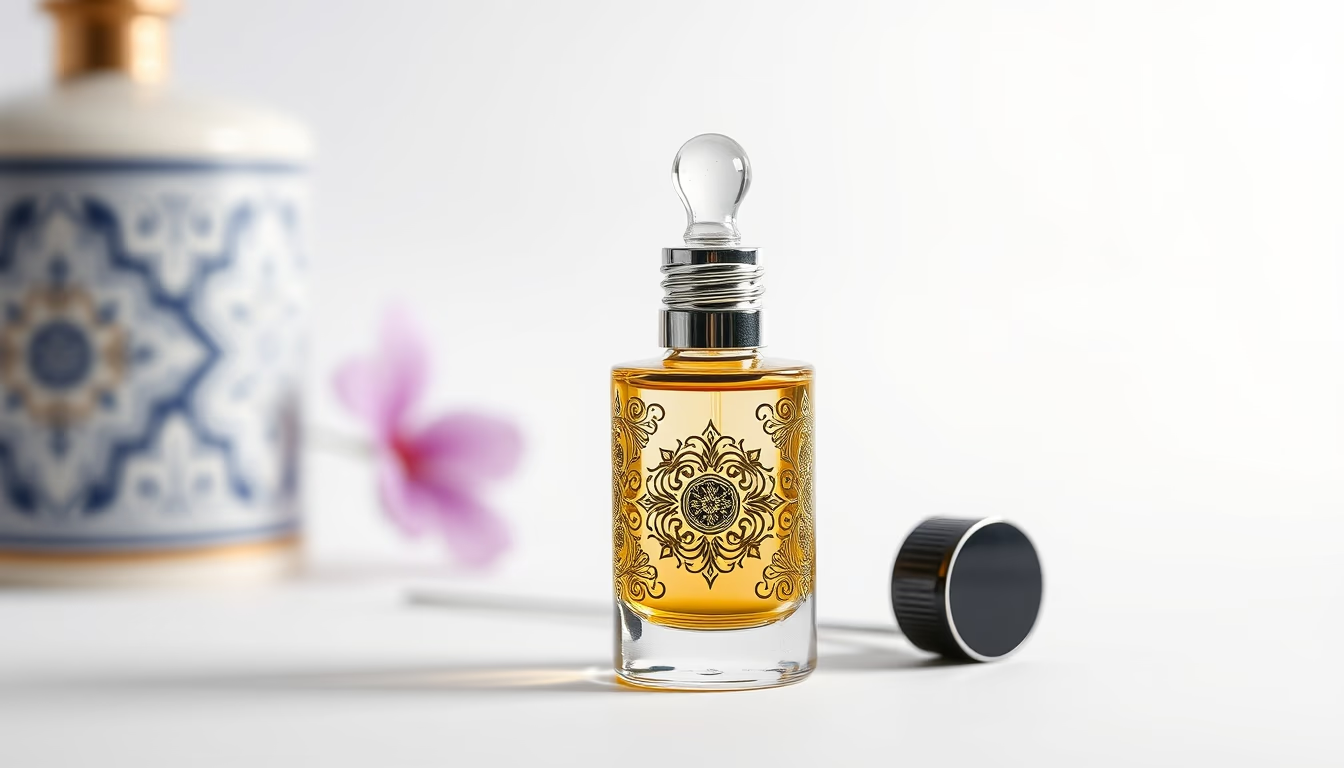
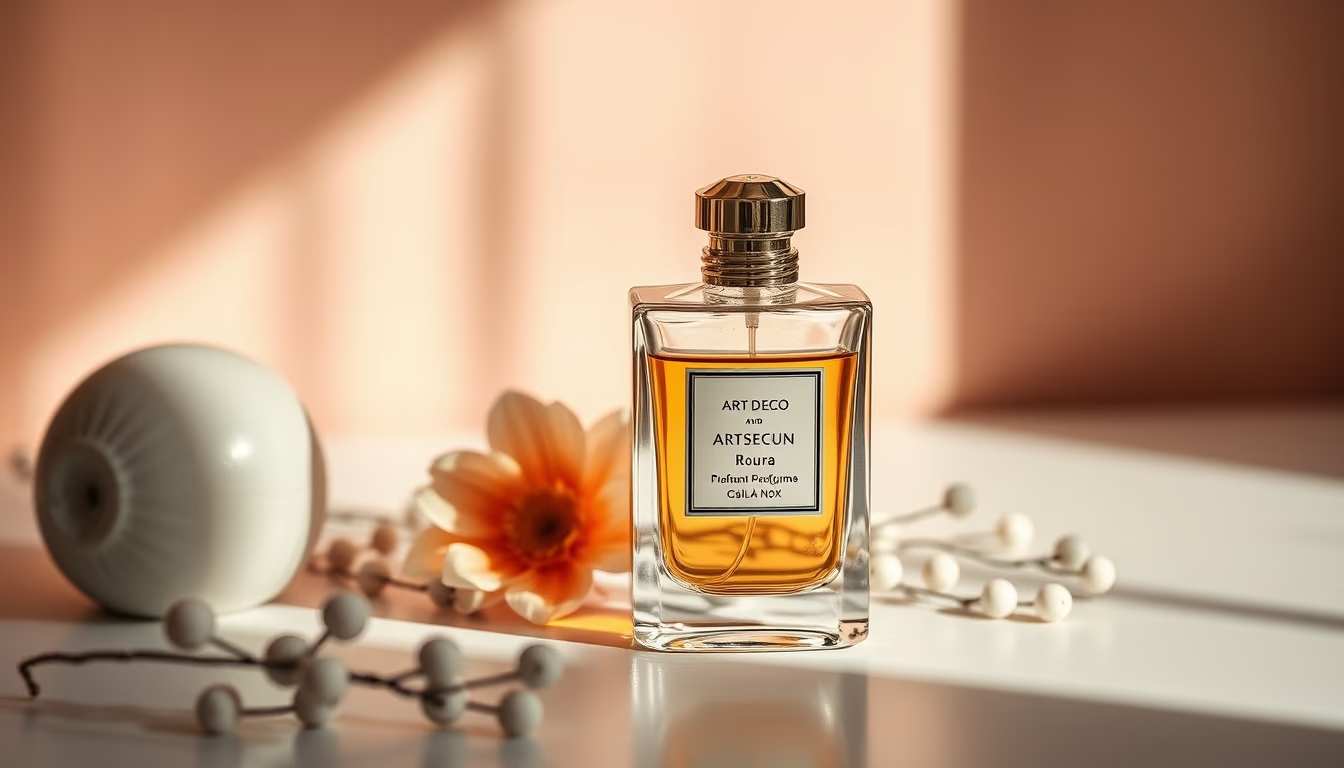
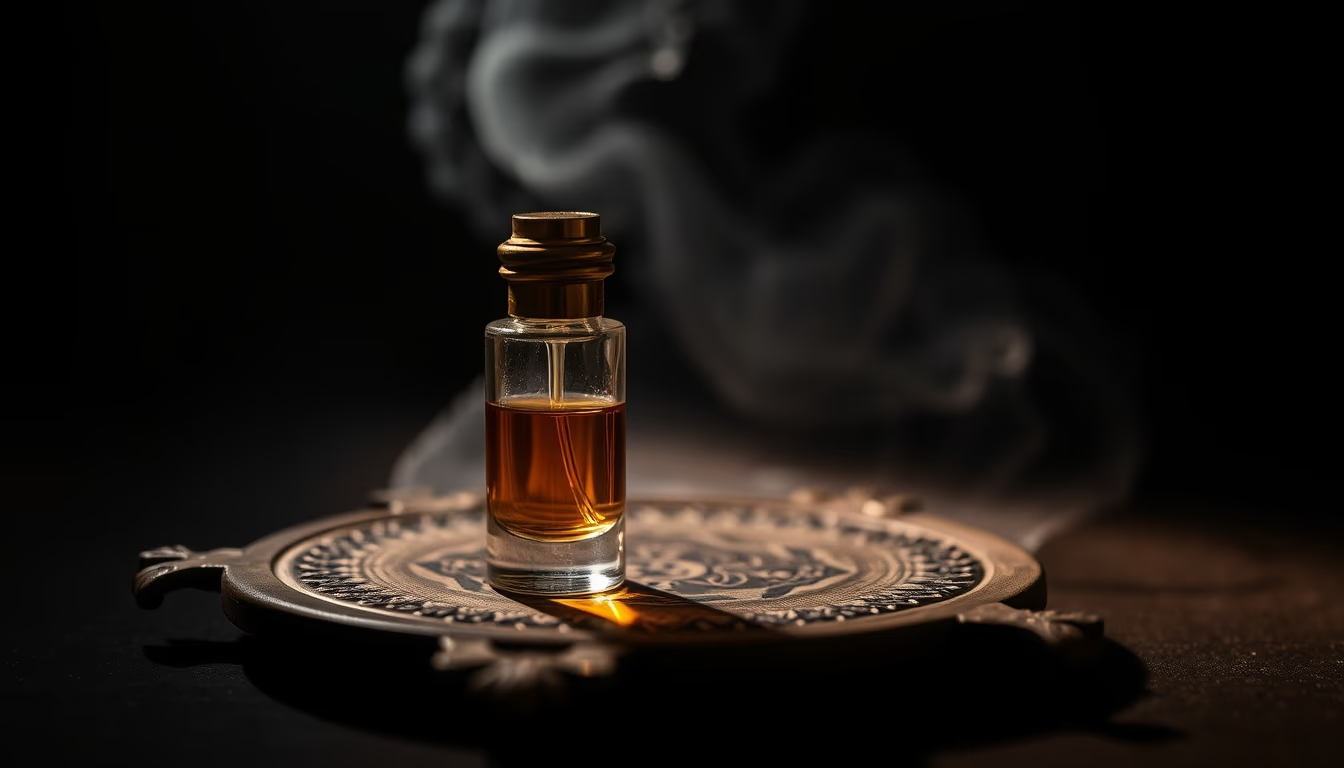
Persian perfume vials blend centuries of artisanal tradition with sophisticated design, serving as functional art pieces that reflect Iran's rich cultural heritage.
About this subject
The tradition of perfume vials in Persia dates back to antiquity, when the Persian Empire dominated trade routes for spices and essences. Early containers were made of clay, alabaster, and glass, often adorned with reliefs inspired by nature and Zoroastrian mythology. During the Safavid period (16th-18th centuries), glassmaking and metalworking reached their peak, resulting in vials with gold inlays and gemstones.
Persian craftsmanship is known for techniques such as hand-blown glass, enamel painting, and metal filigree. Shapes range from small amphorae to elongated drops, often with lids carved as birds or flowers. The influence of Islamic art is evident in geometric and calligraphic patterns, while pre-Islamic elements like lions and suns also appear.
In Persian culture, perfume played a central role in hospitality rituals and religious ceremonies. Offering a perfume vial to a guest was a sign of respect and generosity. Today, these vials are collector's items and status symbols, prized for both aesthetics and history. Contemporary artisans in Isfahan and Shiraz keep these techniques alive, producing pieces exported worldwide.
The global market for authentic Persian perfume vials is niche, with antique pieces fetching high prices at auctions. Modern replicas made from more accessible materials allow enthusiasts to acquire objects inspired by this tradition. Iranian cultural institutions promote the preservation of artisanal knowledge through fairs and workshops for new generations.
Frequently Asked Questions
What is the historical origin of Persian perfume vials?
Persian perfume vials originated in antiquity with the Persian Empire. They were made of clay, alabaster, and glass, decorated with natural and mythological themes. The Safavid period (16th-18th centuries) marked the peak of production, incorporating gold and precious stones.
How are handmade Persian perfume vials crafted?
They use techniques such as hand-blown glass, enamel painting, and metal filigree. Shapes include amphorae and elongated drops, with lids carved as animals or flowers. Decoration blends Islamic and pre-Islamic patterns.
Where can I buy authentic Persian perfume vials?
Authentic pieces are found in antique shops, specialized auctions, and directly from artisans in cities like Isfahan and Shiraz. Modern replicas are available at online craft stores and Iranian cultural fairs.
Direct URL
https://pub-c7d6a6ea828543ac903a74a341ccb2e1.r2.dev/imagens/persian-perfume-vial-commercial-product-photography-fresh0.avifHow to credit
Include a visible link back to UtilizAí. Copy one of the snippets below:
<a href="https://xn--utiliza-eza.com/en/midia/imagens/persian-perfume-vial-commercial-product-photography-fresh0">Persian perfume vial</a> by <a href="https://xn--utiliza-eza.com">UtilizAí</a>, licensed under <a href="https://creativecommons.org/licenses/by/4.0/">CC BY 4.0</a>.
[Persian perfume vial](https://xn--utiliza-eza.com/en/midia/imagens/persian-perfume-vial-commercial-product-photography-fresh0) by [UtilizAí](https://xn--utiliza-eza.com), CC BY 4.0
License: CC-BY-4.0