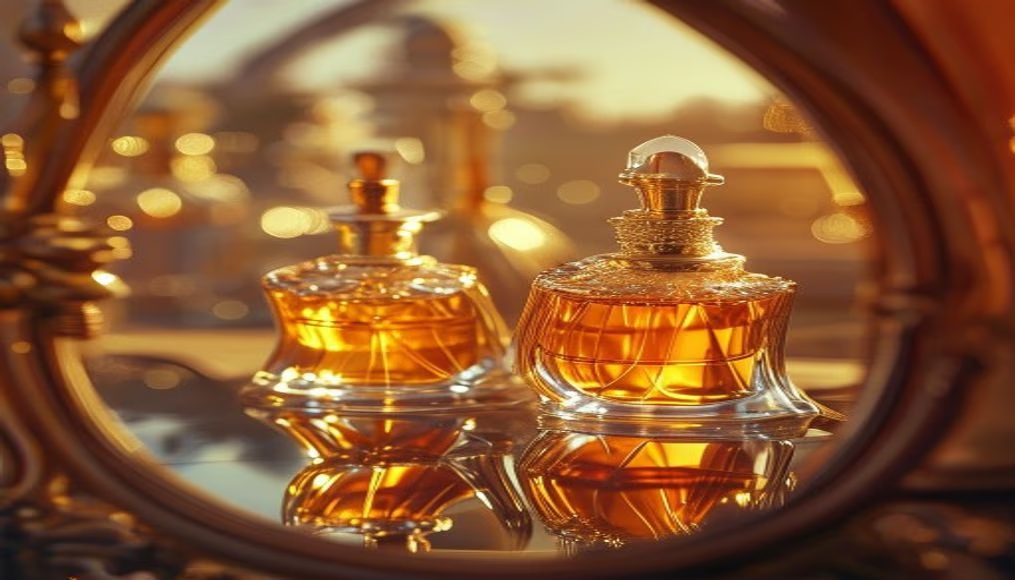
Perfume bottles on mirror
1344×768 · AVIF · CC BY 4.0
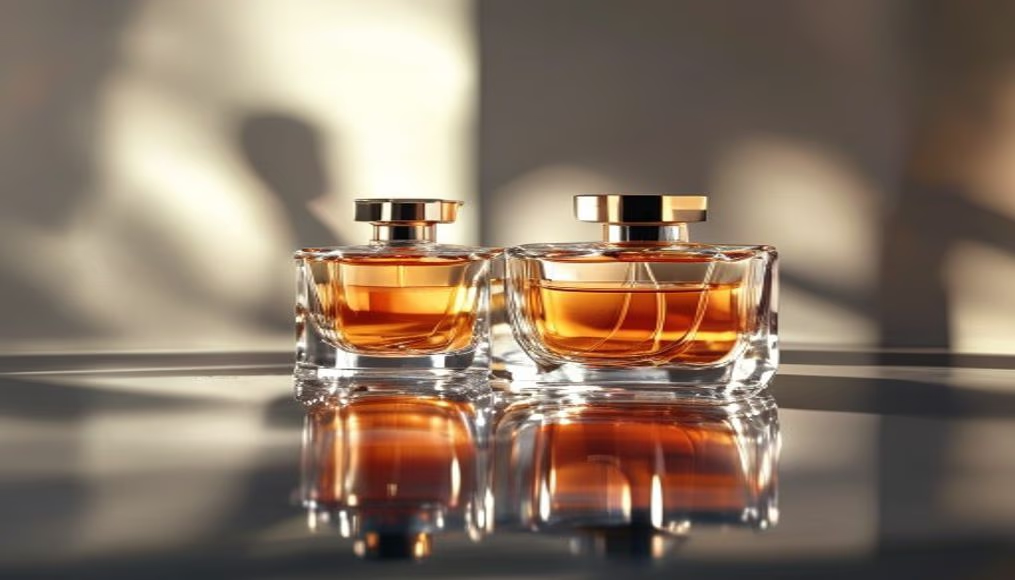
Perfume bottles are design objects that blend functionality and art, reflecting brand identities and historical periods.
About this subject
Perfume bottles are far more than simple containers. They represent the materialization of a fragrance, carefully designed to attract consumers and communicate the brand's essence. From the beginning, glass has been the preferred material for its transparency and ability to protect the content, while also allowing intricate shapes and sophisticated details. The history of perfume bottles dates back to antiquity in Egypt and Mesopotamia, where ointments were stored in alabaster or ceramic vessels. With the advancement of glassblowing techniques in the Roman Empire, more delicate and ornate containers emerged.
In the 20th century, bottle design became an art in itself. Brands like Chanel, with its iconic square minimalist bottle for Chanel No. 5 (launched in 1921), revolutionized the industry. Other notable examples include the apple-shaped bottle of Nina Ricci's L'Air du Temps and the silhouette of a dress by Jean Paul Gaultier. Every detail, from shape to cap type (spray or rollerball), is studied to create a complete sensory experience.
Today, bottle production involves advanced techniques such as blow molding, laser engraving, and the application of precious metals. Besides glass, materials like acrylic and ceramic are used for limited editions. Recycling and sustainability are also gaining ground, with brands developing refillable bottles and using recycled glass.
Interestingly, some bottles become as famous as the fragrances themselves, being collected and displayed in museums. The Baccarat bottle for the Crystal fragrance by Lalique is an example of extreme luxury, made of cut crystal. Therefore, bottle design is a field where creativity meets functionality, directly influencing the perceived value of a perfume.
Frequently Asked Questions
What is the origin of perfume bottles?
The earliest perfume bottles appeared in Ancient Egypt and Mesopotamia, where ointments and scented oils were stored in alabaster, ceramic, or glass vessels. With the development of glassblowing by the Romans, bottles became more sophisticated.
Why are perfume bottles so important to the industry?
Bottles are the consumer's first visual contact with the fragrance and communicate the brand's identity. An iconic design can become a status symbol and influence purchase decisions, while also protecting the perfume's quality.
What are some of the most iconic perfume bottles?
The Chanel No. 5 bottle, with its simple rectangular design, is one of the most recognized. Others include the apple-shaped bottle of L'Air du Temps (Nina Ricci) and the female torso bottle of Jean Paul Gaultier. Baccarat crystal is also used for luxury editions.
Direct URL
https://pub-c7d6a6ea828543ac903a74a341ccb2e1.r2.dev/imagens/perfume-bottles-on-mirror-commercial-product-photography-v9.avifHow to credit
Include a visible link back to UtilizAí. Copy one of the snippets below:
<a href="https://xn--utiliza-eza.com/en/midia/imagens/perfume-bottles-on-mirror-commercial-product-photography-v9">Perfume bottles on mirror</a> by <a href="https://xn--utiliza-eza.com">UtilizAí</a>, licensed under <a href="https://creativecommons.org/licenses/by/4.0/">CC BY 4.0</a>.
[Perfume bottles on mirror](https://xn--utiliza-eza.com/en/midia/imagens/perfume-bottles-on-mirror-commercial-product-photography-v9) by [UtilizAí](https://xn--utiliza-eza.com), CC BY 4.0
License: CC-BY-4.0