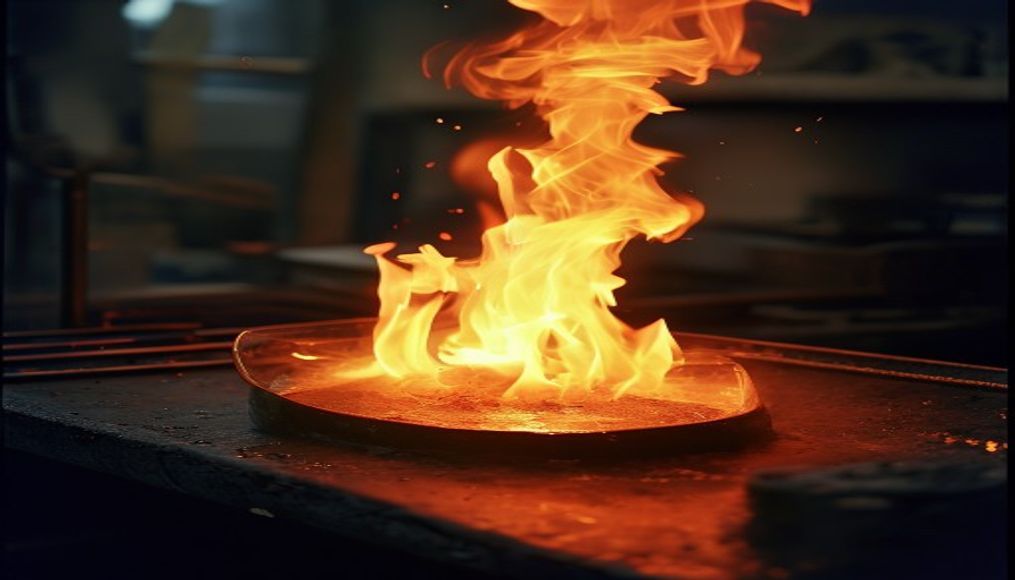
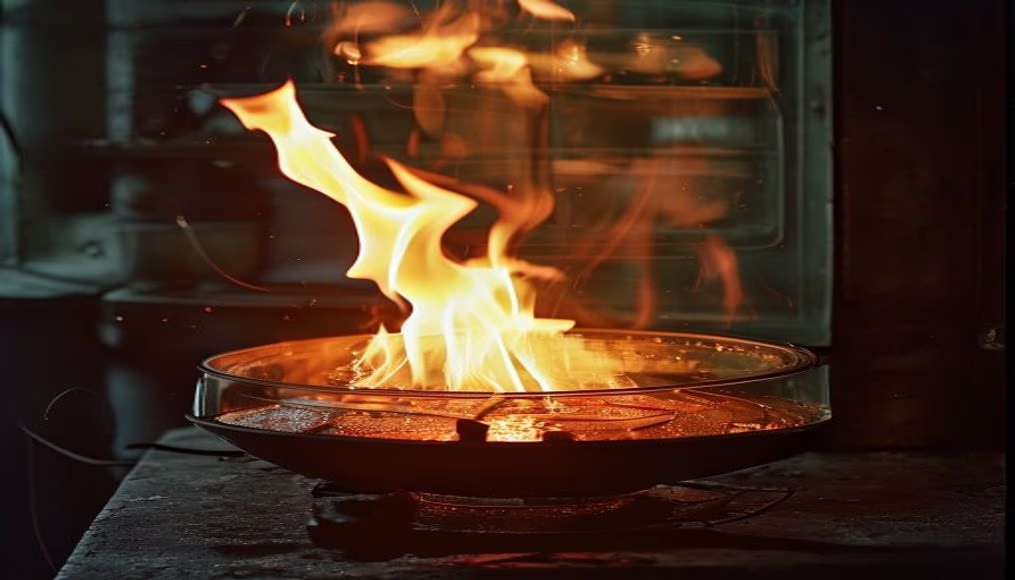
Pcr machine running cycle
1344×768 · AVIF · CC BY 4.0
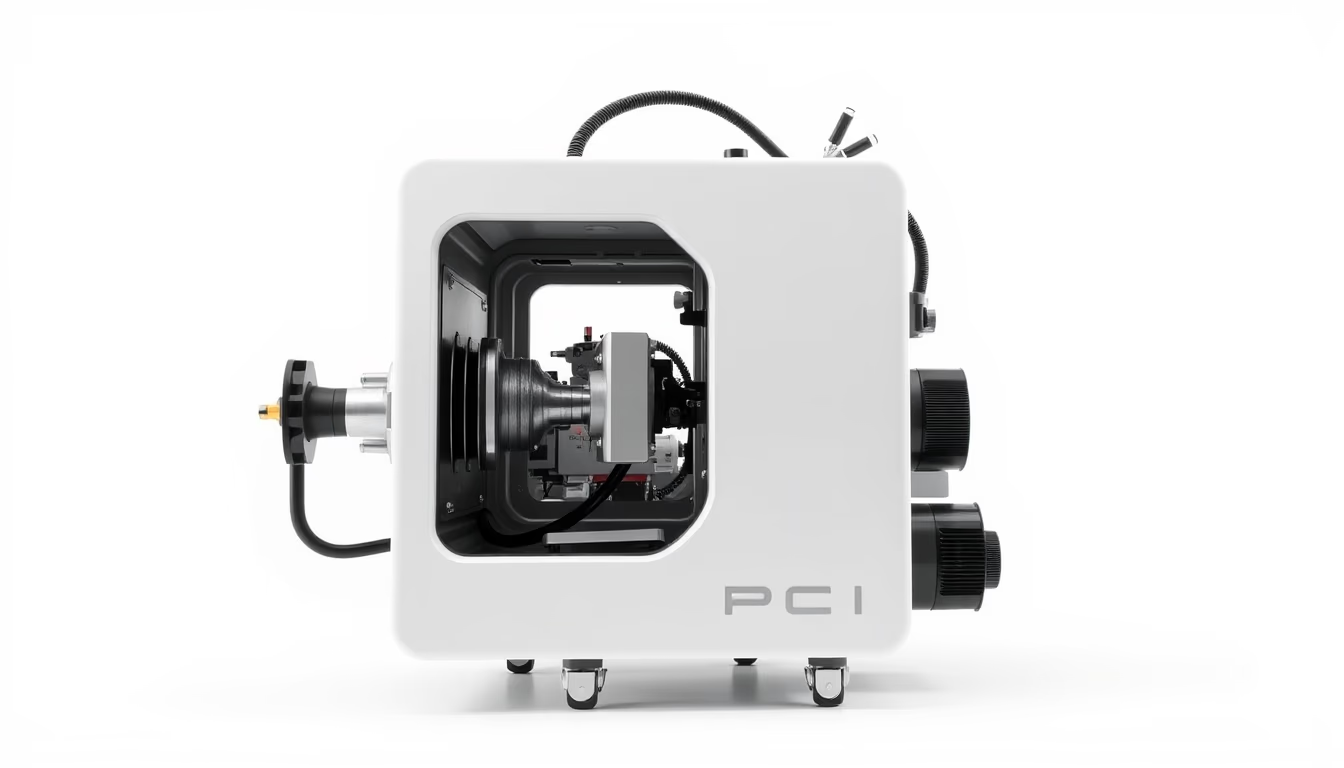
The PCR machine performs thermal cycles to amplify DNA, a revolutionary molecular biology technique invented by Kary Mullis in 1983.
About this subject
Polymerase Chain Reaction (PCR) is a fundamental molecular biology technique that amplifies a specific DNA sequence millions of times. Developed by biochemist Kary Mullis in 1983, PCR earned him the Nobel Prize in Chemistry in 1993. The PCR machine, also known as a thermocycler, automates the temperature cycles required for DNA denaturation, annealing, and extension. Each cycle doubles the amount of target DNA, enabling microscopic fragments to be detected and analyzed.
During the COVID-19 pandemic, thermocyclers became essential equipment in diagnostic laboratories, forming the basis of RT-PCR tests (reverse transcription followed by PCR). These tests detect the RNA of SARS-CoV-2 with high sensitivity and specificity, considered the gold standard for diagnosing the disease. Additionally, PCR is used in paternity testing, forensic identification, gene cloning, and DNA sequencing.
Typical thermal cycles of a thermocycler include three main steps: denaturation at approximately 95°C, which separates DNA strands; annealing between 50°C and 65°C, where primers bind to target sequences; and extension at 72°C, where DNA polymerase synthesizes new strands. A common PCR experiment runs 25 to 40 cycles, taking 1 to 2 hours to complete. Modern machines can process multiple samples simultaneously in 96-well plates.
The precision and reliability of PCR depend on several factors, such as primer design, quality of thermostable polymerase (like Taq polymerase, isolated from Thermus aquaticus), and thermocycler calibration. Recent advances include real-time PCR (qPCR), which quantifies DNA during the cycle, and digital PCR, which allows absolute molecule counting. These variations have expanded the technique's applications to areas like genetic disease diagnosis and therapy monitoring.
Frequently Asked Questions
What is a thermocycler and what is it used for?
A thermocycler, or PCR machine, is a laboratory instrument that automatically controls temperature to perform the polymerase chain reaction. It is used to amplify DNA for genetic analysis, disease diagnosis, and molecular research.
How many cycles does a typical PCR run?
A typical PCR runs between 25 and 40 cycles. Each cycle involves denaturation, annealing, and extension, doubling the target DNA quantity. After 30 cycles, over 1 billion copies of the original sequence can be obtained.
What is the difference between conventional PCR and real-time PCR (qPCR)?
Conventional PCR detects the final product, often via gel electrophoresis. Real-time PCR (qPCR) monitors amplification in real time using fluorescence, allowing precise quantification of the initial DNA and eliminating post-PCR analysis.
Direct URL
https://pub-c7d6a6ea828543ac903a74a341ccb2e1.r2.dev/imagens/pcr-machine-running-cycle-commercial-product-photography-p10.avifHow to credit
Include a visible link back to UtilizAí. Copy one of the snippets below:
<a href="https://xn--utiliza-eza.com/en/midia/imagens/pcr-machine-running-cycle-commercial-product-photography-p10">Pcr machine running cycle</a> by <a href="https://xn--utiliza-eza.com">UtilizAí</a>, licensed under <a href="https://creativecommons.org/licenses/by/4.0/">CC BY 4.0</a>.
[Pcr machine running cycle](https://xn--utiliza-eza.com/en/midia/imagens/pcr-machine-running-cycle-commercial-product-photography-p10) by [UtilizAí](https://xn--utiliza-eza.com), CC BY 4.0
License: CC-BY-4.0