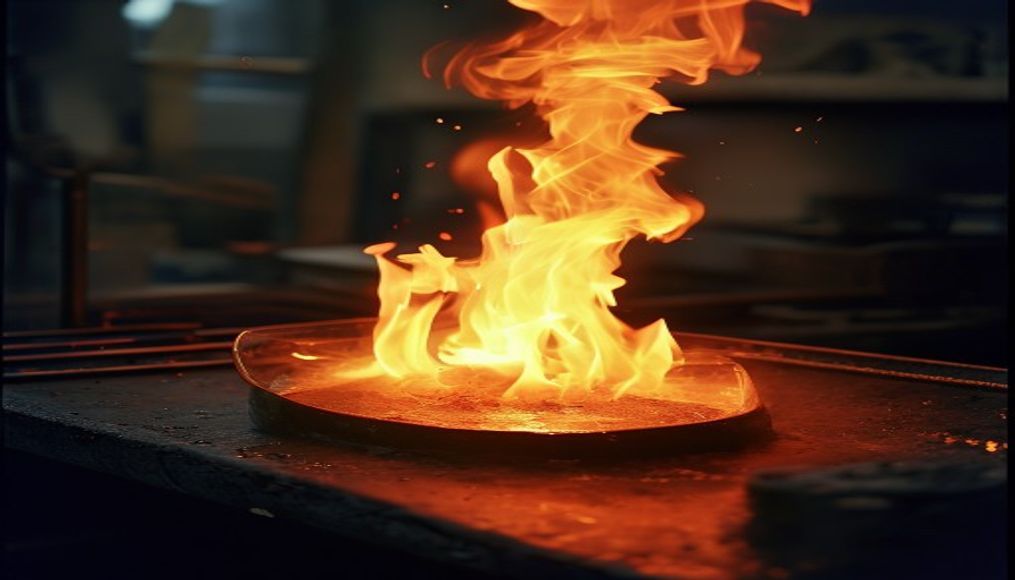
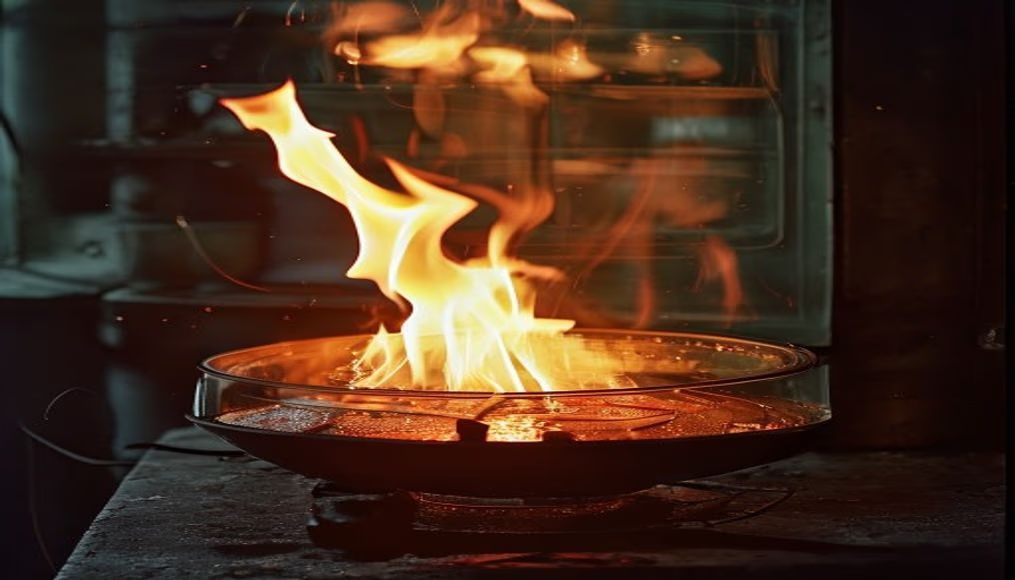
Pcr machine running cycle
1344×768 · AVIF · CC BY 4.0

PCR machine running a thermal cycle, essential equipment for amplifying DNA in molecular biology laboratories.
About this subject
The Polymerase Chain Reaction (PCR) is a revolutionary technique developed by Kary Mullis in 1983, enabling the amplification of millions of copies of a specific DNA sequence from a minimal sample. The PCR machine, also called a thermal cycler, performs repeated cycles of three main steps: denaturation (heating to about 94-98°C to separate DNA strands), annealing (cooling to 50-65°C for primers to bind to target DNA), and extension (heating to 72°C for DNA polymerase to synthesize new strands). Each cycle doubles the DNA amount, resulting in exponential amplification after 20-40 cycles.
Modern thermal cyclers feature precise heating blocks, typically with 96 wells, allowing simultaneous processing of multiple samples. Advanced models include optical systems for real-time PCR (qPCR), monitoring amplification each cycle using fluorescent dyes. This technology is crucial for clinical diagnostics, such as SARS-CoV-2 detection, genetic research, paternity testing, and forensic analysis. PCR's precision and speed transformed molecular biology, reducing the time to obtain sufficient genetic material from days to hours.
Temperature control is the heart of the process: variations of 1°C can compromise reaction specificity. Therefore, machines use Peltier effect devices for rapid heating and cooling. Mullis's invention earned the Nobel Prize in Chemistry in 1993 and made PCR a ubiquitous tool. The image captures a thermal cycler in operation, with indicator lights and a display showing the current cycle, representing the controlled environment of a biotechnology laboratory.
Frequently Asked Questions
What does PCR stand for?
PCR stands for Polymerase Chain Reaction, a technique to amplify DNA sequences.
How long does a PCR cycle take?
A single PCR cycle takes 1 to 3 minutes. A typical run of 30-40 cycles lasts 1 to 3 hours.
What are the steps of PCR?
The three main steps are denaturation (94-98°C), annealing (50-65°C), and extension (72°C). Some protocols include an initial denaturation and a final extension.
Direct URL
https://pub-c7d6a6ea828543ac903a74a341ccb2e1.r2.dev/imagens/pcr-machine-running-cycle-cinematic-wide-shot-p3.avifHow to credit
Include a visible link back to UtilizAí. Copy one of the snippets below:
<a href="https://xn--utiliza-eza.com/en/midia/imagens/pcr-machine-running-cycle-cinematic-wide-shot-p3">Pcr machine running cycle</a> by <a href="https://xn--utiliza-eza.com">UtilizAí</a>, licensed under <a href="https://creativecommons.org/licenses/by/4.0/">CC BY 4.0</a>.
[Pcr machine running cycle](https://xn--utiliza-eza.com/en/midia/imagens/pcr-machine-running-cycle-cinematic-wide-shot-p3) by [UtilizAí](https://xn--utiliza-eza.com), CC BY 4.0
License: CC-BY-4.0