Parthenon marbles
1344×768 · AVIF · CC BY 4.0
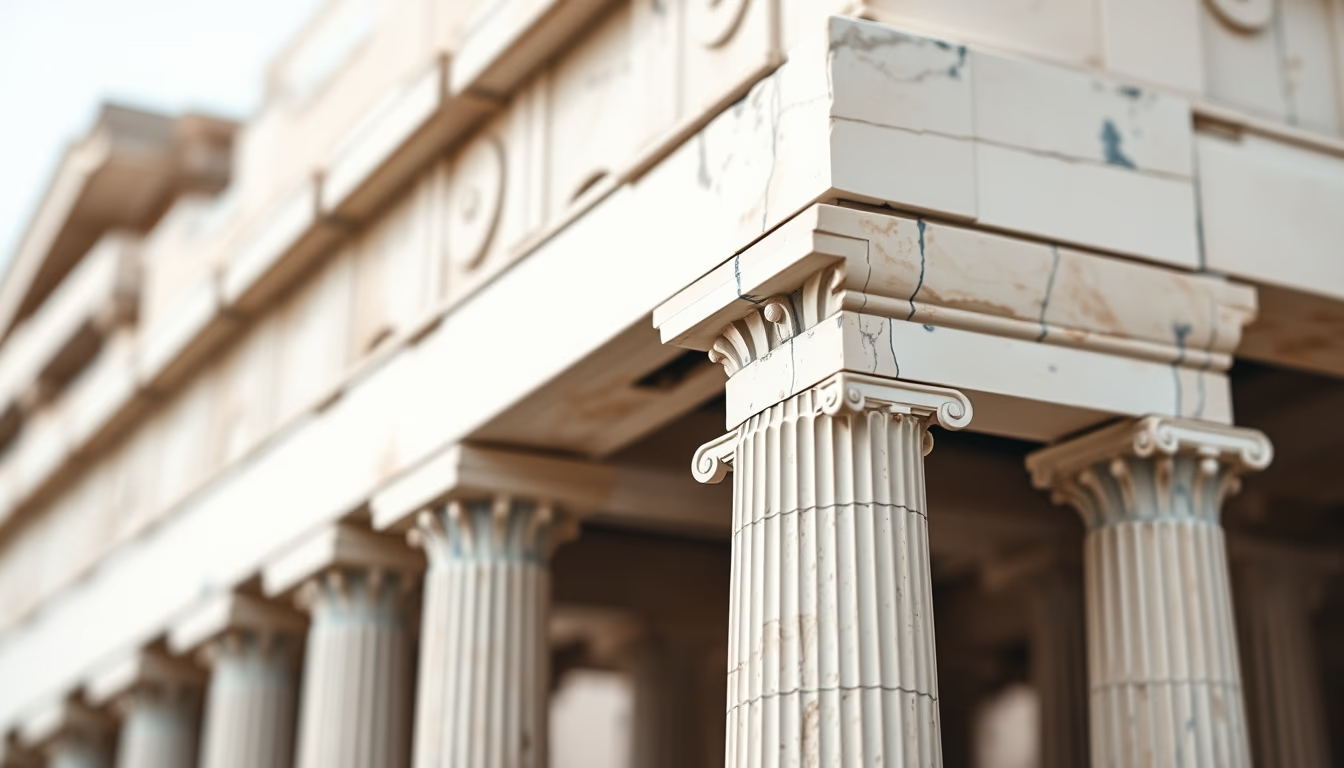
The Parthenon Marbles, a set of classical Greek sculptures from the 5th century BC, are at the center of an international repatriation debate.
About this subject
The Parthenon Marbles are a collection of marble sculptures that originally adorned the Parthenon, the temple dedicated to the goddess Athena on the Acropolis of Athens. Created between 447 and 438 BC under the supervision of the sculptor Phidias, they include a 160-meter frieze, 92 metopes, and two pediments. The pieces depict mythological scenes such as the Gigantomachy and the Panathenaic procession, along with divine figures.
In the early 19th century, Lord Elgin, British ambassador to the Ottoman Empire, removed about half of the surviving sculptures under a controversial permit from Ottoman authorities. Since 1816, they have been housed in the British Museum in London, where they are a major attraction. Greece claims the marbles were looted and demands their return, while the United Kingdom argues they were acquired legally and that the museum preserves them for a global audience.
The debate over the Parthenon Marbles is one of the most emblematic cases of repatriation of cultural property. UNESCO has mediated discussions, but so far no agreement has been reached. In 2023, the Greek government intensified negotiations, and the British Museum signaled willingness for a loan, but not for permanent return. The controversy raises questions about cultural ownership, colonialism, and the role of major international museums.
Frequently Asked Questions
What are the Parthenon Marbles?
They are marble sculptures that adorned the Parthenon in Athens, including friezes, metopes, and pediments, created in the 5th century BC by Phidias and his team.
Why are the Parthenon Marbles in the British Museum?
Lord Elgin removed them with an Ottoman permit in 1801-1805 and sold them to the British government in 1816, which placed them in the British Museum.
What is Greece's position on the marbles?
Greece considers the marbles looted and demands their permanent return to the Acropolis Museum in Athens, as part of Greek cultural heritage.
Direct URL
https://pub-c7d6a6ea828543ac903a74a341ccb2e1.r2.dev/imagens/parthenon-marbles-macro-closeup-p4.avifHow to credit
Include a visible link back to UtilizAí. Copy one of the snippets below:
<a href="https://xn--utiliza-eza.com/en/midia/imagens/parthenon-marbles-macro-closeup-p4">Parthenon marbles</a> by <a href="https://xn--utiliza-eza.com">UtilizAí</a>, licensed under <a href="https://creativecommons.org/licenses/by/4.0/">CC BY 4.0</a>.
[Parthenon marbles](https://xn--utiliza-eza.com/en/midia/imagens/parthenon-marbles-macro-closeup-p4) by [UtilizAí](https://xn--utiliza-eza.com), CC BY 4.0
License: CC-BY-4.0