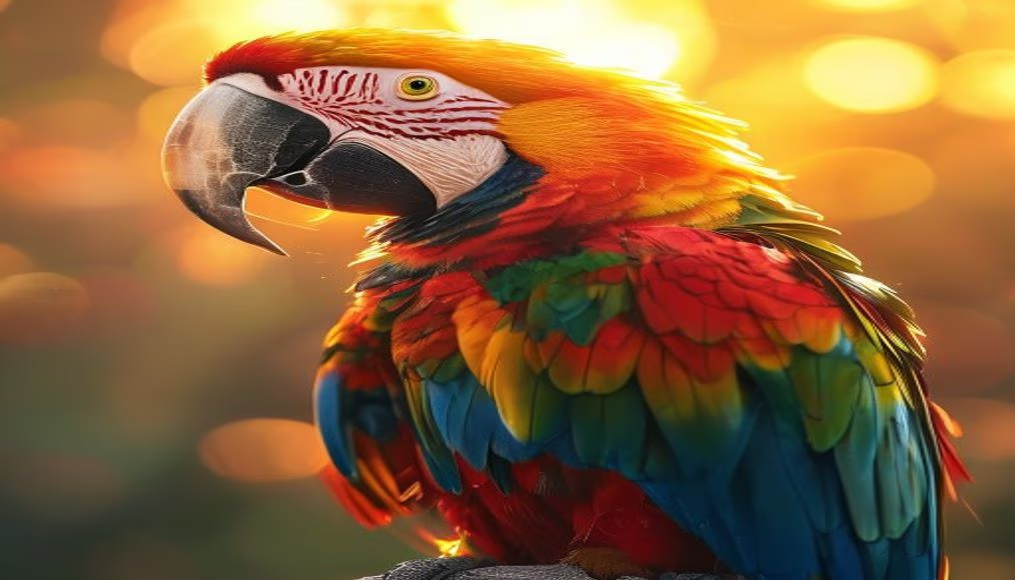
Parrot colorful feathers
1344×768 · AVIF · CC BY 4.0
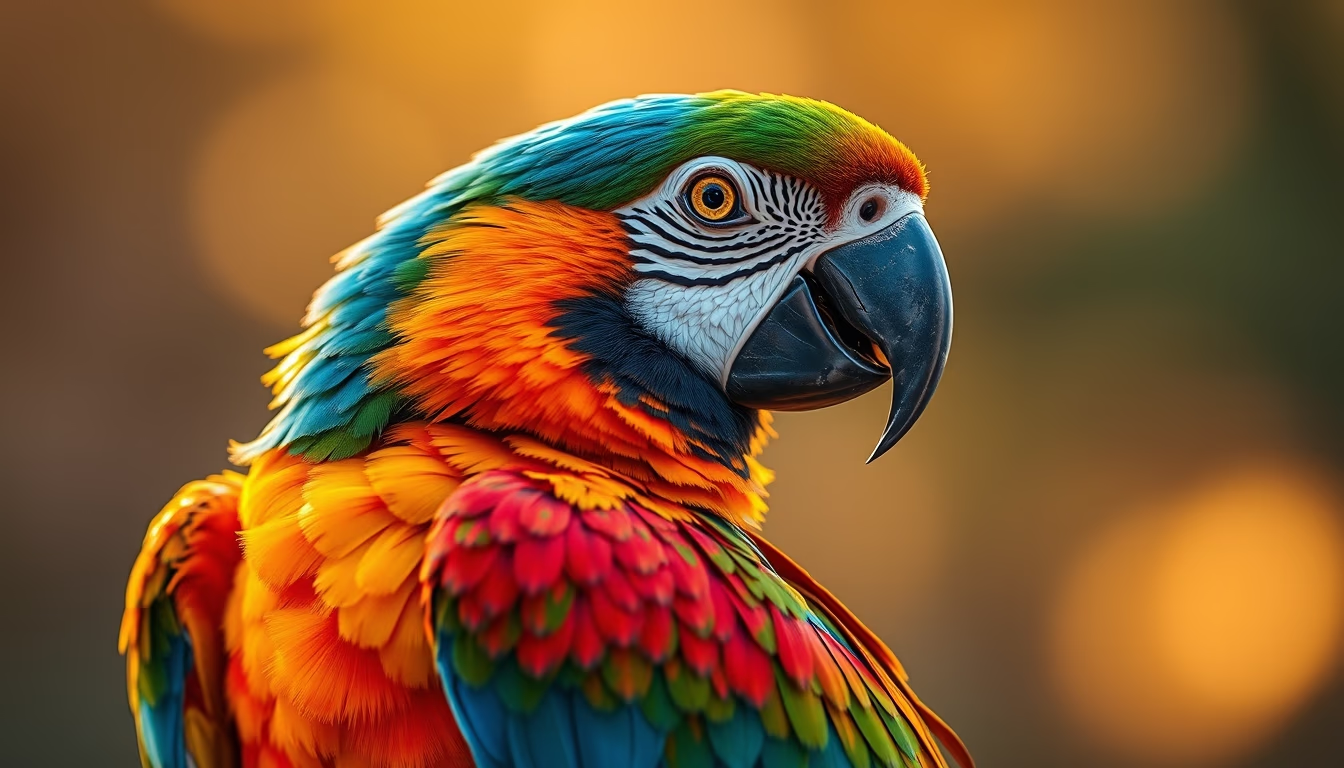
Parrots display colorful feathers ranging from vibrant green to blue, yellow, and red, resulting from pigments and microscopic structures that reflect light.
About this subject
The colorful feathers of parrots are a natural marvel, resulting from a combination of natural pigments and physical structures that interact with light. In addition to melanins that produce dark tones, parrots possess psittacofulvins, unique pigments that generate red, yellow, and orange colors. Blue and green colors are produced by nanoscopic structures in the feathers that selectively scatter light, a phenomenon called structural coloration. This combination makes parrot plumage exceptionally bright and durable.
These colors play crucial roles in the lives of parrots. They serve as camouflage in tropical forests, where green blends with foliage, and also for visual communication among individuals of the same species. In macaws and parakeets, vibrant colors help attract mates and establish social hierarchies. Studies show that parrots with more colorful plumage tend to have higher reproductive success, indicating that coloration is a sign of health and good nutrition.
The geographic distribution of colorful parrots is broad, spanning Central and South America, Africa, Asia, and Australia. In Brazil, the hyacinth macaw (Anodorhynchus hyacinthinus) and the blue-and-yellow macaw (Ara ararauna) are iconic examples. Unfortunately, many species are threatened by wildlife trafficking and habitat destruction. The beauty of their feathers attracts poachers, making conservation of these birds a global challenge.
Frequently Asked Questions
Why do parrots have such colorful feathers?
The vibrant colors come from unique pigments (psittacofulvins) and microscopic structures in the feathers that reflect light. These colors help with camouflage, communication, and attracting mates.
What are the most colorful parrots in Brazil?
The hyacinth macaw (Anodorhynchus hyacinthinus) and the blue-and-yellow macaw (Ara ararauna) are examples of Brazilian parrots with extremely colorful plumage.
Does wildlife trafficking affect colorful parrots?
Yes, illegal trafficking is a major threat, as colorful feathers are highly valued on the black market, leading to overcapture and population decline.
Direct URL
https://pub-c7d6a6ea828543ac903a74a341ccb2e1.r2.dev/imagens/parrot-colorful-feathers-cinematic-wide-shot-v2.avifHow to credit
Include a visible link back to UtilizAí. Copy one of the snippets below:
<a href="https://xn--utiliza-eza.com/en/midia/imagens/parrot-colorful-feathers-cinematic-wide-shot-v2">Parrot colorful feathers</a> by <a href="https://xn--utiliza-eza.com">UtilizAí</a>, licensed under <a href="https://creativecommons.org/licenses/by/4.0/">CC BY 4.0</a>.
[Parrot colorful feathers](https://xn--utiliza-eza.com/en/midia/imagens/parrot-colorful-feathers-cinematic-wide-shot-v2) by [UtilizAí](https://xn--utiliza-eza.com), CC BY 4.0
License: CC-BY-4.0