Park bench solar panels
1344×768 · AVIF · CC BY 4.0
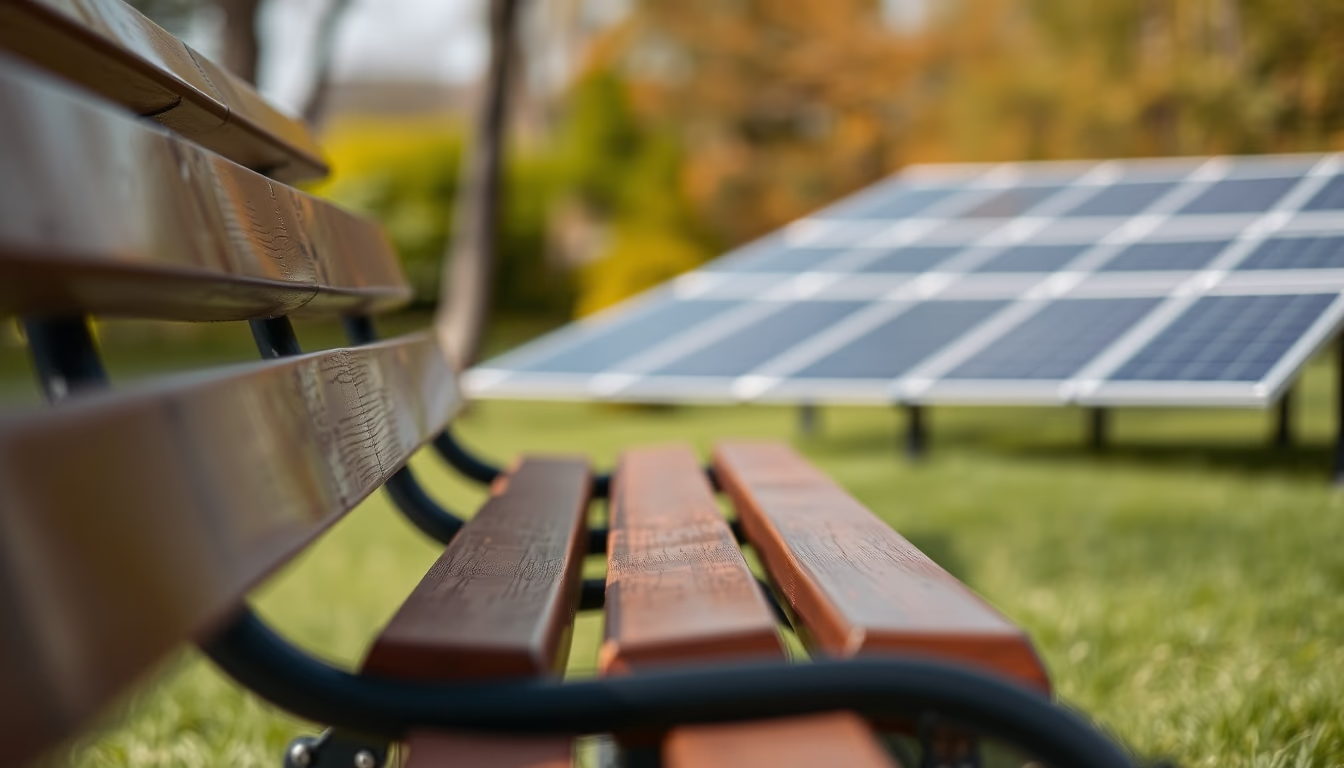
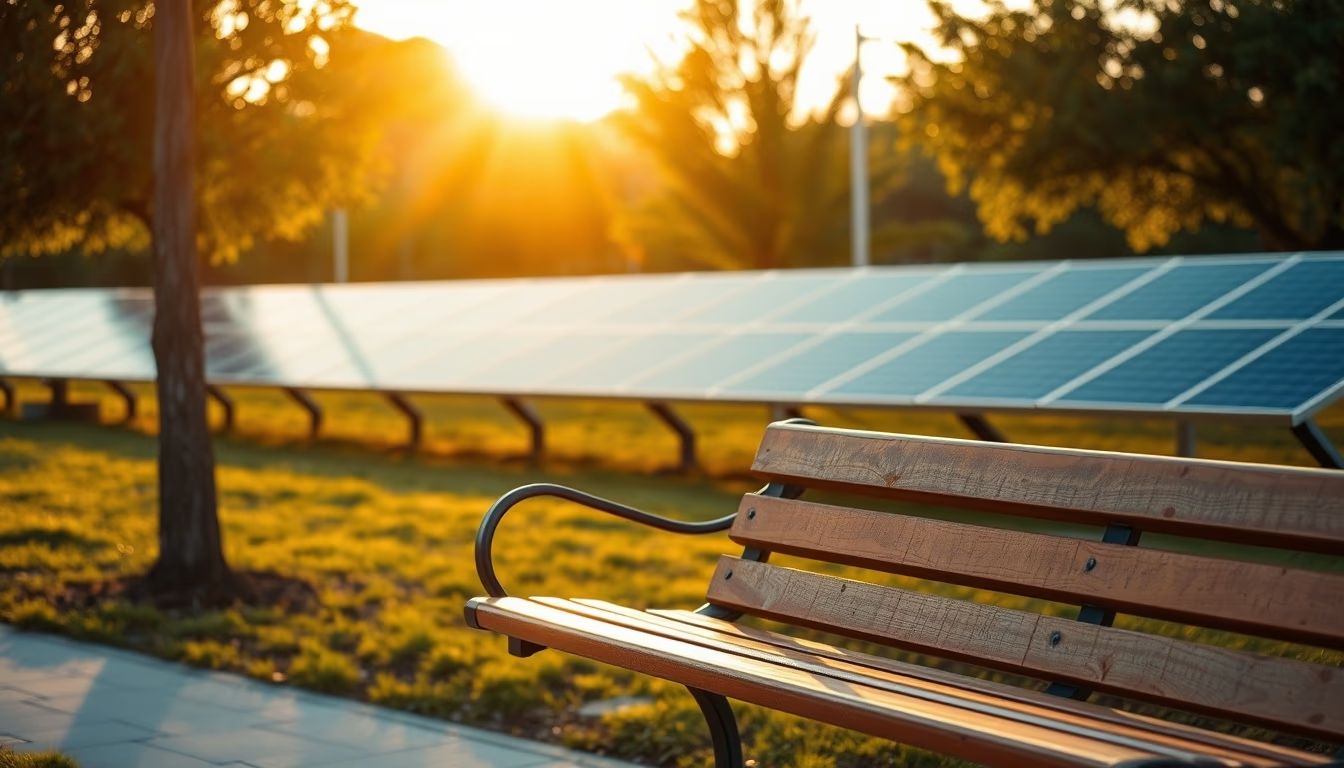
Park benches with solar panels integrate renewable energy into urban furniture, enabling mobile device charging.
About this subject
Solar-powered park benches are examples of smart urban furniture that combine sustainability and functionality. Equipped with photovoltaic panels on the seat surface or backrest, they capture sunlight during the day and store energy in internal batteries. At night or on cloudy days, the stored energy powers integrated LED lights and USB ports for charging cell phones and other electronic devices. These benches are often installed in parks, squares, universities, and urban centers looking to promote clean energy and connectivity.
The technology behind solar benches is relatively simple: polycrystalline or monocrystalline silicon panels convert sunlight into electricity, which is regulated by a charge controller and sent to a deep-cycle lithium battery. The USB ports operate at low voltage, ensuring user safety. Some models include motion sensors to optimize lighting usage, increasing energy efficiency.
Cities such as Curitiba, São Paulo, and Brasília have already tested or are implementing solar benches in high-traffic areas. Globally, examples include benches from the German company Strawberry Energy or the U.S.-based Soofa, which also provide environmental and usage data via IoT. Despite the higher initial cost compared to conventional benches, reduced demand on the electrical grid and green marketing appeal justify the investment for many municipalities.
A typical solar bench can generate between 5 and 20 watts of continuous power, enough to charge dozens of smartphones per day. Furthermore, the internal battery allows the bench to work even on days without direct sunlight, for up to three days. These pieces of furniture also contribute to environmental education by making solar energy visible and accessible in people's daily lives.
Frequently Asked Questions
How does a solar park bench work?
The bench has photovoltaic panels that convert sunlight into electricity, stored in an internal battery. This energy powers USB ports and LED lights, allowing mobile device charging and local illumination.
Where can I find solar benches in Brazil?
They are being installed in parks, squares, and university campuses in cities like Curitiba, São Paulo, Brasília, and Rio de Janeiro, usually in smart city pilot projects.
Do solar benches work at night or on cloudy days?
Yes, the internal battery stores enough energy to power lights and USB ports for up to three days without direct sunlight. Charging is slower on cloudy days, but the system remains functional.
Direct URL
https://pub-c7d6a6ea828543ac903a74a341ccb2e1.r2.dev/imagens/park-bench-solar-panels-macro-closeup-p0.avifHow to credit
Include a visible link back to UtilizAí. Copy one of the snippets below:
<a href="https://xn--utiliza-eza.com/en/midia/imagens/park-bench-solar-panels-macro-closeup-p0">Park bench solar panels</a> by <a href="https://xn--utiliza-eza.com">UtilizAí</a>, licensed under <a href="https://creativecommons.org/licenses/by/4.0/">CC BY 4.0</a>.
[Park bench solar panels](https://xn--utiliza-eza.com/en/midia/imagens/park-bench-solar-panels-macro-closeup-p0) by [UtilizAí](https://xn--utiliza-eza.com), CC BY 4.0
License: CC-BY-4.0