Paramotor flight
1344×768 · AVIF · CC BY 4.0
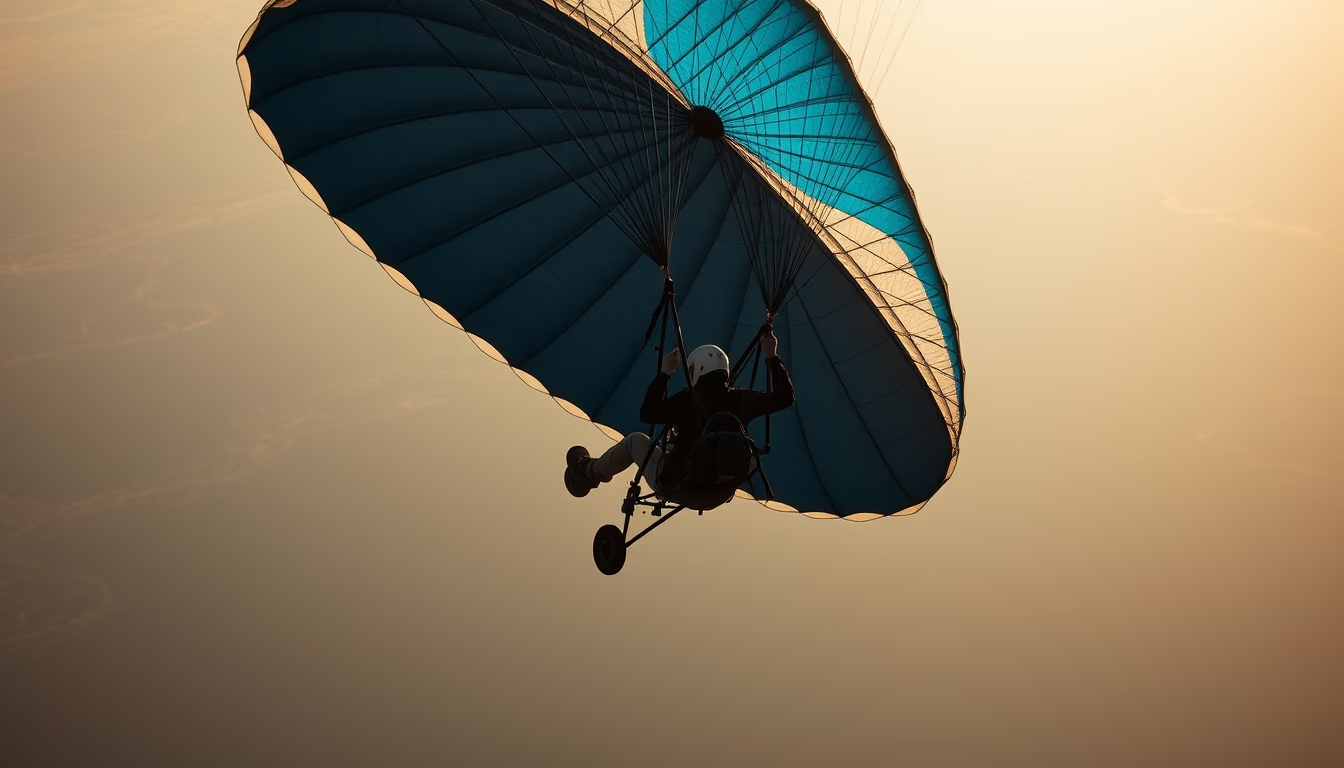
Paramotoring combines a paraglider with a propeller motor, enabling accessible and free flight worldwide.
About this subject
Paramotoring, also known as motorized paragliding or PPG (Powered Paragliding), is a form of ultralight aviation that combines a paraglider wing with a small engine and propeller. Unlike traditional paragliding, which relies on rising air currents, paramotoring allows pilots to take off from level ground and fly for extended periods regardless of thermal activity. The equipment typically includes a two-stroke engine mounted on a harness frame, a propeller protected by a cage, and a specially designed paraglider.
This sport is regulated by civil aviation authorities in most countries, requiring pilot certification and thorough training. Direction and speed are controlled via hand brakes and a throttle, with common altitudes for recreational flights ranging from 100 to 500 meters (though higher altitudes are possible). Average cruising speed is around 30, 50 km/h, offering a serene and cinematic view of the landscape below.
Paramotoring has gained global popularity due to its relatively low cost: new equipment starts at approximately USD $10,000, and fuel consumption is modest (about 3, 4 liters per hour). Training programs typically last 5, 10 days. Popular flying locations include flat coastal areas, open fields, and large parks. Competitive events, such as the World Paramotor Championships (Fórmula Paragliding), showcase advancements in wing design and pilot skill.
Safety remains paramount: pilots must use emergency parachutes, receive instruction on weather patterns, and perform pre-flight checks. While inherent risks exist, the accident rate is low when protocols are followed. The unparalleled sense of freedom and immersion makes paramotoring a dream activity for aviation enthusiasts worldwide.
Frequently Asked Questions
What is the difference between paramotoring and paragliding?
Paramotoring uses a motor and propeller, allowing takeoff from flat ground and flight without thermal lift. Paragliding relies solely on rising air currents and requires hills or towing for launch.
Do you need a license to fly a paramotor in the United States?
No license is required, but the FAA recommends training and equipment certification. Pilots must follow Part 103 ultralight regulations, which allow unlicensed flight under certain conditions.
How much does a new paramotor cost?
A new paramotor setup typically costs between $8,000 and $15,000 USD. Used equipment can be found for $4,000, $8,000, but a thorough inspection by a certified mechanic is advised.
Direct URL
https://pub-c7d6a6ea828543ac903a74a341ccb2e1.r2.dev/imagens/paramotor-flight-rembrandt-lighting-dramatic-shadows-fresh6.avifHow to credit
Include a visible link back to UtilizAí. Copy one of the snippets below:
<a href="https://xn--utiliza-eza.com/en/midia/imagens/paramotor-flight-rembrandt-lighting-dramatic-shadows-fresh6">Paramotor flight</a> by <a href="https://xn--utiliza-eza.com">UtilizAí</a>, licensed under <a href="https://creativecommons.org/licenses/by/4.0/">CC BY 4.0</a>.
[Paramotor flight](https://xn--utiliza-eza.com/en/midia/imagens/paramotor-flight-rembrandt-lighting-dramatic-shadows-fresh6) by [UtilizAí](https://xn--utiliza-eza.com), CC BY 4.0
License: CC-BY-4.0