Paramotor flight
1344×768 · AVIF · CC BY 4.0
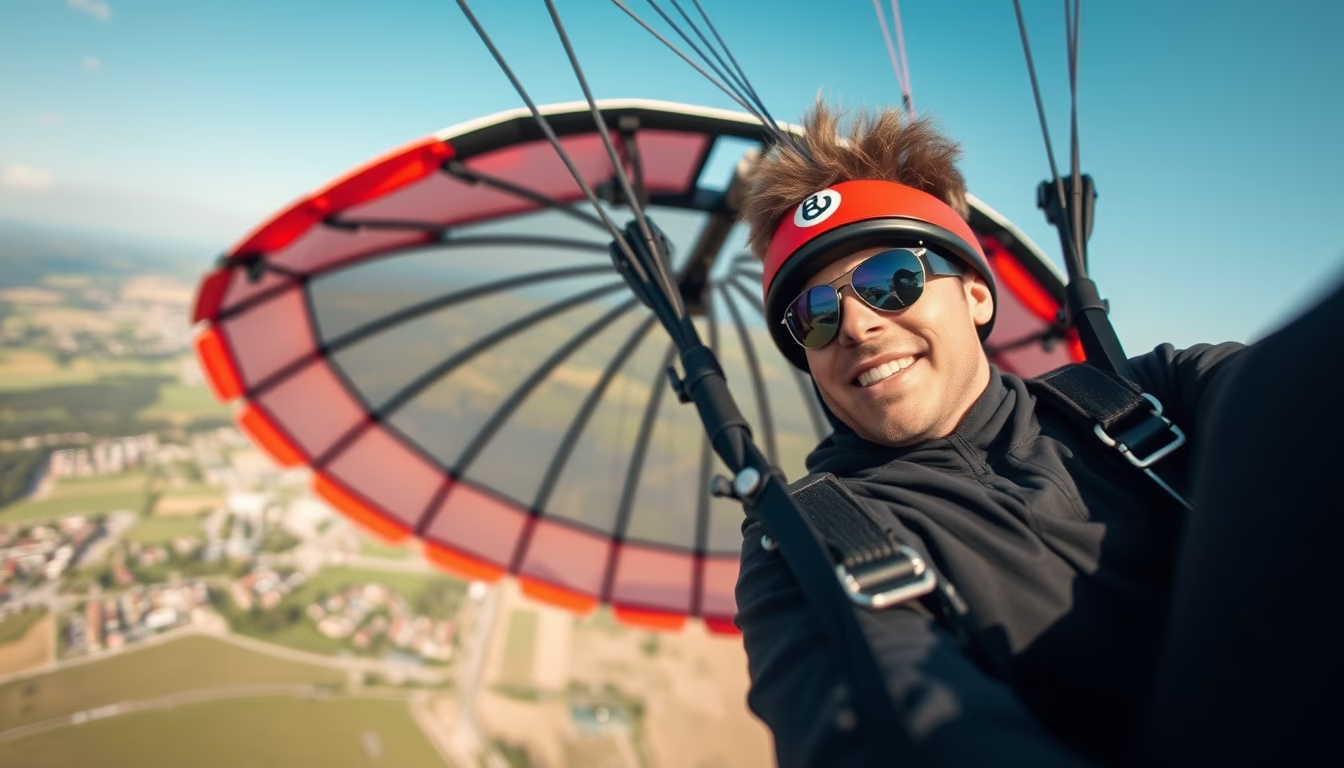
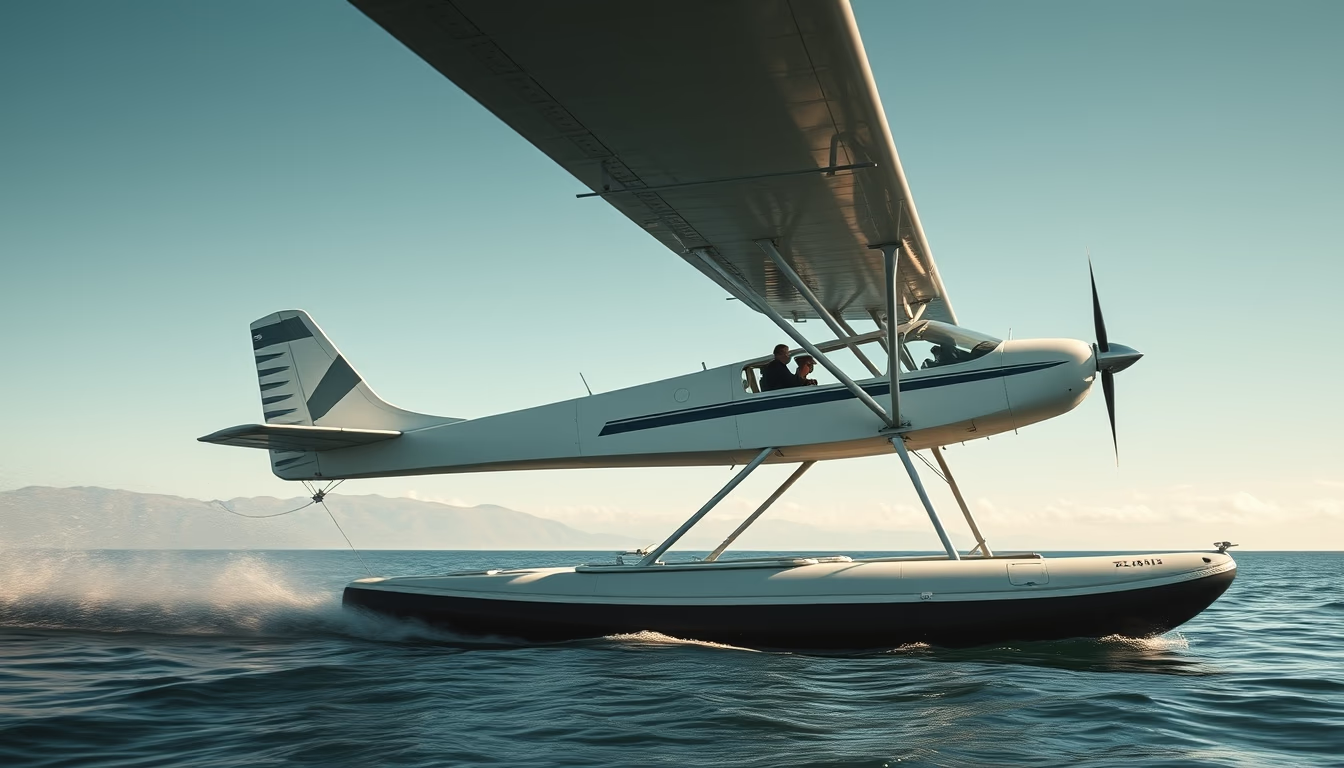
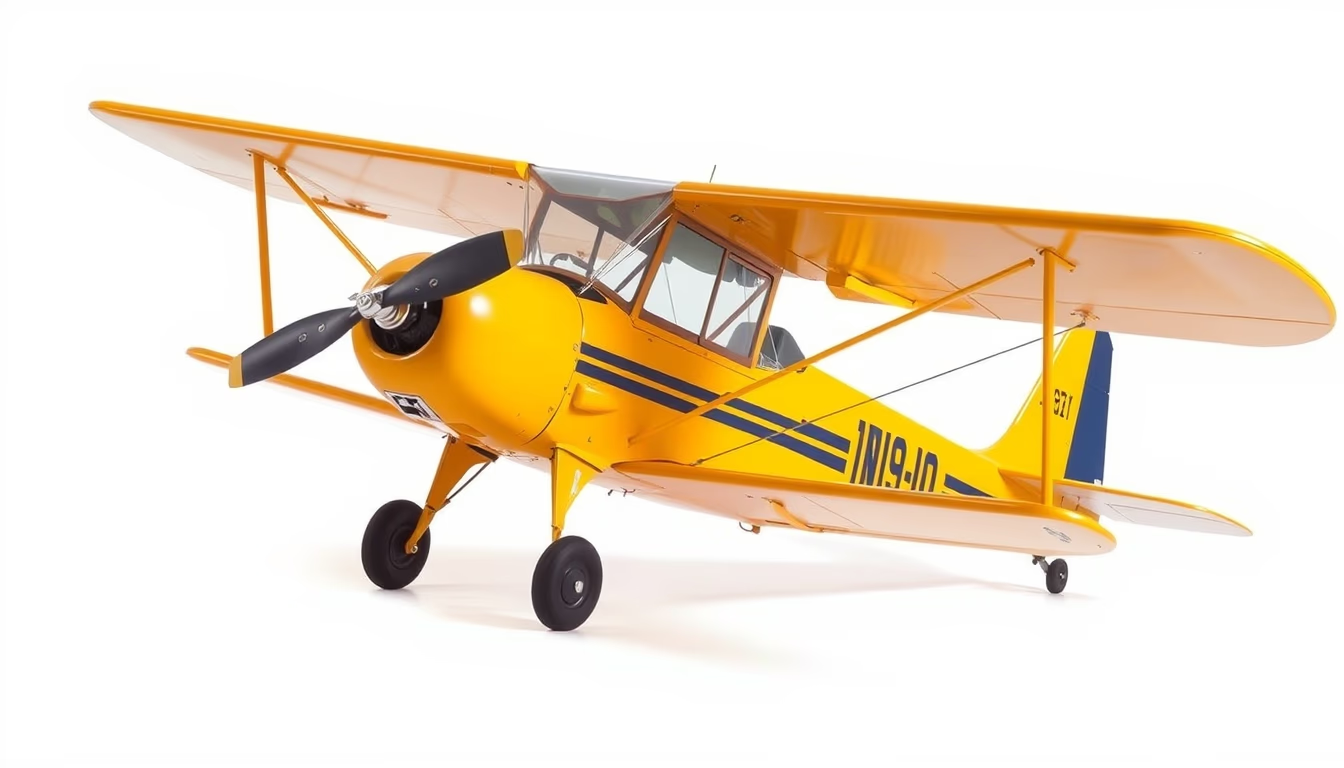
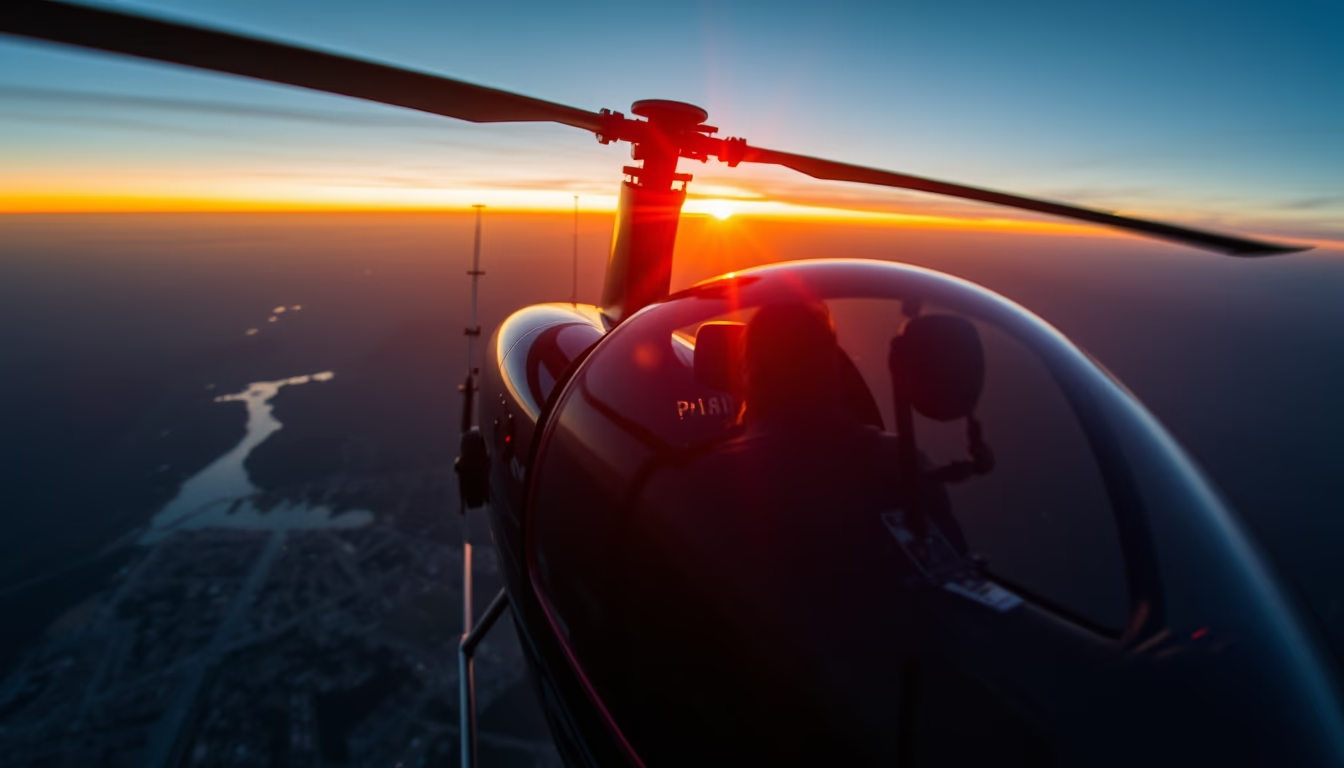
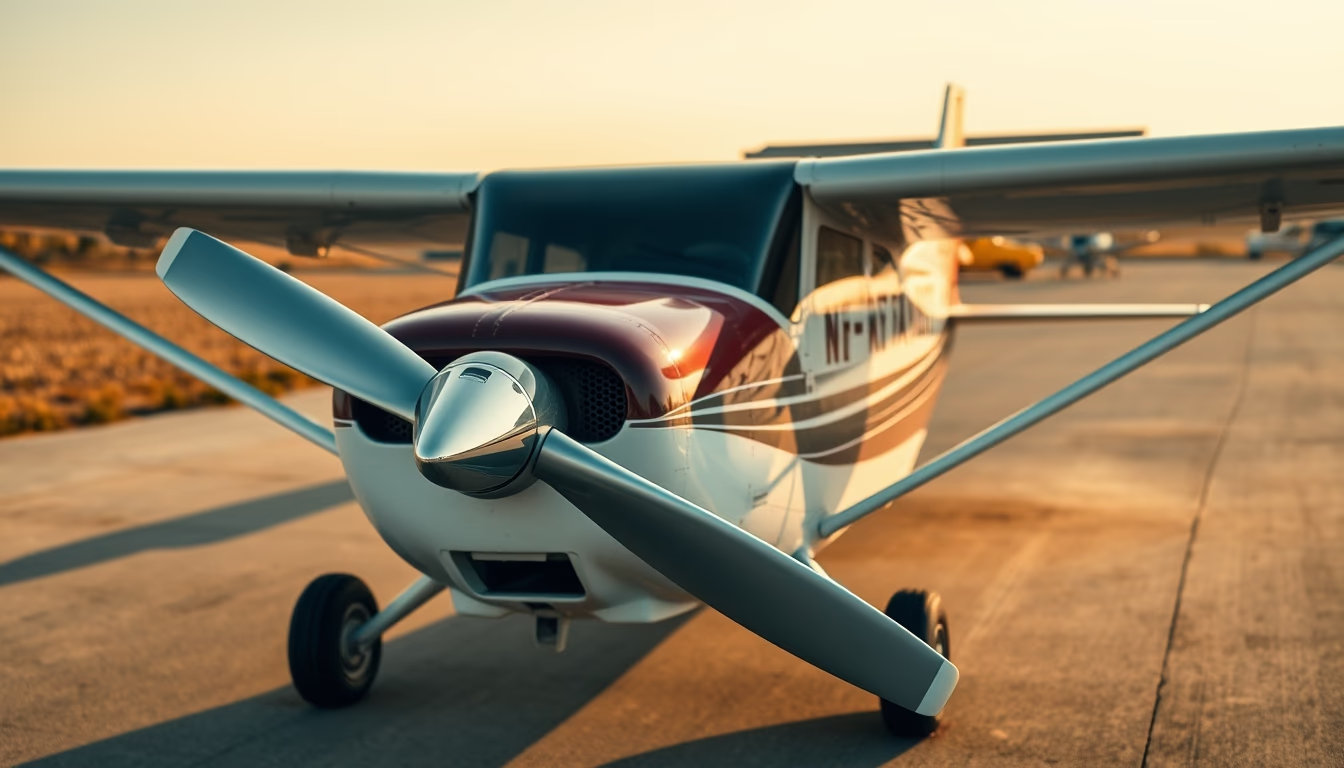
Paramotor flight is a form of powered paragliding that combines a backpack motor with a paraglider wing, enabling takeoffs from the ground.
About this subject
Paramotor, also known as powered paragliding, is a flexible-wing aircraft propelled by an internal combustion engine attached to a propeller. The pilot uses a paraglider wing, similar to those in free flight, but with a backpack engine that provides enough thrust to take off from a flat surface, eliminating the need for slopes or towing. This characteristic makes paramotoring an accessible and versatile option for recreational and long-distance flights.
The history of paramotor dates back to the 1980s, when paragliding enthusiasts began adapting small engines to their wings. The first documented powered flight took place in France in 1986. Since then, technology has advanced rapidly, with lighter and more efficient engines, as well as wings optimized for powered flight. In Brazil, the sport gained momentum in the 2000s, especially in the South and Southeast regions, where weather conditions and open areas are favorable.
In terms of operation, a typical paramotor has a two-stroke engine producing between 15 and 30 horsepower, and weighs 20 to 30 kilograms. The propeller, usually made of carbon fiber, spins at high speeds to generate thrust. The pilot controls direction with hand toggles that adjust the wing's lines, similar to paragliding, but also manages engine power with a right-hand throttle. Cruising speeds range from 40 to 60 km/h, and fuel consumption is about 4 to 6 liters per hour.
Paramotoring offers a unique flying experience, combining the freedom of paragliding with the ability to take off from almost any flat spot. It is used for leisure, competitions, and even commercial purposes such as aerial photography and patrolling. However, it requires proper training and adherence to safety standards, including the use of a reserve parachute and rigorous equipment checks.
Frequently Asked Questions
What is the difference between paramotor and paragliding?
Paragliding is unpowered free flight that relies on slopes or towing for launch. Paramotoring adds a backpack engine, enabling autonomous takeoffs and powered flight without needing wind or slopes.
Is a license required to fly a paramotor in Brazil?
Yes, paramotors are regulated by ANAC as experimental or ultralight aircraft. Pilots need a medical certificate, theoretical and practical training, and registration with an aeroclub. The license is issued by ANAC or accredited entities.
What is the maximum altitude a paramotor can reach?
Under normal conditions, paramotors fly between 100 and 500 meters, but can reach 1,000 meters or more with good thermal conditions and a powerful engine. Legal airspace limits also apply.
Direct URL
https://pub-c7d6a6ea828543ac903a74a341ccb2e1.r2.dev/imagens/paramotor-flight-macro-closeup-fresh11.avifHow to credit
Include a visible link back to UtilizAí. Copy one of the snippets below:
<a href="https://xn--utiliza-eza.com/en/midia/imagens/paramotor-flight-macro-closeup-fresh11">Paramotor flight</a> by <a href="https://xn--utiliza-eza.com">UtilizAí</a>, licensed under <a href="https://creativecommons.org/licenses/by/4.0/">CC BY 4.0</a>.
[Paramotor flight](https://xn--utiliza-eza.com/en/midia/imagens/paramotor-flight-macro-closeup-fresh11) by [UtilizAí](https://xn--utiliza-eza.com), CC BY 4.0
License: CC-BY-4.0