Paramotor flight
1344×768 · AVIF · CC BY 4.0
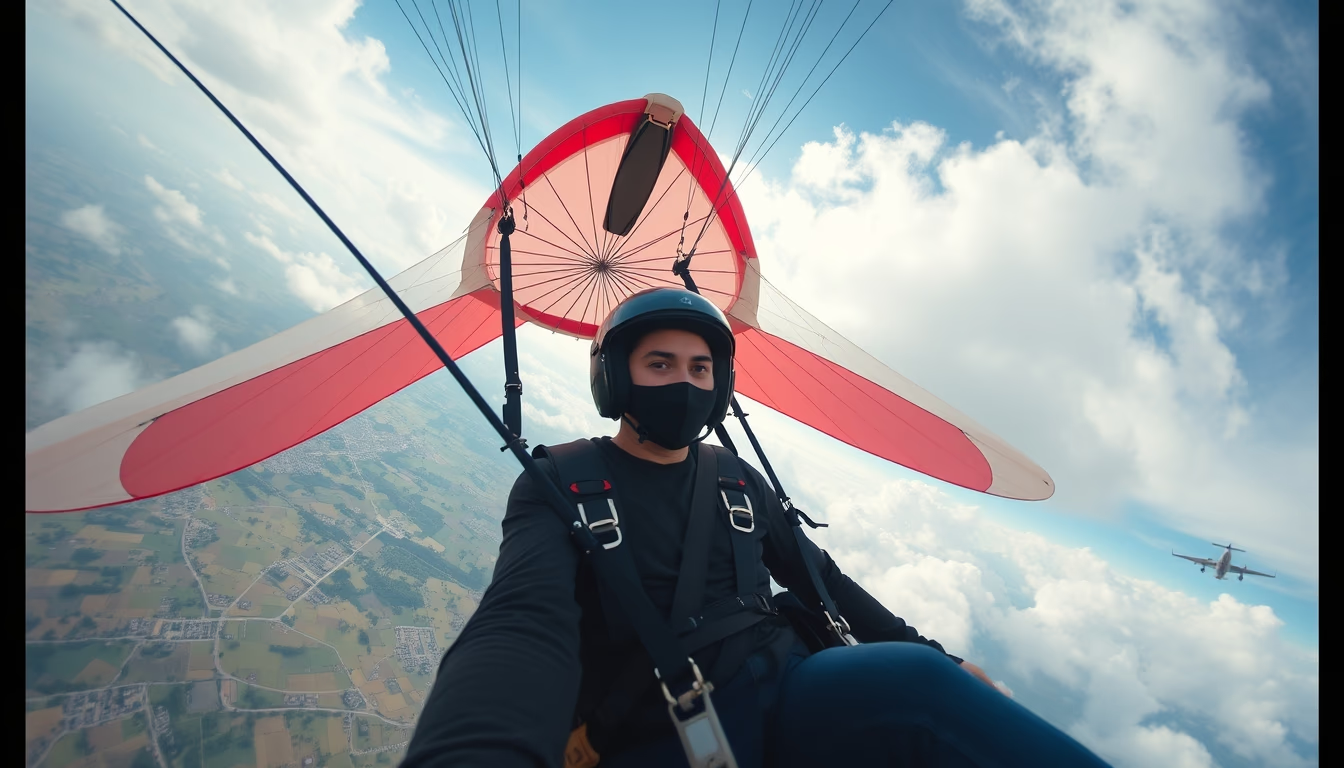
Paramotoring is the most accessible form of individual powered flight, combining a paraglider with a backpack motor and propeller.
About this subject
Paramotoring, also known as powered paragliding, is a form of ultralight aviation where a pilot wears a backpack motor with a propeller and uses a paraglider wing for lift. It is one of the most affordable and accessible ways to experience powered flight, as many countries, including the United States and Brazil, do not require a pilot's license for recreational flights in uncontrolled airspace. The complete setup typically weighs 20 to 35 kg and includes the wing, harness, motor, and fuel tank.
A typical paramotor flight lasts one to three hours, covering distances of 50 to 150 km, depending on fuel capacity, pilot weight, and weather. Cruising speed ranges from 30 to 60 km/h, and altitude is usually limited to 400 feet (120 m) above ground for recreational flying, though higher altitudes are possible with proper training. The sport is popular worldwide, especially in flat or coastal areas like the Brazilian countryside or beaches of the Northeast.
Invented in the 1980s by French parachutist Roger Jeandot, who attached a lawnmower engine to his paraglider, paramotoring has seen technological advancements in lighter, quieter engines and electric motors. Beyond recreation, it is used for aerial photography, wildlife monitoring, crop inspection, and even search-and-rescue in remote terrain. World championships test precision landing and navigation skills.
Safety relies on pre-flight checks, weather awareness, reserve parachutes, and proper training. Although it may seem dangerous, paramotoring has a low accident rate compared to other sports like hang gliding or skydiving, provided pilots adhere to safety protocols.
Frequently Asked Questions
Do I need a license to fly a paramotor in the USA?
In the United States, paramotors are classified as ultralight vehicles, so no pilot's license is required for recreational flights in uncontrolled airspace. However, formal training is strongly recommended.
How high can a paramotor fly?
Recreational paramotors typically stay below 400 feet (120 m) above ground level. With proper training and authorization, pilots can fly higher but must adhere to airspace regulations.
Is paramotoring dangerous?
Paramotoring has a relatively low accident rate compared to other aerial sports. Safety depends on good judgment, proper training, use of reserve parachutes, and avoiding risky weather conditions.
Direct URL
https://pub-c7d6a6ea828543ac903a74a341ccb2e1.r2.dev/imagens/paramotor-flight-lo-fi-disposable-camera-fresh0.avifHow to credit
Include a visible link back to UtilizAí. Copy one of the snippets below:
<a href="https://xn--utiliza-eza.com/en/midia/imagens/paramotor-flight-lo-fi-disposable-camera-fresh0">Paramotor flight</a> by <a href="https://xn--utiliza-eza.com">UtilizAí</a>, licensed under <a href="https://creativecommons.org/licenses/by/4.0/">CC BY 4.0</a>.
[Paramotor flight](https://xn--utiliza-eza.com/en/midia/imagens/paramotor-flight-lo-fi-disposable-camera-fresh0) by [UtilizAí](https://xn--utiliza-eza.com), CC BY 4.0
License: CC-BY-4.0