Pantanal wetlands sunrise
1344×768 · AVIF · CC BY 4.0
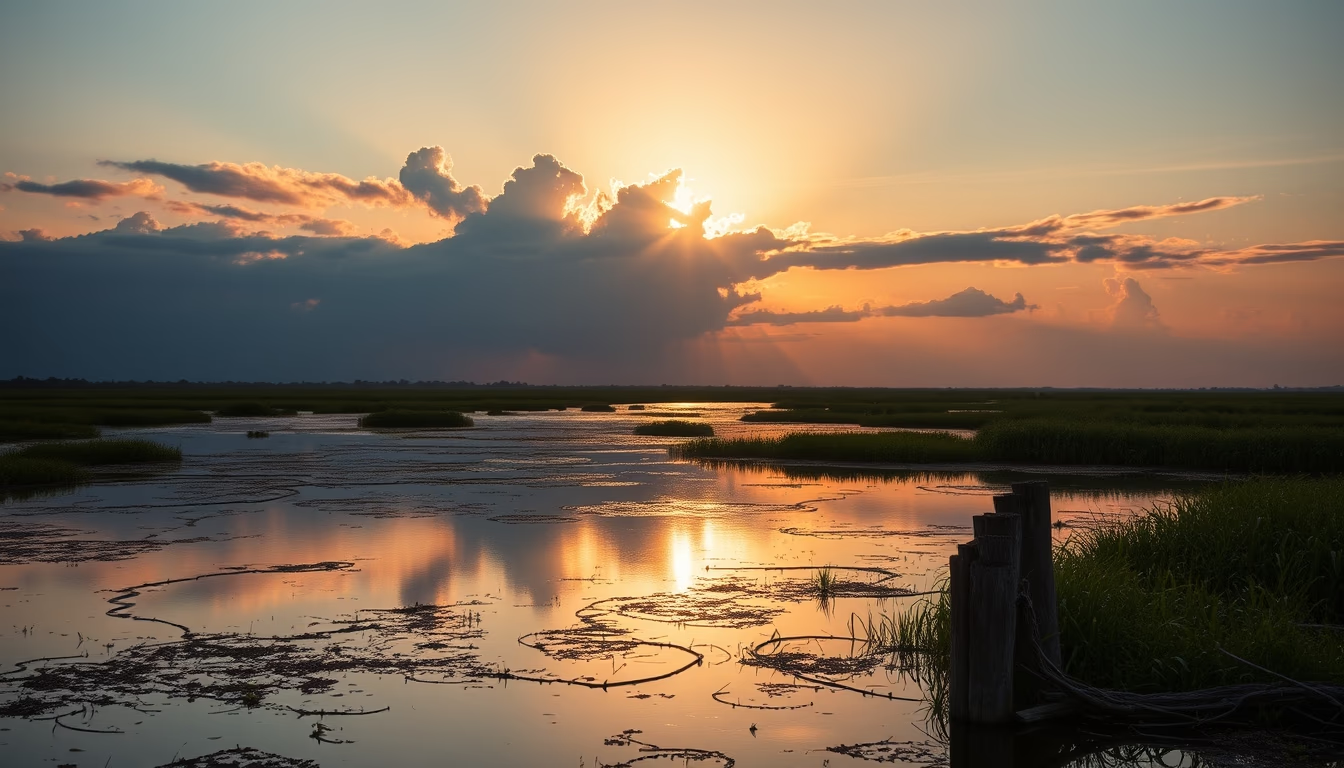
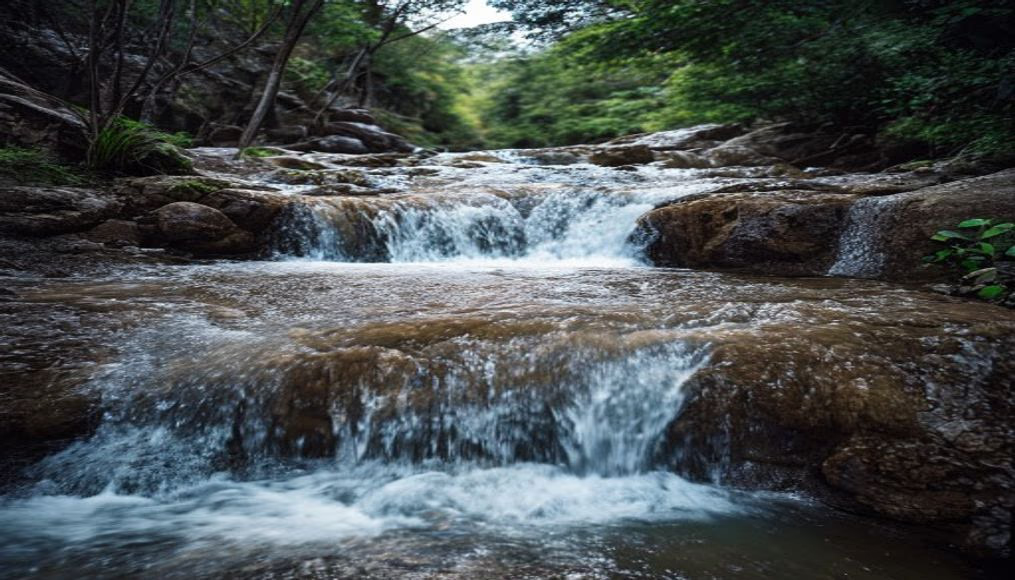
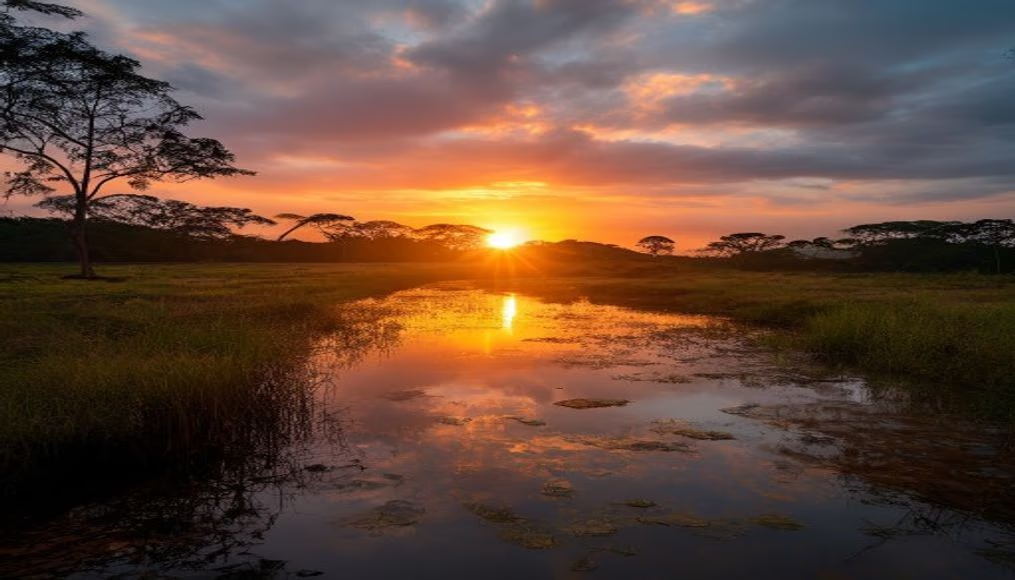
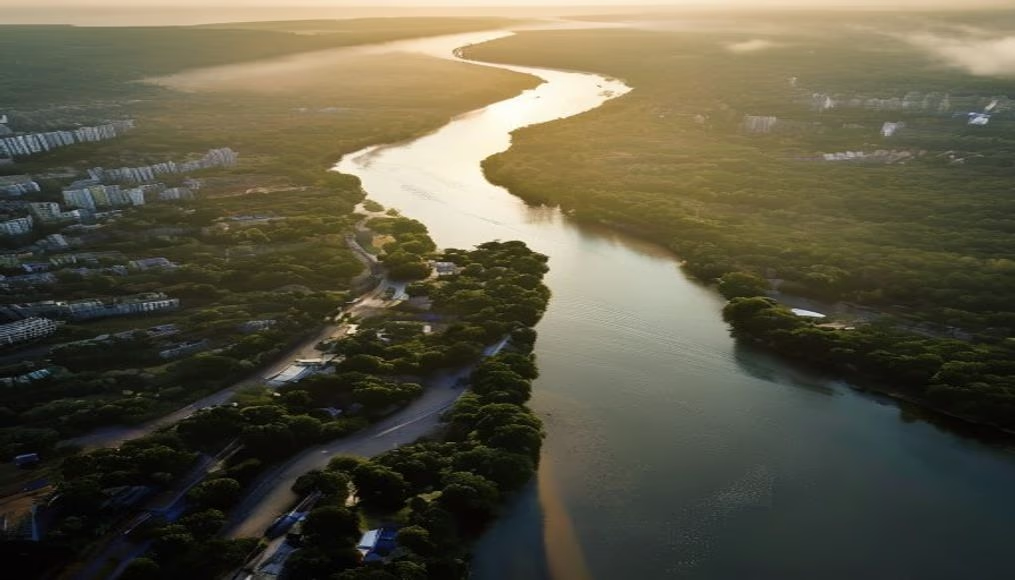
The sunrise over the Pantanal reveals the world's largest tropical wetland, a sanctuary of biodiversity and scenic beauty.
About this subject
The Pantanal is the world's largest continuous tropical wetland, covering approximately 150,000 km² in the Brazilian states of Mato Grosso and Mato Grosso do Sul, as well as parts of Bolivia and Paraguay. Recognized by UNESCO as a Biosphere Reserve and World Natural Heritage site, the biome hosts one of the highest concentrations of wildlife in the Americas, including the jaguar, hyacinth macaw, jabiru stork, and yacare caiman. During the dry season (May to October), waters recede, forming ponds and channels that, at dawn, are painted in orange and golden hues.
Sunrise in the Pantanal is a remarkable spectacle, especially in regions like Porto Jofre along the Transpantaneira highway and the Pantanal Matogrossense National Park. The low light highlights the cerrado and flooded savanna vegetation, while morning mist dissipates over the marshes. Birdwatching is particularly rewarding at this hour, with dozens of species such as the wood stork, roseate spoonbill, and southern caracara beginning their activities. Photographers and ecotourists seek this moment to capture wildlife interacting with the aquatic environment.
Culturally, the Pantanal is home to riverside communities and pantaneiro cowboys, whose extensive cattle ranching tradition dates back to the 18th century. Pantaneiro livestock management is adapted to the flood cycle, with techniques that respect wet and dry periods. Wildlife observation tourism and sport fishing (subject to legal restrictions) are growing economic activities, but the biome faces threats such as deforestation for pasture, wildfires, and hydroelectric dam construction in the Upper Paraguay River basin. The Pantanal sunrise symbolizes both the resilience of this ecosystem and the urgency of its conservation.
Frequently Asked Questions
What is the best time to see sunrise in the Pantanal?
The dry season, from May to October, offers clearer skies and less chance of rain, along with higher wildlife concentrations near ponds and channels.
Where is the best spot to photograph dawn in the Pantanal?
The Transpantaneira highway (MT-060) and the Porto Jofre region are classic locations. Pantanal Matogrossense National Park also has viewpoints and trails with privileged views.
Which animals are most commonly seen at dawn in the Pantanal?
Hyacinth macaws, jabiru storks, herons, capybaras, and caimans are common. With luck, you may spot jaguars moving along riverbanks.
Direct URL
https://pub-c7d6a6ea828543ac903a74a341ccb2e1.r2.dev/imagens/pantanal-wetlands-sunrise-documentary-photography.avifHow to credit
Include a visible link back to UtilizAí. Copy one of the snippets below:
<a href="https://xn--utiliza-eza.com/en/midia/imagens/pantanal-wetlands-sunrise-documentary-photography">Pantanal wetlands sunrise</a> by <a href="https://xn--utiliza-eza.com">UtilizAí</a>, licensed under <a href="https://creativecommons.org/licenses/by/4.0/">CC BY 4.0</a>.
[Pantanal wetlands sunrise](https://xn--utiliza-eza.com/en/midia/imagens/pantanal-wetlands-sunrise-documentary-photography) by [UtilizAí](https://xn--utiliza-eza.com), CC BY 4.0
License: CC-BY-4.0