Pan flute andean
1344×768 · AVIF · CC BY 4.0
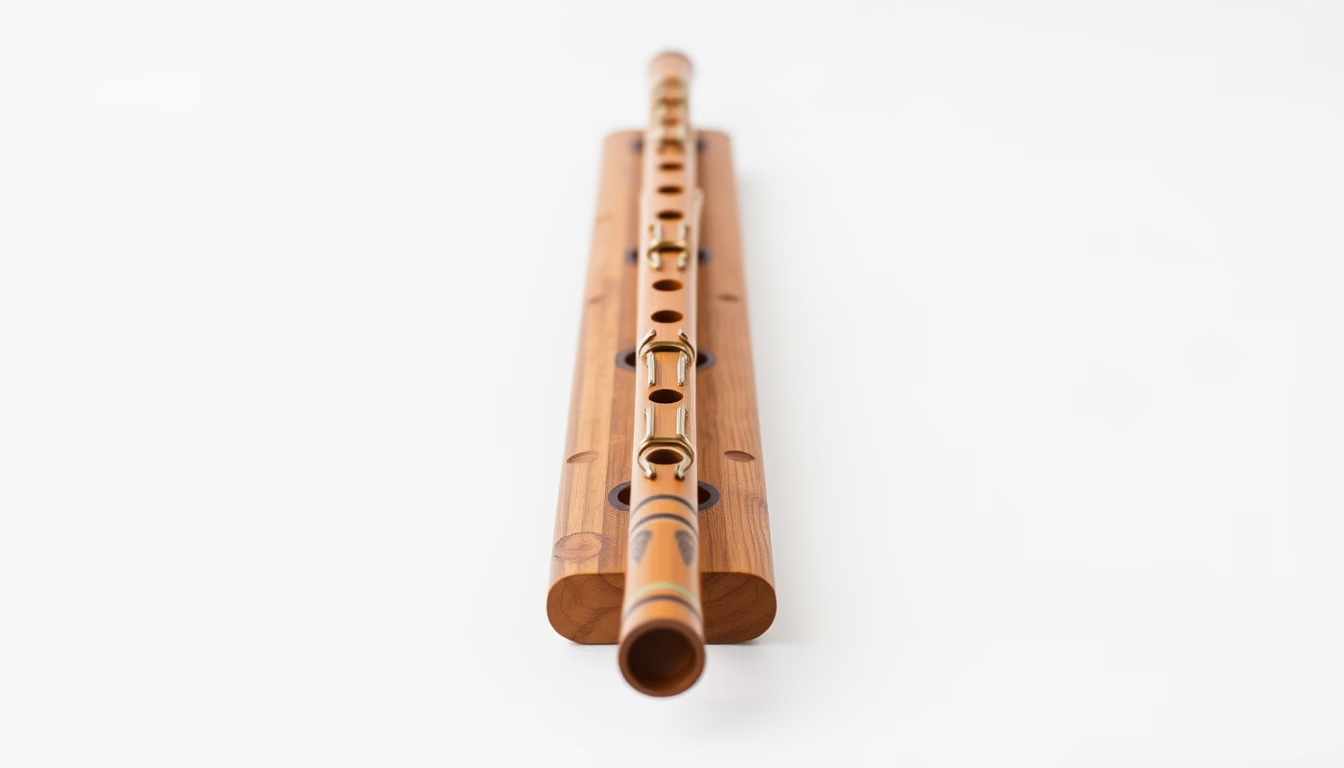
The zampoña, also known as the Andean pan flute, is an ancient wind instrument from the Quechua and Aymara peoples of the Andes.
About this subject
The zampoña, also known as the Andean pan flute, is a wind instrument consisting of a series of tubes of varying lengths, typically made from cane or bamboo, bound together in a row. Each tube produces a distinct note, and the set forms a pentatonic or diatonic scale. Originating from the Andean region, particularly Peru, Bolivia, Ecuador, and northern Chile, the zampoña has a history spanning thousands of years, with archaeological evidence of similar instruments dating back to 2000 BCE.
The instrument is played by blowing transversely across the top of the tubes, similar to blowing across a bottle. Musicians often use circular breathing to maintain a continuous sound. The zampoña is frequently accompanied by other Andean instruments such as the quena, charango, and bombo. There are two main types: the simple zampoña with one row of tubes, and the double zampoña with two rows allowing chromatic notes.
The zampoña plays a central role in traditional Andean music, used in festivals, rituals, and religious ceremonies since pre-Columbian times. It is especially associated with the music of the Altiplano and Inca culture. Today, the zampoña is known globally through groups like Los Kjarkas and world folk music. Its sound evokes the mountainous landscapes and spirituality of the Andes.
Frequently Asked Questions
What is the origin of the zampoña?
The zampoña originates from the indigenous peoples of the Andes, especially the Quechua and Aymara. Similar instruments have been found in archaeological sites over 4,000 years old.
How is the zampoña played?
It is played by blowing across the top of the tubes, varying the intensity and lip position to change notes. Circular breathing is used to maintain a continuous sound.
What is the difference between a simple and double zampoña?
A simple zampoña has one row of tubes and produces a pentatonic or diatonic scale. A double zampoña has two rows, allowing for chromatic notes and greater melodic range.
Direct URL
https://pub-c7d6a6ea828543ac903a74a341ccb2e1.r2.dev/imagens/pan-flute-andean-commercial-product-photography-p2.avifHow to credit
Include a visible link back to UtilizAí. Copy one of the snippets below:
<a href="https://xn--utiliza-eza.com/en/midia/imagens/pan-flute-andean-commercial-product-photography-p2">Pan flute andean</a> by <a href="https://xn--utiliza-eza.com">UtilizAí</a>, licensed under <a href="https://creativecommons.org/licenses/by/4.0/">CC BY 4.0</a>.
[Pan flute andean](https://xn--utiliza-eza.com/en/midia/imagens/pan-flute-andean-commercial-product-photography-p2) by [UtilizAí](https://xn--utiliza-eza.com), CC BY 4.0
License: CC-BY-4.0