Palm house botanical kew
1344×768 · AVIF · CC BY 4.0
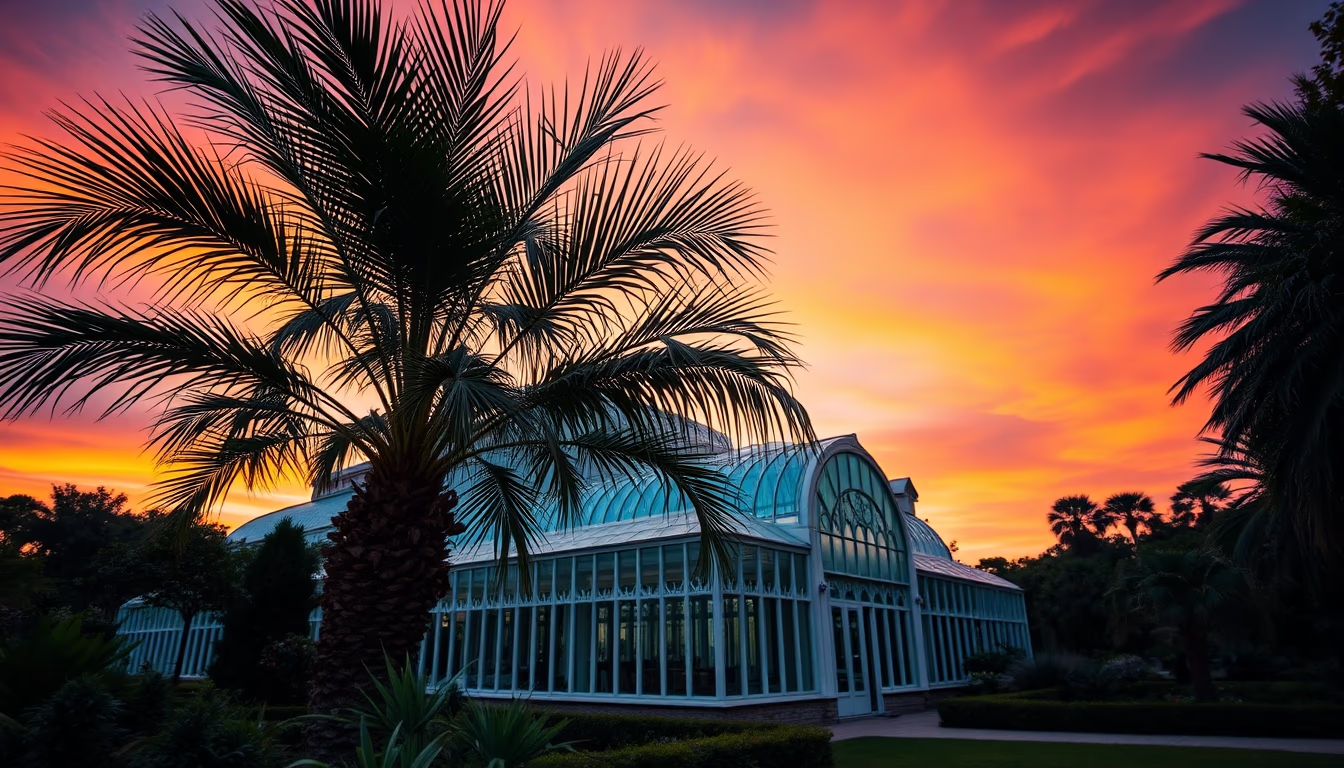
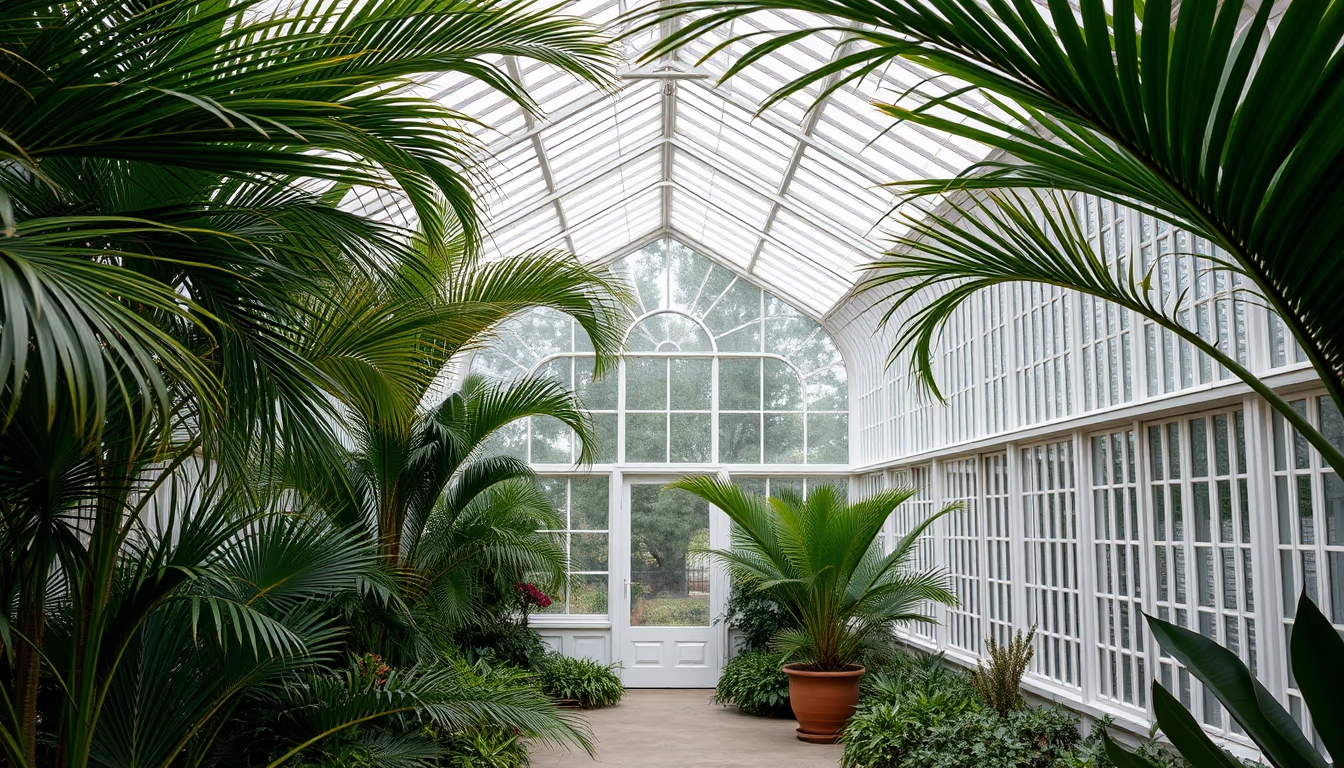
The Palm House at Kew Gardens is an iconic Victorian greenhouse, housing one of the world's most important collections of palms and tropical plants.
About this subject
The Palm House at Kew Gardens in London is one of the most iconic greenhouses in the world. Designed by architect Decimus Burton and engineer Richard Turner, it was built between 1844 and 1848 during the Victorian era. Its wrought iron and curved glass structure was a technical innovation at the time, allowing the creation of a controlled environment for cultivating tropical species. The Palm House was conceived to house the growing collection of palms brought back by British botanical explorers, symbolizing the imperial power and scientific progress of the United Kingdom.
The building measures 110 meters in length and 30 meters in width, with a central height of 20 meters that allows for the growth of towering palms. Inside, a variety of tropical plants from different continents are cultivated, including palms, cycads, and ferns. The original heating and ventilation system, powered by coal, has been modernized over the years, but the historic structure remains intact. The Palm House also inspired other greenhouses around the world, such as the Sydney Conservatory and the Berlin Botanical Garden.
Today, the Palm House is part of the UNESCO World Heritage Site of Kew Gardens since 2003. Beyond its architectural value, the greenhouse plays a crucial role in the conservation of endangered species. Research and breeding programs for rare palms are conducted on site, contributing to global biodiversity preservation. Visitors can admire the beauty of the plants and learn about the history of botany and scientific exploration. The Palm House is also a popular spot for long-exposure photography, capturing the contrast between the illuminated glass and the night sky.
Frequently Asked Questions
When was the Palm House at Kew Gardens built?
The Palm House was built between 1844 and 1848 during the Victorian era.
What kind of plants are grown in the Palm House?
The greenhouse houses a vast collection of tropical plants, including palms, cycads, ferns, and other species from different continents.
Is the Palm House a World Heritage site?
Yes, since 2003 the Palm House is part of the Kew Gardens UNESCO World Heritage site.
Direct URL
https://pub-c7d6a6ea828543ac903a74a341ccb2e1.r2.dev/imagens/palm-house-botanical-kew-long-exposure-fresh4.avifHow to credit
Include a visible link back to UtilizAí. Copy one of the snippets below:
<a href="https://xn--utiliza-eza.com/en/midia/imagens/palm-house-botanical-kew-long-exposure-fresh4">Palm house botanical kew</a> by <a href="https://xn--utiliza-eza.com">UtilizAí</a>, licensed under <a href="https://creativecommons.org/licenses/by/4.0/">CC BY 4.0</a>.
[Palm house botanical kew](https://xn--utiliza-eza.com/en/midia/imagens/palm-house-botanical-kew-long-exposure-fresh4) by [UtilizAí](https://xn--utiliza-eza.com), CC BY 4.0
License: CC-BY-4.0