Palm house botanical kew
1344×768 · AVIF · CC BY 4.0
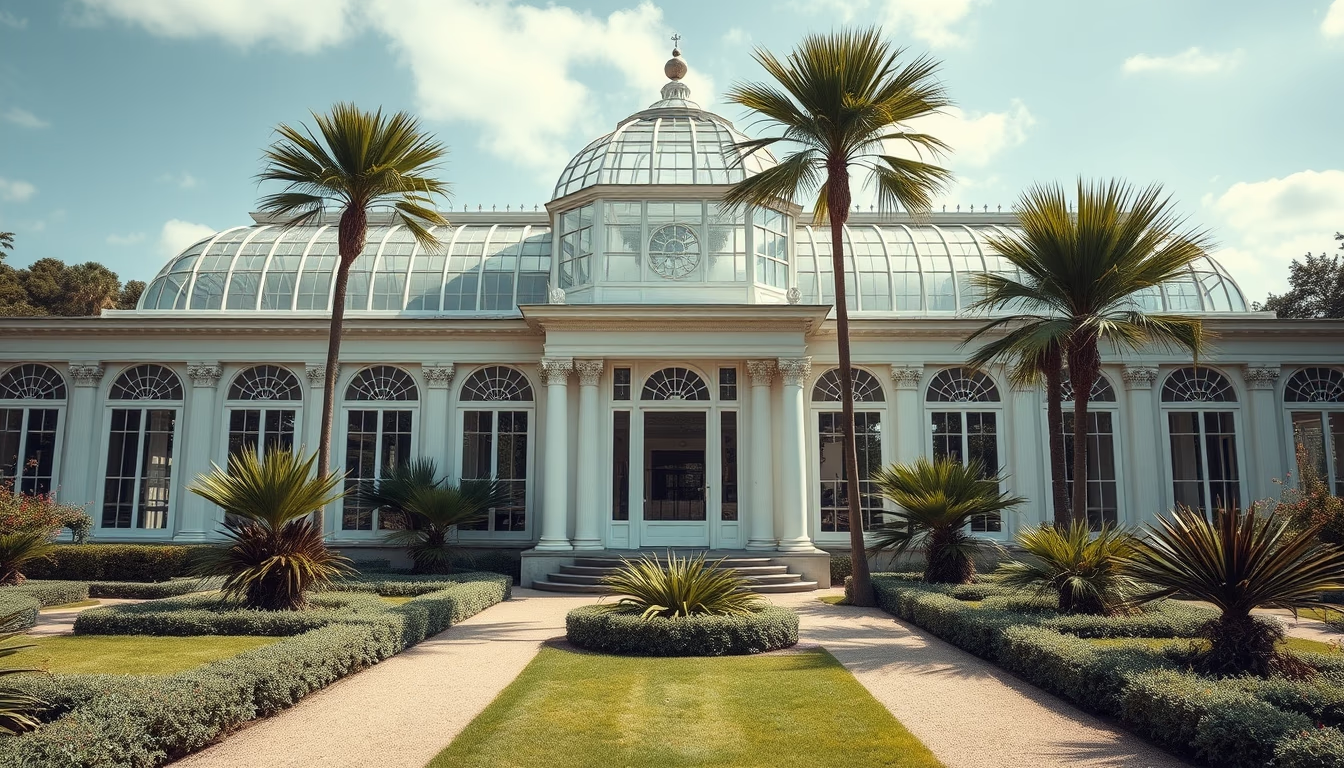
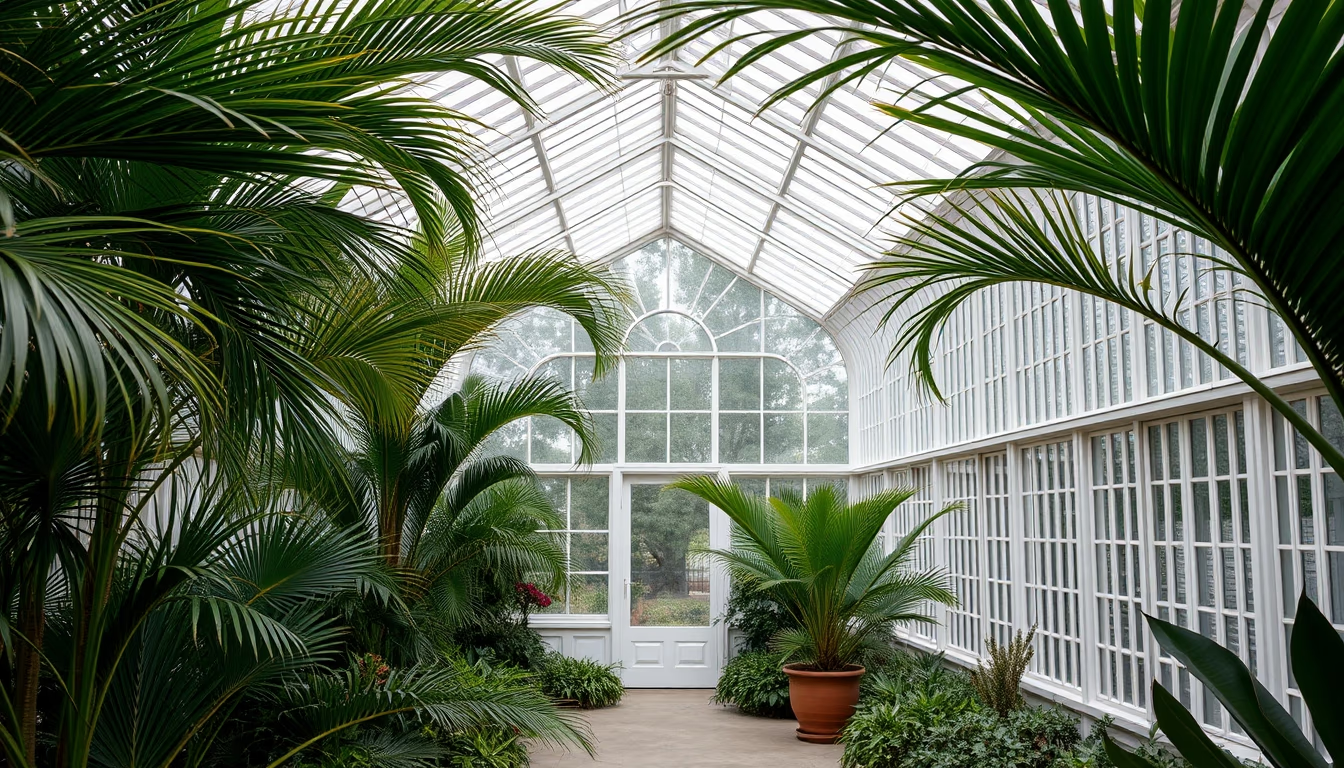
The Palm House at the Royal Botanic Gardens, Kew, is an iconic Victorian glasshouse in London, housing a vast collection of palms and tropical plants.
About this subject
The Palm House is one of the world's most iconic glasshouses, located at the Royal Botanic Gardens, Kew, in London. Designed by architect Decimus Burton and engineer Richard Turner, it was built between 1844 and 1848. Its wrought iron and glass structure, with a curvilinear shape inspired by a water lily leaf, represented a technological marvel for its time. At inauguration, it was the largest glasshouse ever constructed, measuring 110 meters in length and 20 meters in height.
The primary purpose of the Palm House was to house tropical species recently collected from botanical expeditions, especially palms, which could not survive the British cold climate. The original heating system used coal-fired boilers and hot water pipes to maintain appropriate temperatures. Today, climate control is automated, and the glasshouse continues as a center for research and conservation. Notable plants include the African oil palm and the coco de mer palm from the Seychelles.
Culturally, the Palm House is a symbol of the Victorian era and a passion for botany. It has been a UNESCO World Heritage site since 2003 and has served as a backdrop for films such as "Skyfall" and "Harry Potter and the Goblet of Fire." The glasshouse underwent a major restoration between 1984 and 1988, replacing glass and refurbishing the structure. Visitors can explore its interior, including a suspended walkway for viewing the tree canopies.
Interestingly, the Palm House was designed to be visually striking, with its streamlined profile reminiscent of an upturned ship. The combination of iron and glass allowed maximum light penetration, essential for the plants. The current collection includes over 200 species of palms, along with cycads, ferns, and other tropical plants. The glasshouse also plays an educational role, offering guided tours and conservation programs for endangered species.
Frequently Asked Questions
What is the function of the Palm House at Kew?
The Palm House houses and displays a vast collection of palms and tropical plants, serving as a center for research, conservation, and botanical education.
How long did it take to build the Palm House?
Construction took about four years, from 1844 to 1848, designed by Decimus Burton and engineered by Richard Turner.
Which famous plants are in the Palm House?
Notable plants include the coco de mer palm (Lodoicea maldivica), African oil palm (Elaeis guineensis), and various rare cycad species.
Direct URL
https://pub-c7d6a6ea828543ac903a74a341ccb2e1.r2.dev/imagens/palm-house-botanical-kew-architectural-photography-fresh0.avifHow to credit
Include a visible link back to UtilizAí. Copy one of the snippets below:
<a href="https://xn--utiliza-eza.com/en/midia/imagens/palm-house-botanical-kew-architectural-photography-fresh0">Palm house botanical kew</a> by <a href="https://xn--utiliza-eza.com">UtilizAí</a>, licensed under <a href="https://creativecommons.org/licenses/by/4.0/">CC BY 4.0</a>.
[Palm house botanical kew](https://xn--utiliza-eza.com/en/midia/imagens/palm-house-botanical-kew-architectural-photography-fresh0) by [UtilizAí](https://xn--utiliza-eza.com), CC BY 4.0
License: CC-BY-4.0