Paella pan saffron
1344×768 · AVIF · CC BY 4.0
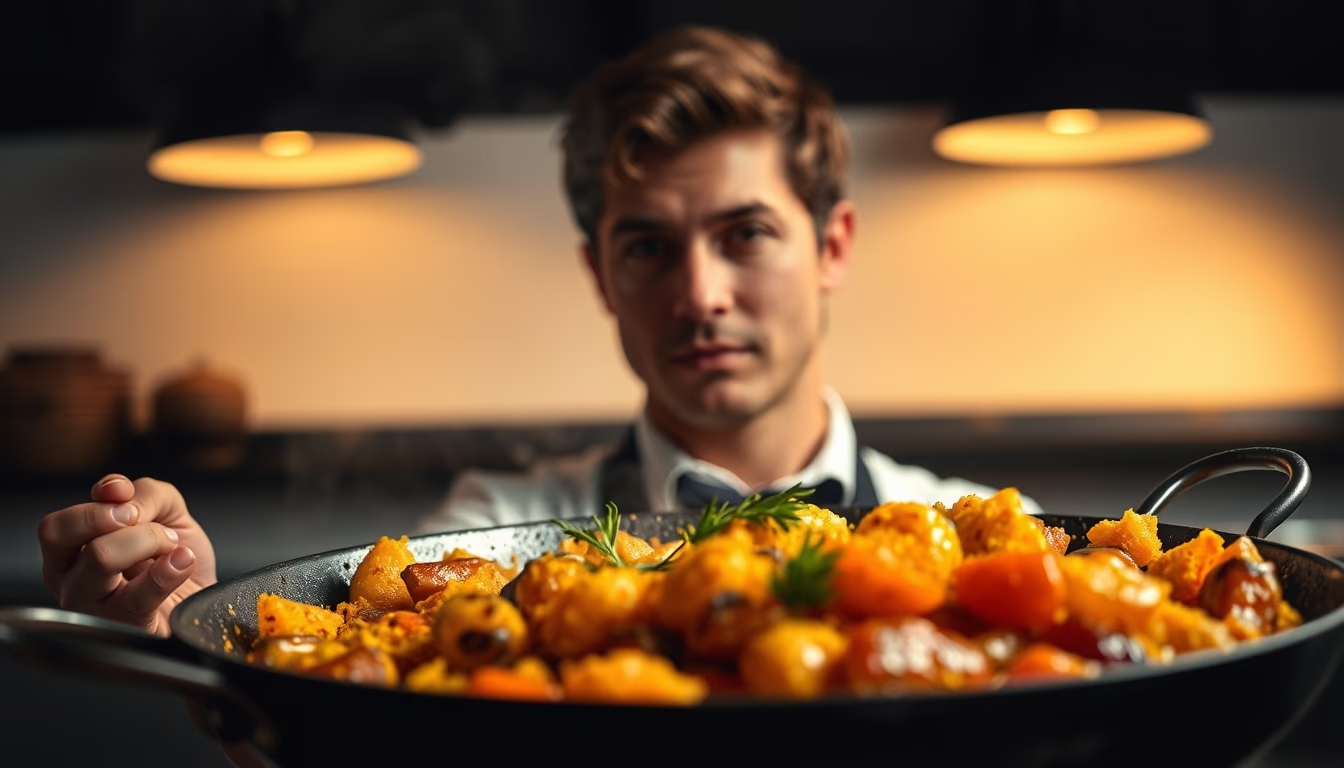
Paella is a Spanish rice dish originating from the Valencian Community, with saffron providing its signature color and flavor.
About this subject
Paella is one of the most iconic dishes of Spanish cuisine, originating from the Valencian Community along the Mediterranean coast. Traditionally cooked in a wide, shallow pan (paellera), the base recipe combines rice, saffron, olive oil, and a selection of ingredients that vary by locality. The best‑known version is Valencian paella, which uses chicken, rabbit, green beans, and snails, but there are also seafood paella (marisco) and mixed paella (meat and seafood).
Saffron, derived from the stigmas of the Crocus sativus flower, plays a crucial role: it gives the rice a brilliant golden‑yellow hue, a floral aroma, and a slightly bitter taste. To maximize its properties, the spice is often crushed or dissolved in hot broth before being added to the rice. Saffron’s high cost comes from its manual harvest: each flower produces only three stigmas, and about 150,000 flowers are needed to obtain one kilogram of the dried spice.
Historically, paella emerged in the 15th century among Valencian peasants, who cooked rice with whatever ingredients were available in the fields and gardens. Rice was brought to the Iberian Peninsula by the Arabs during the Age of Discovery, and saffron had already been grown in the region since Moorish rule. Over time, the dish became a national symbol, served at festivals, family gatherings, and specialized restaurants. In 2021, paella was recognized by UNESCO as an Intangible Cultural Heritage of Humanity under traditional culinary practices.
Today, paella is enjoyed worldwide, with adaptations including octopus, lobster, mushrooms, or vegetarian versions. The choice of rice is critical: medium‑grain varieties like Bomba absorb up to three times their volume in liquid and remain firm without turning mushy. The ideal broth‑to‑rice ratio and cooking time are technical aspects that distinguish authentic paella from a simple risotto.
Frequently Asked Questions
What gives paella its yellow color?
The golden‑yellow hue of paella comes from saffron, the dried stigmas of the Crocus sativus flower. Saffron also adds a floral aroma and a slightly bitter taste. Some cooks use paprika or turmeric as cheaper substitutes.
Why is saffron so expensive?
Saffron’s high cost is due to hand‑harvesting and low yield. Each flower produces only three stigmas, and about 150,000 flowers are needed to obtain one kilogram of dried spice. Cultivation also requires a specific climate and skilled labor.
Is paella made with seafood or meat?
It depends on the variety. Traditional Valencian paella includes chicken, rabbit, green beans, and snails, with no seafood. Seafood paella (paella de marisco) contains squid, shrimp, mussels, and other shellfish. Mixed paella combines both meat and seafood.
Direct URL
https://pub-c7d6a6ea828543ac903a74a341ccb2e1.r2.dev/imagens/paella-pan-saffron-studio-editorial-portrait-p1.avifHow to credit
Include a visible link back to UtilizAí. Copy one of the snippets below:
<a href="https://xn--utiliza-eza.com/en/midia/imagens/paella-pan-saffron-studio-editorial-portrait-p1">Paella pan saffron</a> by <a href="https://xn--utiliza-eza.com">UtilizAí</a>, licensed under <a href="https://creativecommons.org/licenses/by/4.0/">CC BY 4.0</a>.
[Paella pan saffron](https://xn--utiliza-eza.com/en/midia/imagens/paella-pan-saffron-studio-editorial-portrait-p1) by [UtilizAí](https://xn--utiliza-eza.com), CC BY 4.0
License: CC-BY-4.0