Orthodox church onion
1344×768 · AVIF · CC BY 4.0
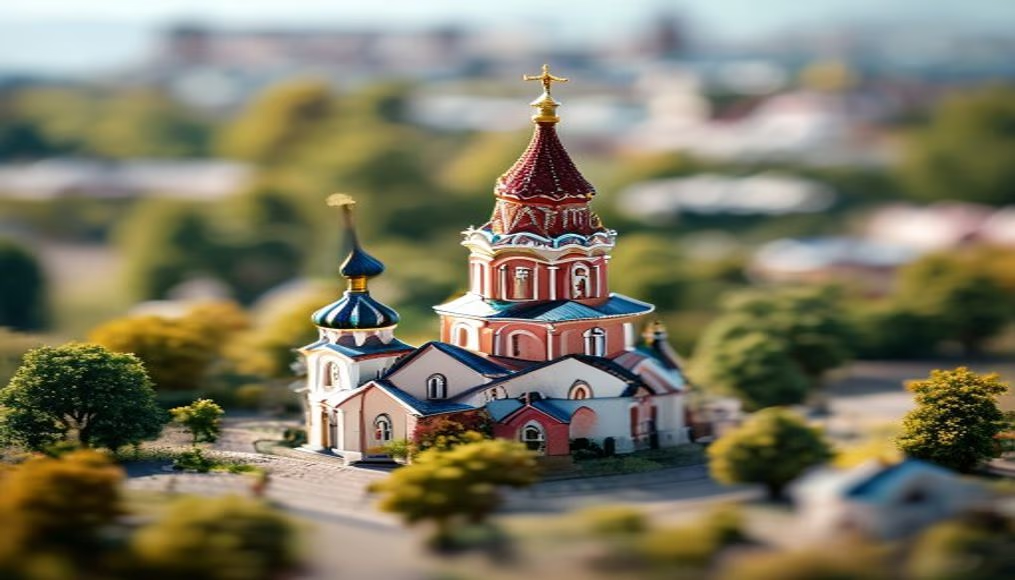
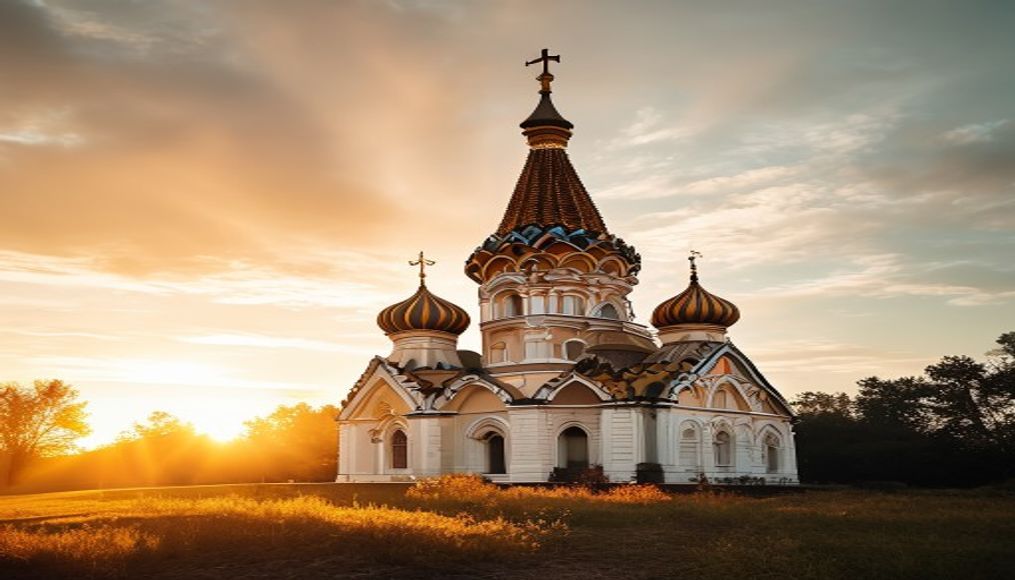
Onion-shaped domes, known as onion domes, are a hallmark of Eastern Orthodox church architecture, particularly in Russia.
About this subject
Onion domes are a distinctive architectural feature of Eastern Orthodox churches, particularly prevalent in Russia, Ukraine, and other Slavic countries. They emerged around the 12th century, replacing the lower Byzantine domes. The bulbous shape is believed to have been inspired by tents or elements of Russian wooden architecture. One theory suggests the form mimics a candle flame, symbolizing prayer ascending to heaven.
These domes are often gilded or painted in bright colors like blue, green, or red, and crowned with Orthodox crosses. In Russia, the color can carry specific meanings: gold represents divine glory; blue, the virginity of Mary; green, the Holy Spirit; and black, monastic humility. The number of domes also holds symbolism: one dome signifies God, three represent the Trinity, five symbolize Christ and the four evangelists, and thirteen indicate Christ and the apostles.
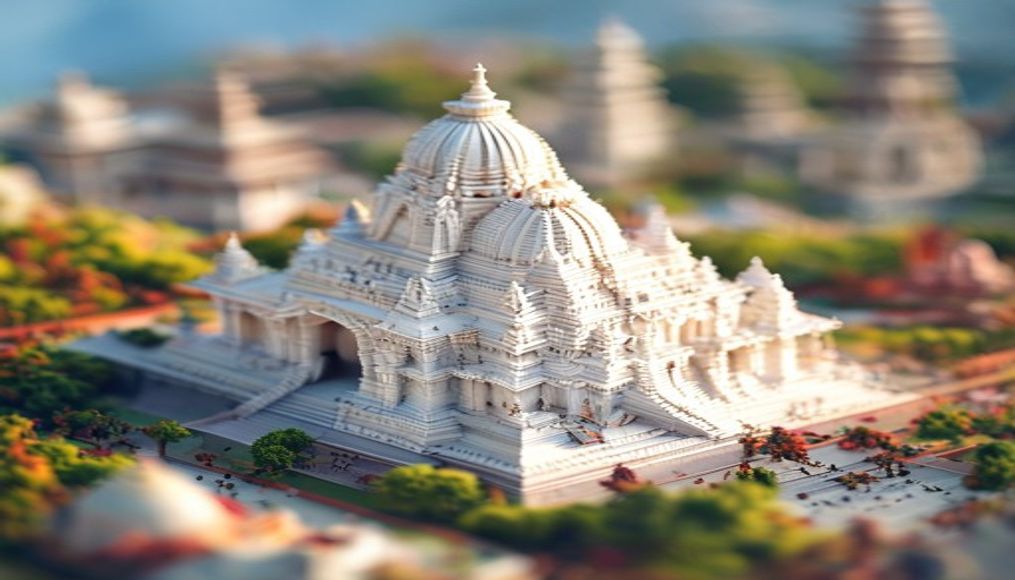
The tilt-shift technique applied in photography of these churches creates a miniature illusion, highlighting the peculiar shape of the domes and the intricate roof details. Churches like Saint Basil's Cathedral in Moscow and the Church of the Transfiguration in Kizhi are famous examples featuring multiple onion domes, each with unique designs and colors.
Outside Eastern Europe, onion domes can also be found in Orthodox churches in Ethiopia and in some Hindu constructions in India, though with different meanings. In the Orthodox context, the onion dome is a symbol of faith, cultural identity, and historical continuity, recognized worldwide as one of the most distinctive silhouettes in religious architecture.
Frequently Asked Questions
Why do Orthodox churches have onion-shaped domes?
The onion shape emerged in Russia around the 12th century, possibly influenced by tents or local wooden architecture. Symbolically, the form resembles a candle flame, representing prayer ascending to God.
What is the meaning of the colors of onion domes?
In Russian tradition, gold symbolizes divine glory; blue, the virginity of Mary; green, the Holy Spirit; and black, monastic humility. Colors may vary by region and historical period.
How many domes can an Orthodox church have and what does it mean?
The number of domes carries theological symbolism: one represents God; three, the Trinity; five, Christ and the four evangelists; and thirteen, Christ and the apostles. Larger churches may have more domes, such as Saint Basil's Cathedral with nine.
Direct URL
https://pub-c7d6a6ea828543ac903a74a341ccb2e1.r2.dev/imagens/orthodox-church-onion-tilt-shift-miniature-p2.avifHow to credit
Include a visible link back to UtilizAí. Copy one of the snippets below:
<a href="https://xn--utiliza-eza.com/en/midia/imagens/orthodox-church-onion-tilt-shift-miniature-p2">Orthodox church onion</a> by <a href="https://xn--utiliza-eza.com">UtilizAí</a>, licensed under <a href="https://creativecommons.org/licenses/by/4.0/">CC BY 4.0</a>.
[Orthodox church onion](https://xn--utiliza-eza.com/en/midia/imagens/orthodox-church-onion-tilt-shift-miniature-p2) by [UtilizAí](https://xn--utiliza-eza.com), CC BY 4.0
License: CC-BY-4.0