Orthodox cathedral russian
1344×768 · AVIF · CC BY 4.0
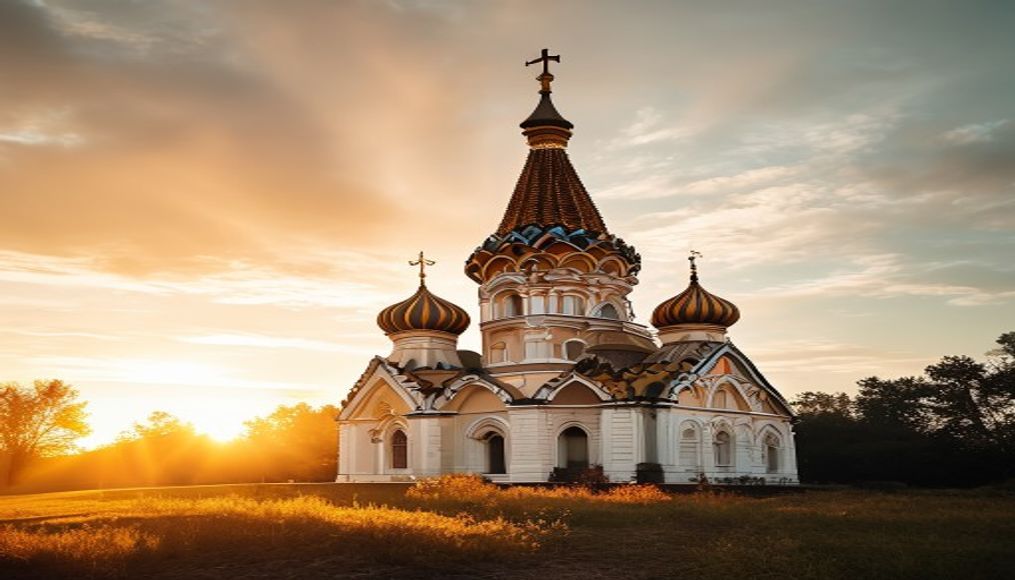
Russian Orthodox cathedrals are architectural and spiritual icons, known for their onion-shaped domes and rich history.
About this subject
Russian Orthodox cathedrals represent one of the most distinctive architectural styles in the world. Their bulbous domes, often gilded or painted in vibrant colors, are not merely decorative: they symbolize the flame of a candle pointing toward heaven, reflecting Orthodox Christian spirituality. Saint Basil's Cathedral in Moscow is the most iconic example, with its multicolored domes resembling a fairy-tale palace. Built between 1555 and 1561 by order of Ivan the Terrible, it commemorates the conquest of the Khanate of Kazan.
The architectural tradition of Russian Orthodox cathedrals dates back to the 10th century when Prince Vladimir I introduced Byzantine Christianity to Kievan Rus'. Early churches were built of wood, but gradually stone and brick were used, incorporating Byzantine elements such as the Greek cross plan and icons. The Dormition Cathedral in the Moscow Kremlin (1475-1479) served as the coronation site for tsars and exemplifies Italian influence combined with Russian tradition.
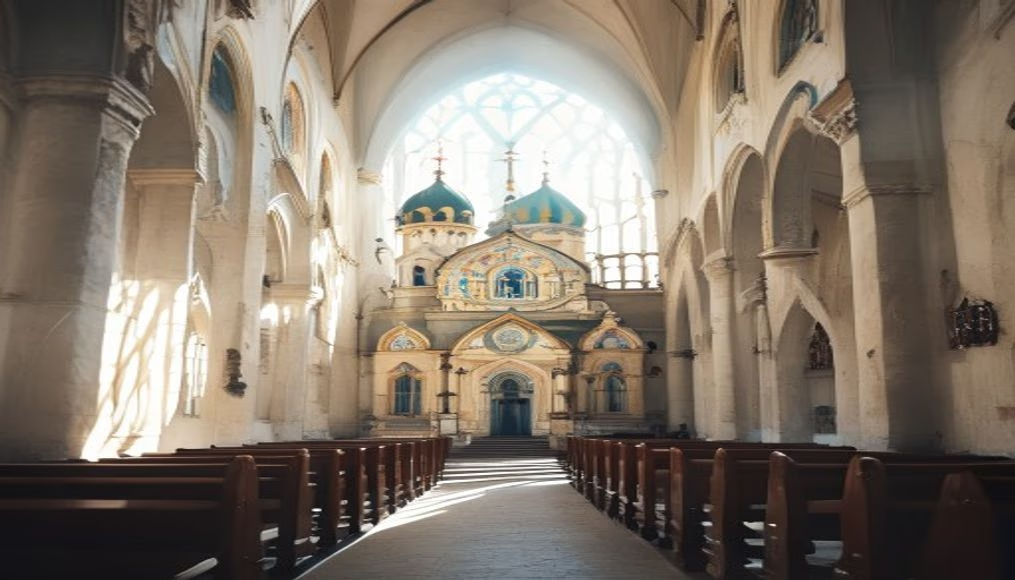
Each Russian Orthodox cathedral is dedicated to a saint or religious event. The interior is richly decorated with frescoes, mosaics, and an iconostasis, a wall of icons separating the altar from the nave. The iconostasis can have up to six tiers, telling the biblical story through sacred images. Orthodox worship is highly visual and sensory, and the cathedral's architecture is designed to elevate the soul.
Interestingly, the onion-shaped domes may have pre-Christian origins or be related to wooden construction techniques. During the Soviet period, many cathedrals were closed, destroyed, or turned into museums. After the fall of the USSR, a revival of faith occurred and many were restored. Today, Russian Orthodox cathedrals are UNESCO World Heritage sites and attract millions of visitors, both pilgrims and tourists.
Frequently Asked Questions
Why do Russian Orthodox cathedrals have onion-shaped domes?
The bulbous domes symbolize the flame of a candle pointing toward heaven, representing prayer and spiritual elevation. This shape may also originate from wooden architecture and Eastern influences.
What is the difference between a Russian Orthodox cathedral and a regular Orthodox church?
A cathedral is the main church of a diocese where the bishop officiates major services. It is typically larger and more ornate than a parish church, but the architecture and liturgy follow the same principles.
How did Russian Orthodox cathedrals survive the Soviet period?
Many were closed, destroyed, or turned into museums, warehouses, or even swimming pools. Some, like Saint Basil's Cathedral, were preserved as historical monuments. After 1991, many were returned to the Russian Orthodox Church and restored.
Direct URL
https://pub-c7d6a6ea828543ac903a74a341ccb2e1.r2.dev/imagens/orthodox-cathedral-russian-documentary-photography-p2.avifHow to credit
Include a visible link back to UtilizAí. Copy one of the snippets below:
<a href="https://xn--utiliza-eza.com/en/midia/imagens/orthodox-cathedral-russian-documentary-photography-p2">Orthodox cathedral russian</a> by <a href="https://xn--utiliza-eza.com">UtilizAí</a>, licensed under <a href="https://creativecommons.org/licenses/by/4.0/">CC BY 4.0</a>.
[Orthodox cathedral russian](https://xn--utiliza-eza.com/en/midia/imagens/orthodox-cathedral-russian-documentary-photography-p2) by [UtilizAí](https://xn--utiliza-eza.com), CC BY 4.0
License: CC-BY-4.0