Omega speedmaster moon
1344×768 · AVIF · CC BY 4.0
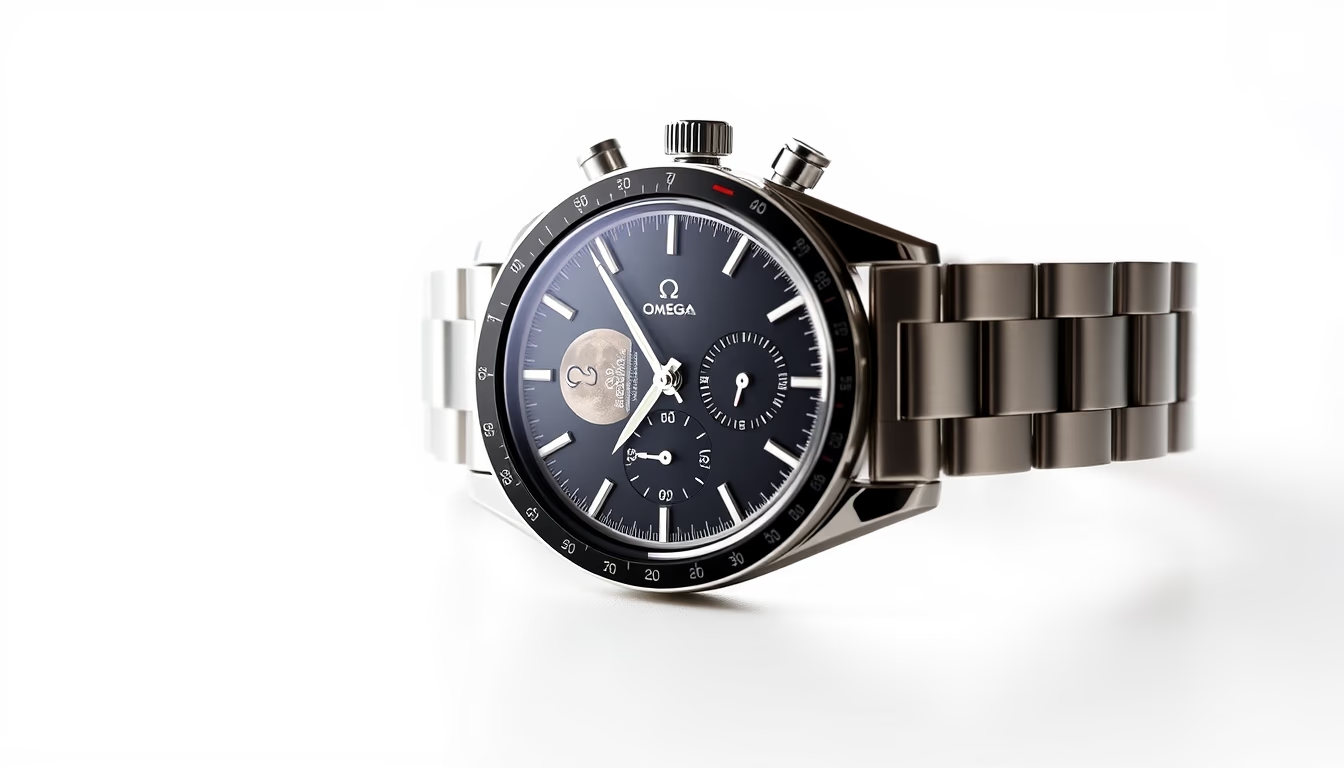
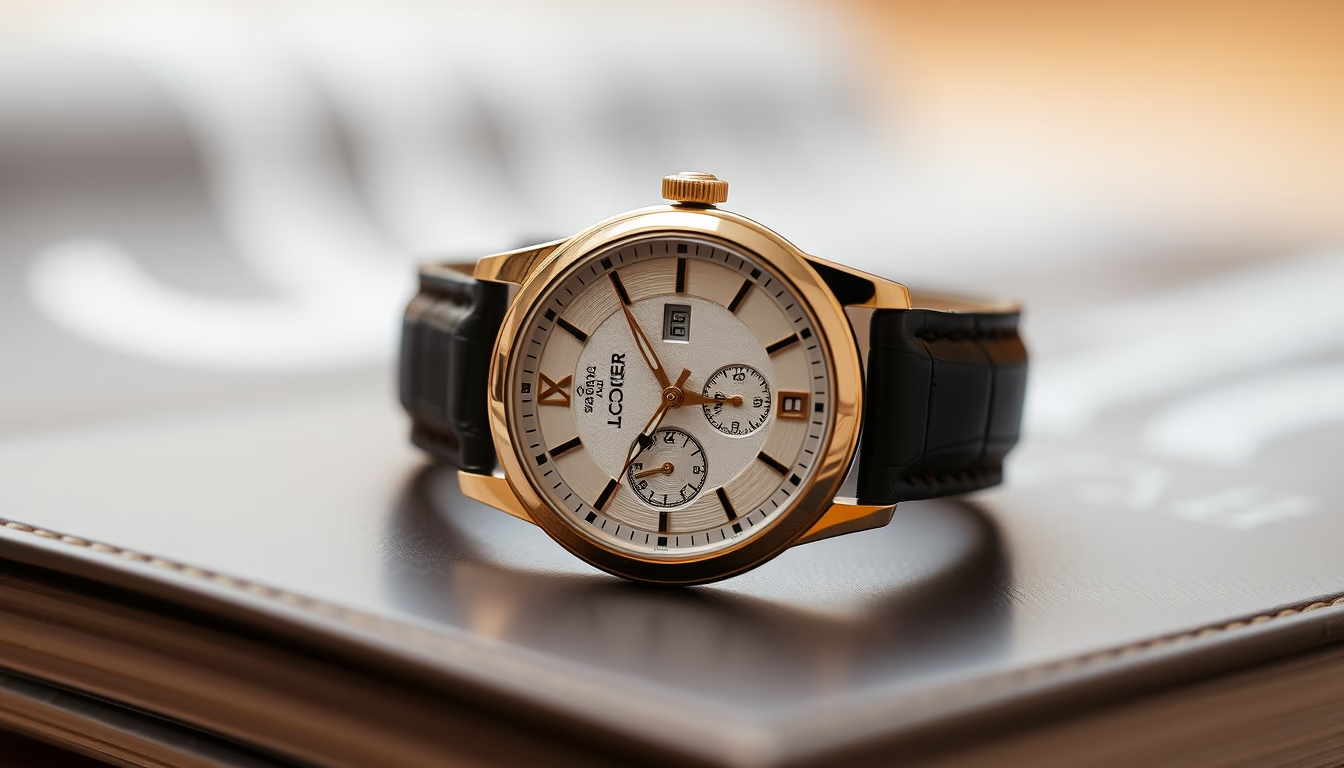
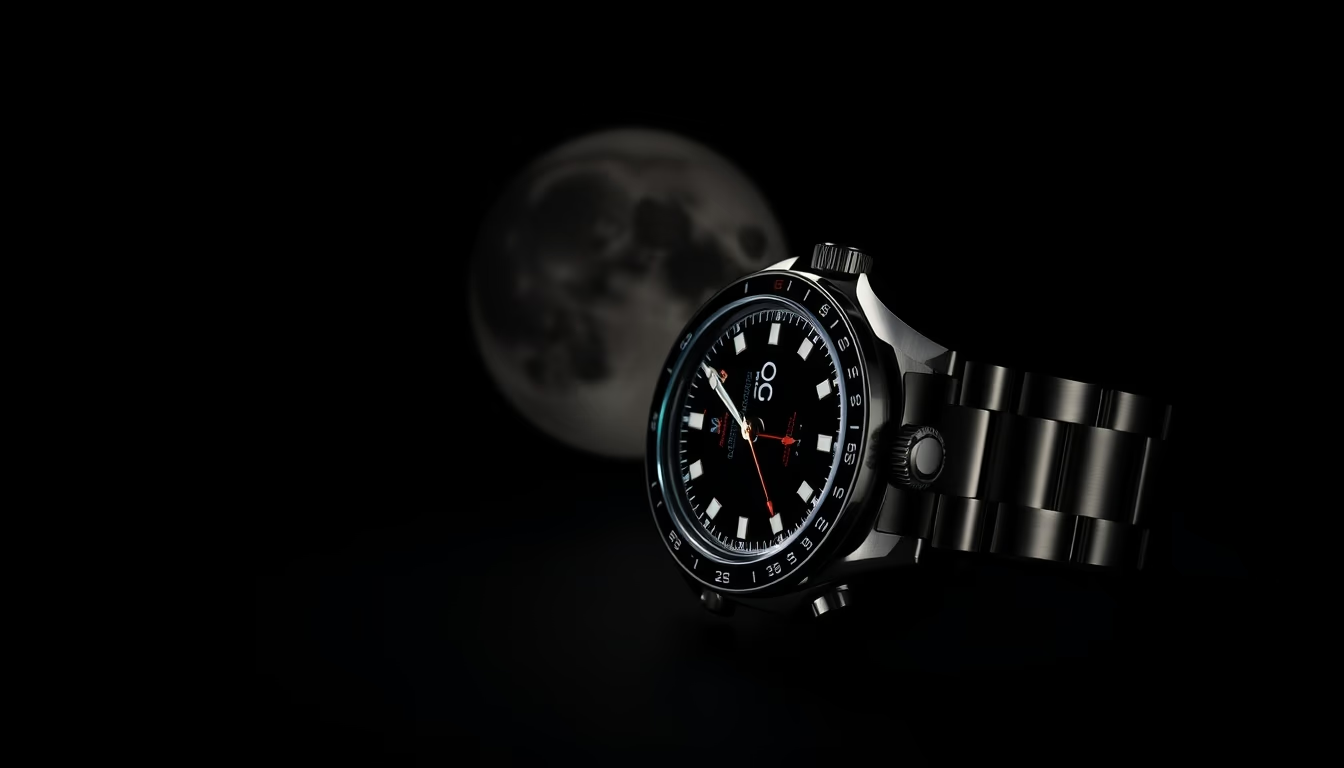
The Omega Speedmaster Moonwatch is the iconic chronograph that accompanied NASA astronauts on all six Moon landing missions, establishing itself as one of the most emblematic watches in history.
About this subject
The Omega Speedmaster, released in 1957, was originally designed to compete in the sports and automotive chronograph market. Its reputation changed forever in 1965 when NASA certified it for use in manned space flights after rigorous tests against extreme temperatures, vibration, and vacuum. The chosen model, reference ST 105.003, accompanied astronauts Ed White and James McDivitt on the Gemini 4 mission, and later became the official watch of the Apollo program.
The manual-wind caliber 861 (later 1861) is the heart of the Speedmaster Moonwatch, known for its reliability and precision. The 42 mm stainless steel case, black bezel with tachymeter insert, and hesalite crystal are classic features that have remained almost unchanged since the 1960s. Interestingly, the hesalite crystal, which is more prone to scratches, was preferred by NASA because it was less likely to shatter upon impact.
The cultural significance of the Moonwatch extends beyond space. It was worn by Buzz Aldrin when he stepped on the Moon in 1969, and also by many astronauts on later missions. In pop culture, it has appeared in films such as 'Apollo 13' and 'Interstellar', and is worn by celebrities like Tom Hanks and George Clooney. Omega continues to produce modern versions, including limited editions and the Speedmaster Professional model, still highly sought after by collectors.
Technically, the Moonwatch is a manual-wind chronograph with a power reserve of 48 hours. It features a stopwatch function with central seconds and 30-minute and 12-hour counters. The bezel has a tachymetric scale for speed measurement. Water resistance is 50 meters, sufficient for daily use but not for diving. The combination of history, timeless design, and robust engineering makes the Speedmaster a horological icon.
Frequently Asked Questions
Why is the Omega Speedmaster called the Moonwatch?
The nickname Moonwatch comes from the Speedmaster being the watch worn by NASA astronauts on all six missions that landed on the Moon between 1969 and 1972. It was the first watch worn on the lunar surface, especially by Buzz Aldrin on Apollo 11.
Is the Omega Speedmaster still used by NASA today?
Yes, NASA still uses the Speedmaster in space missions, although modern versions like the Speedmaster X-33 have been introduced. The manual-wind Professional model continues to be certified for extravehicular activities (EVA).
What is the difference between the Speedmaster with hesalite crystal and sapphire crystal?
The hesalite (acrylic) model has a more classic look and is more impact-resistant without shattering, but scratches more easily. The sapphire model has a harder, scratch-resistant crystal and a transparent case back showing the movement. Both have identical movements.
Direct URL
https://pub-c7d6a6ea828543ac903a74a341ccb2e1.r2.dev/imagens/omega-speedmaster-moon-commercial-product-photography-fresh11.avifHow to credit
Include a visible link back to UtilizAí. Copy one of the snippets below:
<a href="https://xn--utiliza-eza.com/en/midia/imagens/omega-speedmaster-moon-commercial-product-photography-fresh11">Omega speedmaster moon</a> by <a href="https://xn--utiliza-eza.com">UtilizAí</a>, licensed under <a href="https://creativecommons.org/licenses/by/4.0/">CC BY 4.0</a>.
[Omega speedmaster moon](https://xn--utiliza-eza.com/en/midia/imagens/omega-speedmaster-moon-commercial-product-photography-fresh11) by [UtilizAí](https://xn--utiliza-eza.com), CC BY 4.0
License: CC-BY-4.0