Olive oil pouring closeup
1344×768 · AVIF · CC BY 4.0
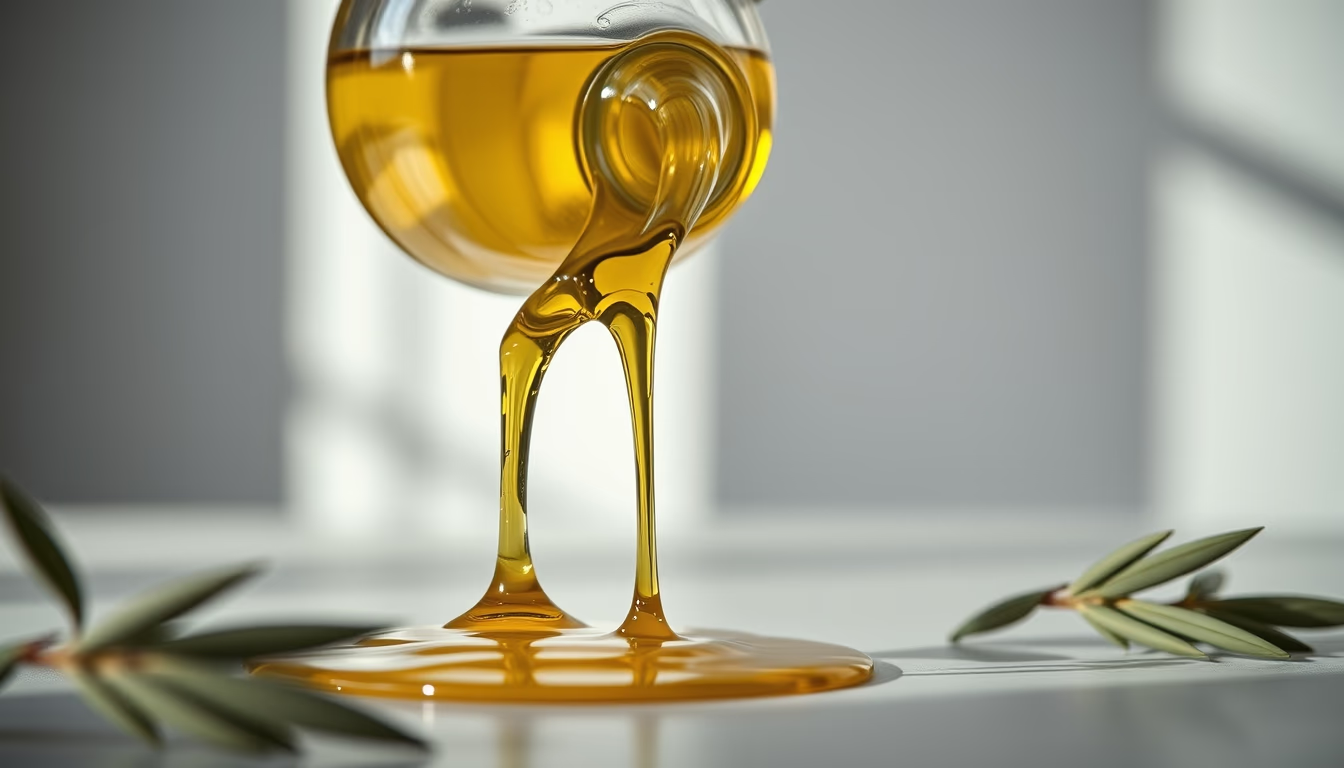
Extra virgin olive oil is a cornerstone of the Mediterranean diet, prized for its flavor and health benefits.
About this subject
Extra virgin olive oil is produced by cold-pressing olives without chemical solvents, preserving natural antioxidants such as polyphenols and vitamin E. Spain leads global production with about 40% of the total, followed by Italy and Greece. Each country has distinct olive varieties, like Arbequina in Spain, Coratina in Italy, and Koroneiki in Greece, which give the oil unique sensory profiles.
The extraction process begins with harvesting olives that must be processed within 24 hours to prevent fermentation. After washing and grinding, the paste is slowly churned (malaxation) to coalesce oil droplets, which are then separated by centrifugation. Extra virgin olive oil must have a free acidity below 0.8% and no sensory defects, making it the purest and healthiest grade.
Beyond its culinary use in salads, pasta, and meats, olive oil is studied for its cardioprotective, anti-inflammatory, and neuroprotective effects. The Mediterranean diet, rich in this ingredient, is linked to longevity and reduced chronic diseases. In Brazil, olive oil consumption has grown, with emphasis on European imports and, more recently, artisanal national productions in the Serra da Mantiqueira and Rio Grande do Sul.
Fun fact: the color of olive oil ranges from intense green to golden, depending on harvest time and filtration process. Unfiltered oils tend to be cloudier and more pungent, with higher solid particle content that intensifies flavor. To preserve its properties, olive oil should be stored in a dark place, away from heat and oxygen.
Frequently Asked Questions
What is the difference between extra virgin olive oil and regular olive oil?
Extra virgin olive oil is obtained from the first cold pressing, with acidity below 0.8% and no sensory defects. Regular (refined) olive oil undergoes chemical processes that remove impurities but also reduce nutrients.
How to identify a quality olive oil?
Check the label for the harvest date, maximum acidity (ideally below 0.5%), origin of olives, and certification seals like DOP or IGP. Oils in dark glass or tin containers are better protected from light.
Can olive oil be used for frying?
Yes, extra virgin olive oil has a smoke point between 190°C and 210°C, suitable for quick frying. However, for prolonged high heat, refined olive oil or avocado oil is preferable.
Direct URL
https://pub-c7d6a6ea828543ac903a74a341ccb2e1.r2.dev/imagens/olive-oil-pouring-closeup-minimalist-composition.avifHow to credit
Include a visible link back to UtilizAí. Copy one of the snippets below:
<a href="https://xn--utiliza-eza.com/en/midia/imagens/olive-oil-pouring-closeup-minimalist-composition">Olive oil pouring closeup</a> by <a href="https://xn--utiliza-eza.com">UtilizAí</a>, licensed under <a href="https://creativecommons.org/licenses/by/4.0/">CC BY 4.0</a>.
[Olive oil pouring closeup](https://xn--utiliza-eza.com/en/midia/imagens/olive-oil-pouring-closeup-minimalist-composition) by [UtilizAí](https://xn--utiliza-eza.com), CC BY 4.0
License: CC-BY-4.0