Olive oil pouring closeup
1344×768 · AVIF · CC BY 4.0
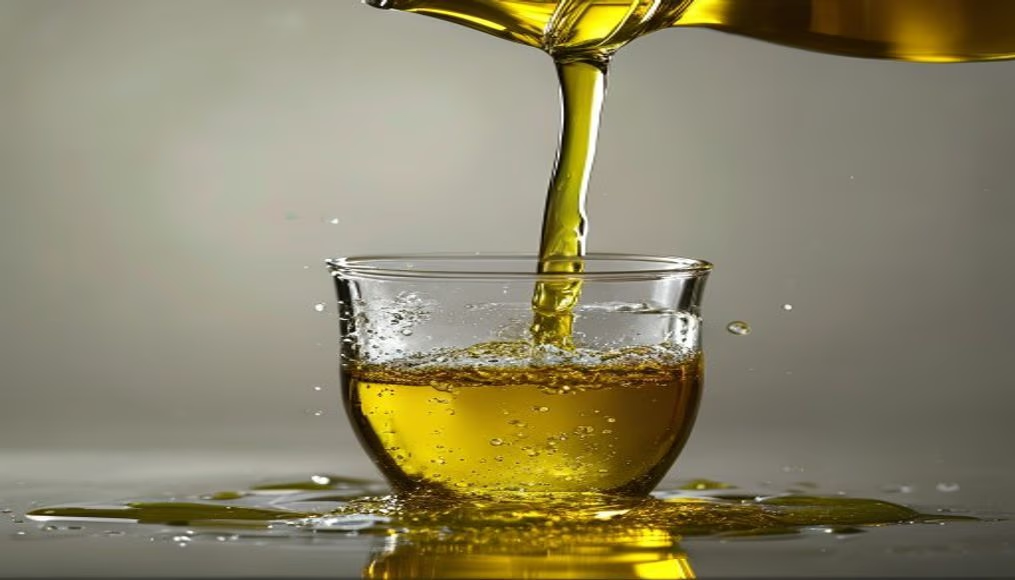
Extra virgin olive oil in motion reveals texture and color that indicate quality and freshness.
About this subject
Olive oil is a cornerstone of the Mediterranean diet and has gained prominence in Brazil, especially with the growth of national production in Rio Grande do Sul. The classification of olive oil depends on the extraction method and acidity: extra virgin, considered the finest, has a maximum acidity of 0.8% and is obtained solely by cold mechanical processes. Virgin olive oil has acidity up to 2%, while refined oils undergo chemical processes that alter their properties.
Nutritionally, extra virgin olive oil is rich in monounsaturated fatty acids (omega-9) and antioxidants such as polyphenols and vitamin E. These compounds help reduce LDL cholesterol and protect against cardiovascular diseases. In cooking, it is best consumed raw in salads and as a finishing oil, as excessive heat degrades its beneficial compounds. However, for light sautéing, olive oil can withstand moderate temperatures without entirely losing its qualities.
The color of olive oil can range from golden yellow to intense green, depending on the olive variety and harvest time. Greener oils generally indicate earlier harvested fruits, with a more bitter and pungent flavor. The texture in motion, such as when pouring, can reveal viscosity and the presence of sediments, indicators of freshness. To preserve, store olive oil in a dark, cool place away from heat and light, which accelerate oxidation.
Frequently Asked Questions
What is the difference between extra virgin and virgin olive oil?
Extra virgin olive oil has a maximum acidity of 0.8% and is extracted solely by cold mechanical processes, preserving more antioxidants and flavor. Virgin olive oil has acidity up to 2% but is still obtained mechanically, making it of lower quality.
How can I tell if olive oil is of good quality?
Check the label: extra virgin, harvest date (the fresher the better), origin, and acidity. Oils in dark glass bottles protect against light. The flavor should be fruity with balanced bitterness and pungency.
Can olive oil be used for frying?
Yes, but prefer refined or virgin olive oils, which withstand higher temperatures. Extra virgin loses properties when heated above 180°C. For deep frying, oils with higher smoke points like avocado oil are more suitable.
Direct URL
https://pub-c7d6a6ea828543ac903a74a341ccb2e1.r2.dev/imagens/olive-oil-pouring-closeup-commercial-product-photography-v9.avifHow to credit
Include a visible link back to UtilizAí. Copy one of the snippets below:
<a href="https://xn--utiliza-eza.com/en/midia/imagens/olive-oil-pouring-closeup-commercial-product-photography-v9">Olive oil pouring closeup</a> by <a href="https://xn--utiliza-eza.com">UtilizAí</a>, licensed under <a href="https://creativecommons.org/licenses/by/4.0/">CC BY 4.0</a>.
[Olive oil pouring closeup](https://xn--utiliza-eza.com/en/midia/imagens/olive-oil-pouring-closeup-commercial-product-photography-v9) by [UtilizAí](https://xn--utiliza-eza.com), CC BY 4.0
License: CC-BY-4.0