Mushroom macro forest floor
1344×768 · AVIF · CC BY 4.0
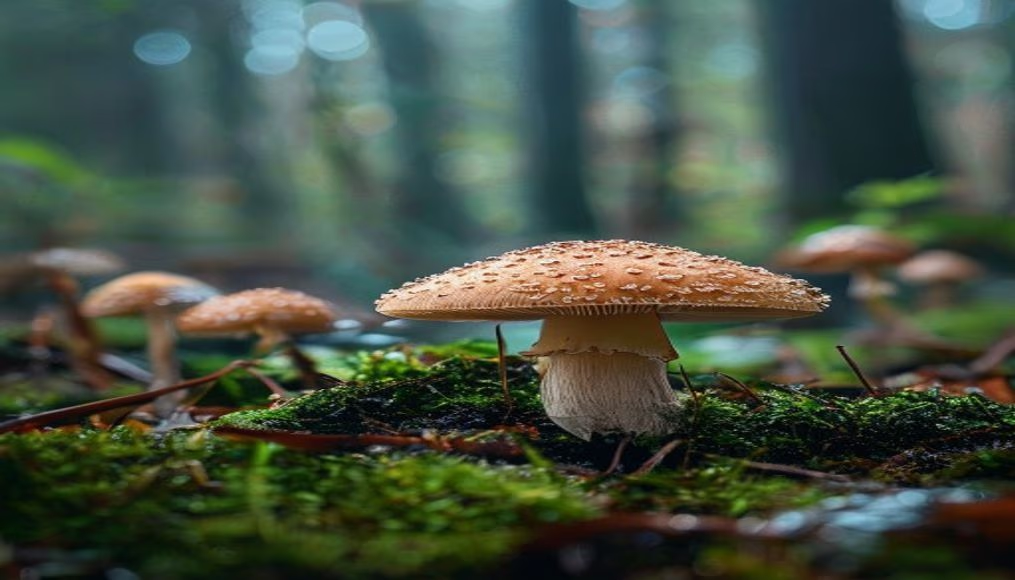
Mushrooms on the forest floor reveal the complex fungal network that recycles nutrients and connects plants in tropical and temperate ecosystems.
About this subject
Mushrooms are the visible reproductive structures of fungi living in the forest floor. The main body of the organism, the mycelium, is an underground network of thread-like hyphae that can stretch for kilometers. This network acts as a natural recycling system: it decomposes organic matter such as fallen leaves and dead wood, releasing essential nutrients back into the soil. Without this process, forests would accumulate debris and the carbon cycle would be disrupted.
In Brazil, mushroom diversity is immense, especially in the Amazon and Atlantic Forest. It is estimated that there are over 4,000 species of macrofungi in the country, many still undescribed. Among them, some are edible, like Lentinula edodes (shiitake), while others, such as Amanita muscaria, are toxic. Correct identification is crucial to avoid poisoning. Additionally, many species form symbiotic relationships with tree roots, called mycorrhizae, exchanging nutrients for carbohydrates. About 90% of plants depend on this association.
Mushrooms also play cultural and economic roles. In Brazilian cuisine, the use of fresh mushrooms has grown, driven by markets like São Paulo. In folk medicine, species such as Ganoderma lucidum are used in teas for their immune-boosting properties. However, indiscriminate harvesting can threaten native populations. Conserving forest habitats is essential to maintain this unique genetic bank.
Interestingly, mushrooms are neither plants nor animals; they belong to the kingdom Fungi. Unlike plants, they do not perform photosynthesis; they obtain energy by breaking down organic molecules. This metabolism makes them essential in nutrient cycling, especially in old-growth forests where leaf litter is thick. Recent studies show that fungi also facilitate communication between trees, forming the so-called "Wood Wide Web," a network that allows chemical signaling and resource allocation among individuals.
Frequently Asked Questions
What is the difference between a mushroom and a fungus?
The mushroom is the visible, reproductive part of a fungus. The fungus body, called mycelium, lives in soil or organic matter and is made of microscopic threads. The mushroom emerges only to produce and release spores.
Are all forest mushrooms edible?
No. Many mushrooms are toxic or poisonous. Correct identification requires expert knowledge. In Brazil, species like Amanita muscaria and Galerina marginata are dangerous. Never consume wild mushrooms without guidance from a specialist.
How do mushrooms help trees?
Through mycorrhizal associations, the fungal mycelium connects to tree roots, supplying water and mineral nutrients (such as phosphorus and nitrogen) in exchange for carbohydrates produced by photosynthesis. This symbiosis is essential for the health of many forests.
Direct URL
https://pub-c7d6a6ea828543ac903a74a341ccb2e1.r2.dev/imagens/mushroom-macro-forest-floor-commercial-product-photography-v9.avifHow to credit
Include a visible link back to UtilizAí. Copy one of the snippets below:
<a href="https://xn--utiliza-eza.com/en/midia/imagens/mushroom-macro-forest-floor-commercial-product-photography-v9">Mushroom macro forest floor</a> by <a href="https://xn--utiliza-eza.com">UtilizAí</a>, licensed under <a href="https://creativecommons.org/licenses/by/4.0/">CC BY 4.0</a>.
[Mushroom macro forest floor](https://xn--utiliza-eza.com/en/midia/imagens/mushroom-macro-forest-floor-commercial-product-photography-v9) by [UtilizAí](https://xn--utiliza-eza.com), CC BY 4.0
License: CC-BY-4.0