Murano glass venetian
1344×768 · AVIF · CC BY 4.0
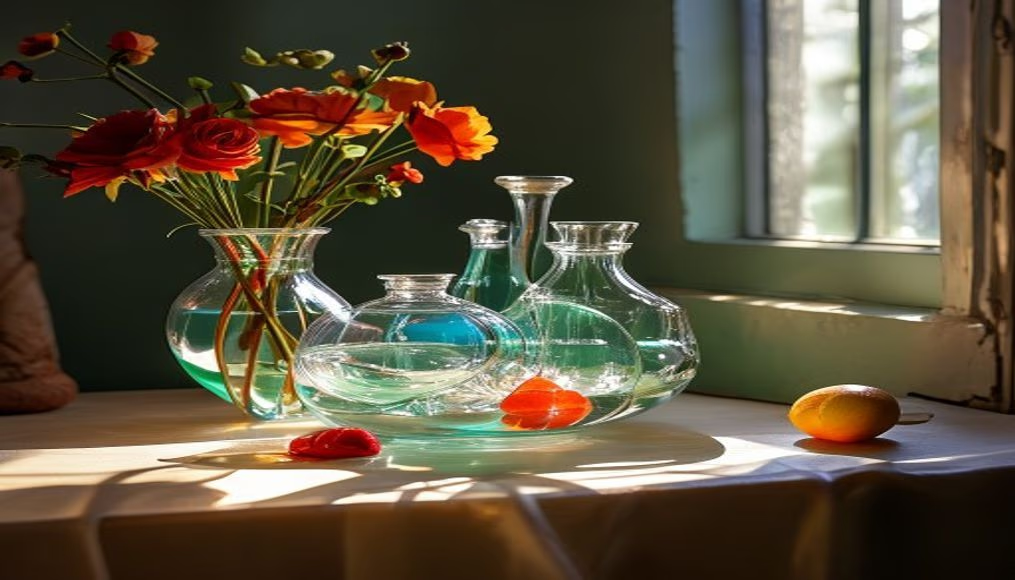
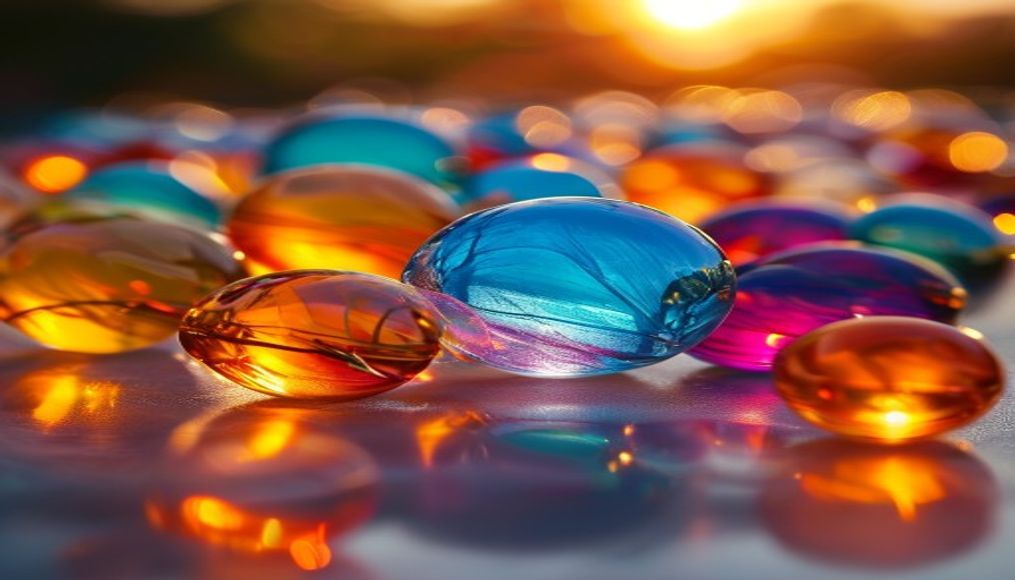
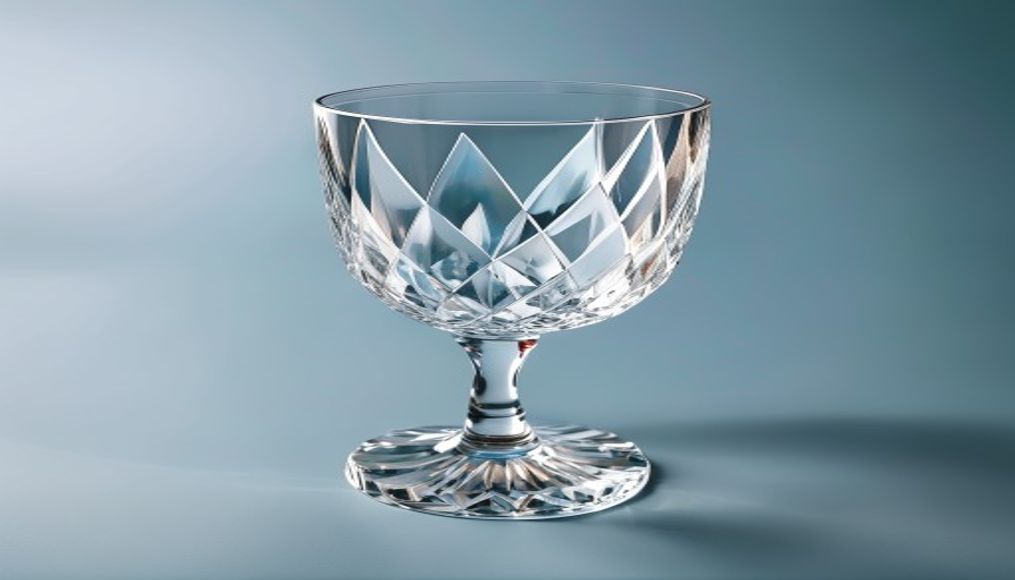
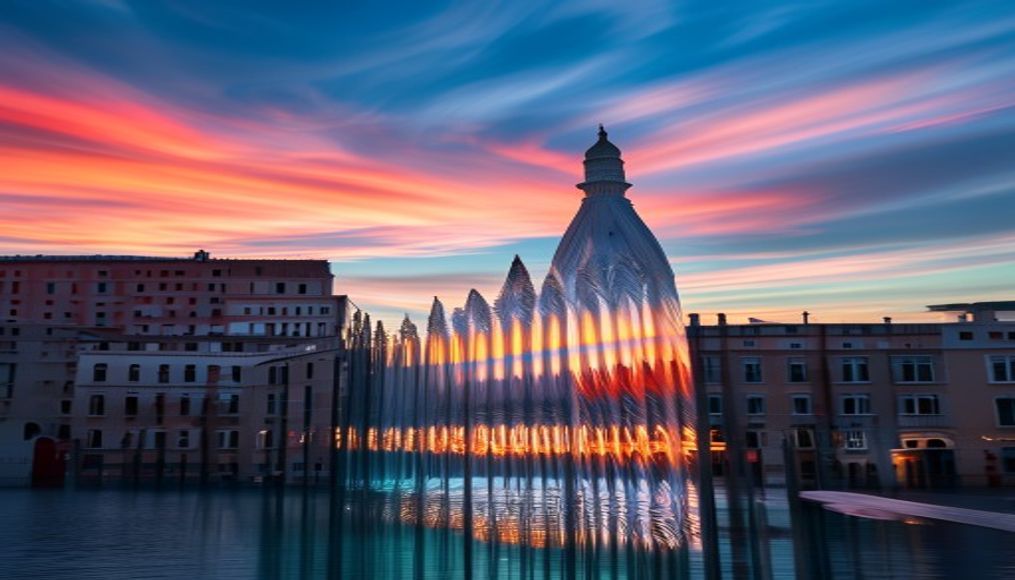
Murano glass is a symbol of Venetian artisanal tradition, world-famous for its vibrant colors and centuries-old techniques.
About this subject
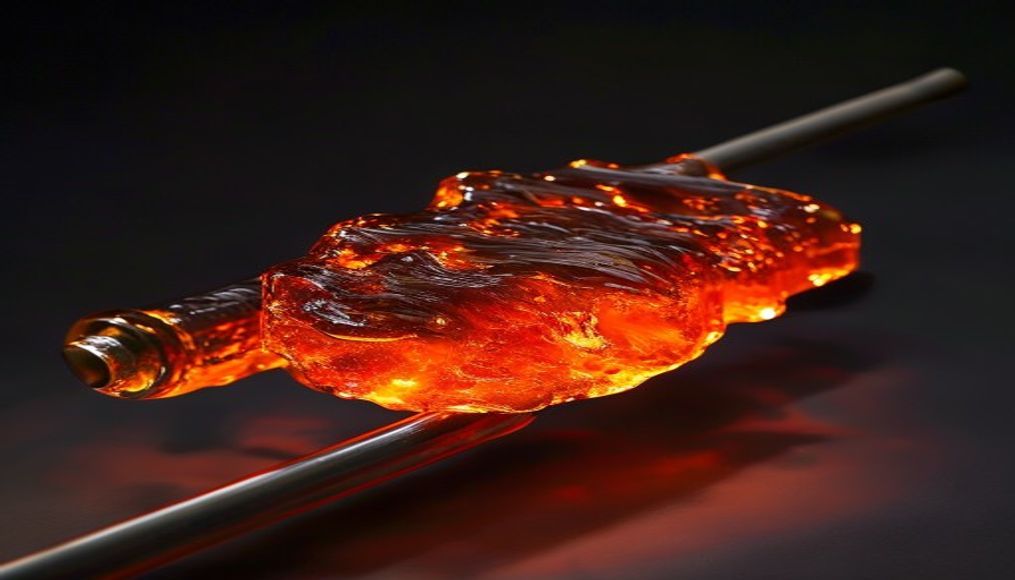
Murano glass originates from the island of Murano in the Venetian Lagoon, where in the 13th century the Republic of Venice relocated all glassmakers to prevent fires in the city and protect trade secrets. This small island became the epicenter of a craft that blends manual skill, chemistry, and artistry. Techniques developed there, such as blown glass, filigree, millefiori, and latticino, have been passed down through generations and are still practiced by master glassblowers today.
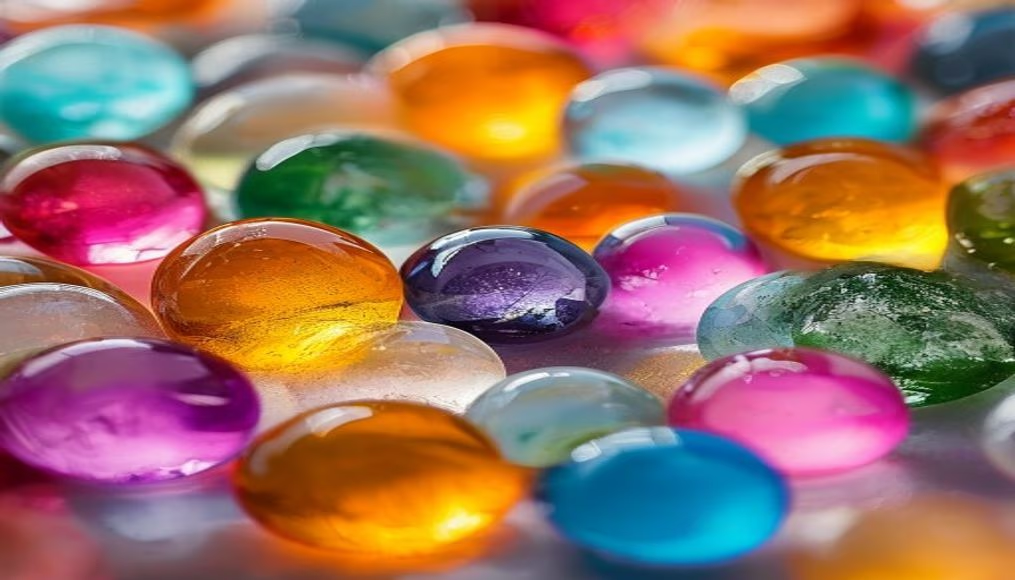
The fame of Murano glass rests on the purity of its raw materials and the mastery of its artisans. Using silica sand, soda, and potash, glassmakers achieve exceptional clarity and brightness. Adding metallic oxides produces a vivid color palette: cobalt blue, selenium red, and emerald green are some of the hallmark hues. Objects such as vases, glasses, chandeliers, and sculptures are prized worldwide for their aesthetic beauty and the history they embody.
An intriguing fact is that Murano glass masters enjoyed special privileges, such as the right to bear swords and tax exemptions, but were forbidden to leave the island under penalty of death, to prevent secrets from being taken elsewhere. This protection kept the art exclusive for centuries. Today, the island houses the Museo del Vetro, which traces the history of glass from Roman times to contemporary creations, and workshops still produce pieces that captivate collectors and tourists.
Frequently Asked Questions
How is Murano glass made?
Murano glass is made from silica sand, soda, and potash, melted in furnaces at high temperatures. Artisans use techniques such as blowing, shaping, and adding metallic oxides to create colors and forms. The process is entirely manual and requires years of training.
What is the difference between Murano glass and ordinary glass?
Murano glass stands out for its pure raw materials, vibrant colors from metallic oxides, and traditional techniques like filigree and millefiori. Ordinary glass is industrially produced, with lower quality and less craftsmanship.
Why is Murano glass so expensive?
The high price reflects the intensive manual labor, the skill of master glassblowers, the exclusivity of materials, and the historical and cultural value. Each piece is unique and may take days to complete.
Direct URL
https://pub-c7d6a6ea828543ac903a74a341ccb2e1.r2.dev/imagens/murano-glass-venetian-studio-still-life-p3.avifHow to credit
Include a visible link back to UtilizAí. Copy one of the snippets below:
<a href="https://xn--utiliza-eza.com/en/midia/imagens/murano-glass-venetian-studio-still-life-p3">Murano glass venetian</a> by <a href="https://xn--utiliza-eza.com">UtilizAí</a>, licensed under <a href="https://creativecommons.org/licenses/by/4.0/">CC BY 4.0</a>.
[Murano glass venetian](https://xn--utiliza-eza.com/en/midia/imagens/murano-glass-venetian-studio-still-life-p3) by [UtilizAí](https://xn--utiliza-eza.com), CC BY 4.0
License: CC-BY-4.0