Mrna vaccine vial closeup
1344×768 · AVIF · CC BY 4.0
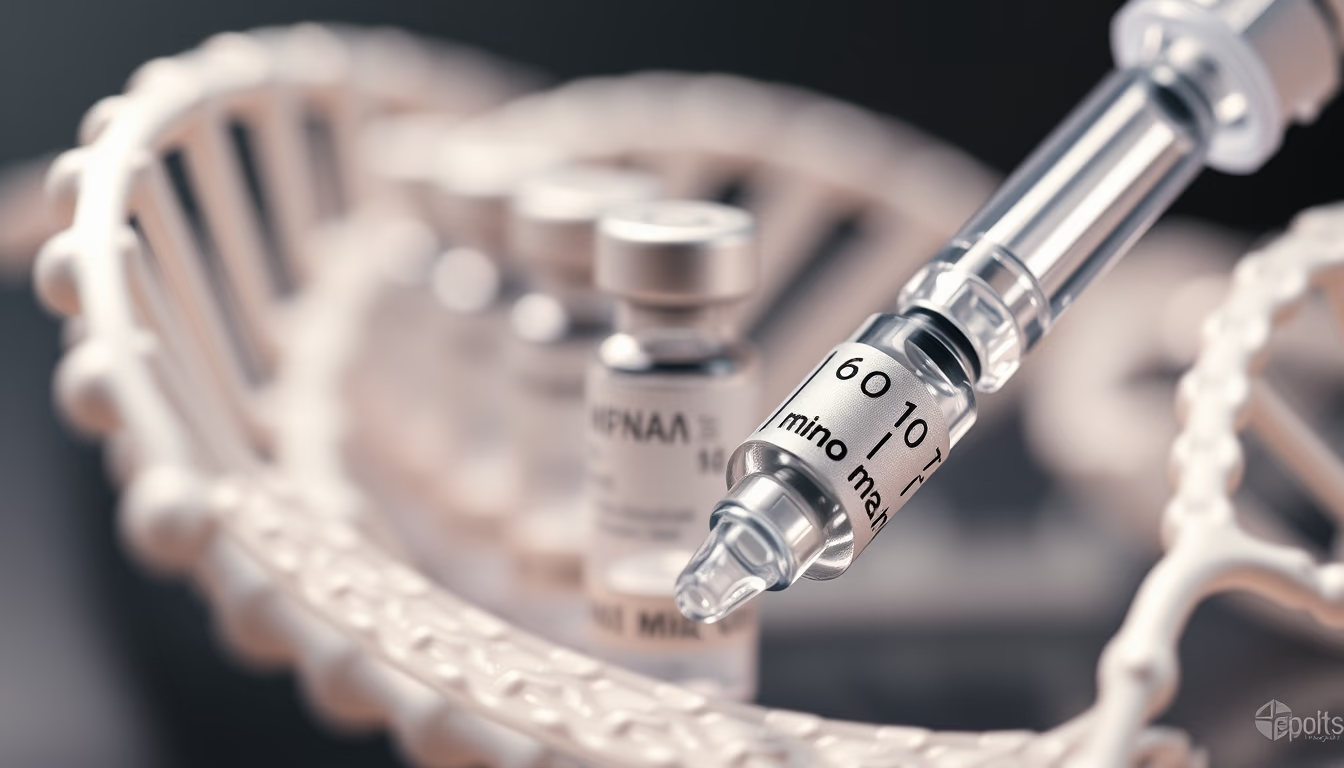
Close-up of an mRNA vaccine vial: the technology that revolutionized COVID-19 immunization with speed and efficacy.
About this subject
mRNA vaccines represent a milestone in medical history. Unlike traditional vaccines that use inactivated viruses or proteins, mRNA vaccines instruct cells to produce a harmless piece of the pathogen's protein, triggering an immune response. This technology was first deployed on a large scale during the COVID-19 pandemic, with Pfizer-BioNTech and Moderna vaccines achieving over 90% efficacy in preventing severe disease.
The vial storing the mRNA vaccine is a critical component of the cold chain. Because mRNA is fragile, these vaccines must be kept at ultra-cold temperatures, ranging from -80 °C to -20 °C depending on the formulation. Vials are typically made of borosilicate glass with butyl rubber stoppers and aluminum seals, designed to prevent contamination and maintain thermal stability.
Each vial can contain multiple doses, typically 5 to 10 doses per container. Dilution with saline solution is required before administration. The pandemic accelerated mass production of these vials, necessitating global logistical networks. The development of mRNA vaccines took less than a year, an unprecedented achievement that saved millions of lives.
Beyond COVID-19, mRNA technology is being researched for other diseases such as influenza, Zika, rabies, and even certain cancers. The versatility and rapid adaptability make mRNA a promising platform for the future of vaccinology.
Frequently Asked Questions
How do mRNA vaccines work?
mRNA vaccines contain genetic instructions for cells to produce a specific protein from the pathogen, such as the coronavirus spike protein. The immune system recognizes this protein as foreign and creates antibodies and memory cells to fight future infections.
Why do mRNA vaccines need ultra-cold storage?
mRNA is an unstable molecule that degrades quickly at higher temperatures. Therefore, vaccines must be stored in special freezers between -80 °C and -20 °C to maintain their effectiveness until administration.
Can mRNA vaccines alter human DNA?
No. mRNA does not enter the cell nucleus, where DNA is located. It stays in the cytoplasm and is degraded after instructing protein production. Thus, there is no risk of integration or alteration of the human genome.
Direct URL
https://pub-c7d6a6ea828543ac903a74a341ccb2e1.r2.dev/imagens/mrna-vaccine-vial-closeup-tilt-shift-miniature-p5.avifHow to credit
Include a visible link back to UtilizAí. Copy one of the snippets below:
<a href="https://xn--utiliza-eza.com/en/midia/imagens/mrna-vaccine-vial-closeup-tilt-shift-miniature-p5">Mrna vaccine vial closeup</a> by <a href="https://xn--utiliza-eza.com">UtilizAí</a>, licensed under <a href="https://creativecommons.org/licenses/by/4.0/">CC BY 4.0</a>.
[Mrna vaccine vial closeup](https://xn--utiliza-eza.com/en/midia/imagens/mrna-vaccine-vial-closeup-tilt-shift-miniature-p5) by [UtilizAí](https://xn--utiliza-eza.com), CC BY 4.0
License: CC-BY-4.0