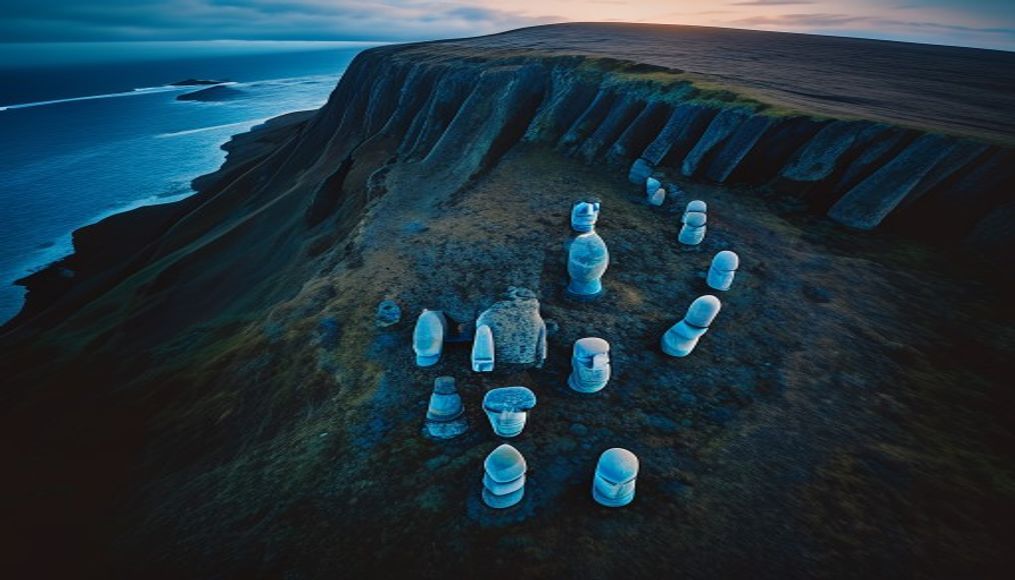
Mount fuji winter snow
1344×768 · AVIF · CC BY 4.0

Mount Fuji covered in winter snow is an iconic symbol of Japan, attracting photographers and tourists from around the world.
About this subject
Mount Fuji, standing at 3,776 meters (12,389 feet), is Japan's highest mountain and one of its most enduring national symbols. Located on Honshu Island about 100 km southwest of Tokyo, Fuji is an active stratovolcano whose last eruption occurred in 1707. In winter, its summit is capped with snow, creating a breathtaking landscape that has inspired artists, poets, and travelers for centuries.
Snow begins to accumulate on Fuji usually in October and lasts until June, with peak coverage from January to March. During this season, the mountain is especially photographed under clear skies and crisp air, enhancing its perfect conical shape. The Fuji Five Lakes region (Fujigoko) offers prime views, with Lake Kawaguchi being one of the most popular spots.
Culturally, Mount Fuji is considered sacred in Shinto and Buddhism. Pilgrims have ascended the mountain for centuries, though the official climbing season is only from July to September. In 2013, it was designated a UNESCO World Heritage Site as a "sacred place and source of artistic inspiration." The image of snow-capped Fuji appears in countless works, from the famous ukiyo-e prints of Hokusai and Hiroshige to modern media.
The phenomenon of snow-covered Fuji is also associated with the concept of "yukiguni" (snow country) and influences winter tourism in Japan. Traditional inns (ryokan) offer rooms with mountain views, and boat rides on frozen lakes are common. Despite the harsh cold, which can reach -20°C at the summit, the serene beauty of snowy Fuji attracts visitors seeking a unique spiritual and aesthetic experience.
Frequently Asked Questions
What is the best time to see Mount Fuji with snow?
Snow cover on Fuji's summit typically lasts from October to June, but January through March offer the most reliable snow and clear skies.
Can you climb Mount Fuji in winter?
Yes, but winter climbing is extremely dangerous and requires specialized equipment and an experienced guide. The official climbing season is July to September.
Why is Mount Fuji considered sacred?
In Shinto and Buddhism, Fuji is seen as a sacred site, home to deities. Pilgrims climbed as an act of devotion, and shrines remain at its base and summit today.
Direct URL
https://pub-c7d6a6ea828543ac903a74a341ccb2e1.r2.dev/imagens/mount-fuji-winter-snow-high-fashion-editorial-p5.avifHow to credit
Include a visible link back to UtilizAí. Copy one of the snippets below:
<a href="https://xn--utiliza-eza.com/en/midia/imagens/mount-fuji-winter-snow-high-fashion-editorial-p5">Mount fuji winter snow</a> by <a href="https://xn--utiliza-eza.com">UtilizAí</a>, licensed under <a href="https://creativecommons.org/licenses/by/4.0/">CC BY 4.0</a>.
[Mount fuji winter snow](https://xn--utiliza-eza.com/en/midia/imagens/mount-fuji-winter-snow-high-fashion-editorial-p5) by [UtilizAí](https://xn--utiliza-eza.com), CC BY 4.0
License: CC-BY-4.0