Mother and child at vaccination clinic
1344×768 · AVIF · CC BY 4.0
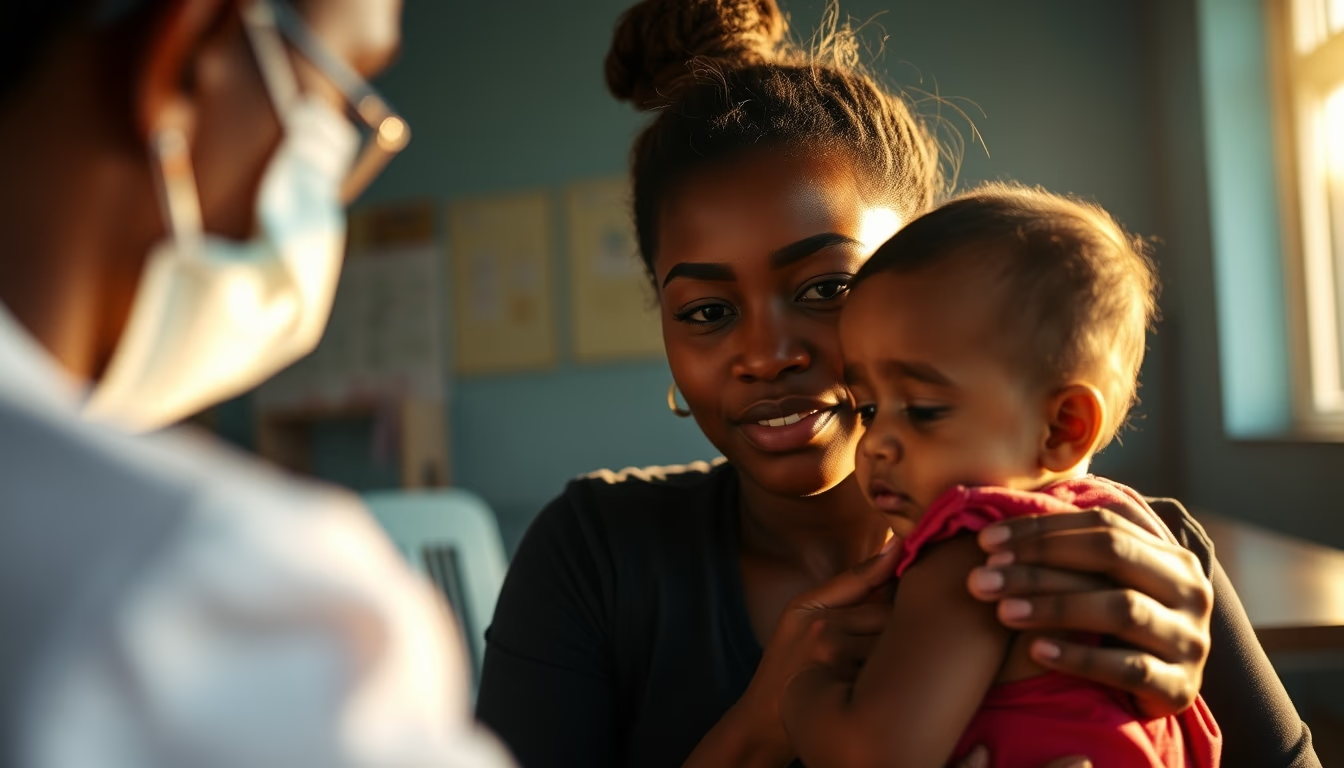
Mother and child at a vaccination clinic in the late afternoon: a snapshot of routine childhood immunization in Brazil.
About this subject
Childhood vaccination is a cornerstone of public health in Brazil, having drastically reduced diseases like polio, measles, and rubella. The National Immunization Program (PNI), established in 1973, offers over 20 vaccines free of charge through the public health system (SUS), from birth to adulthood. This image shows a mother and her child at a vaccination clinic, likely during a multi-vaccination campaign or routine check-up. Brazil's basic vaccination schedule includes doses at birth (BCG and hepatitis B), at 2, 4, and 6 months (pentavalent, IPV, pneumococcal, rotavirus), and boosters throughout childhood. Parental accompaniment is mandatory for minors, and the late afternoon hour is typical for appointments at basic health units, which usually operate from 7 am to 5 pm. Although Brazil historically had high vaccination coverage, recent years have seen a decline, with measles immunization dropping from 96% in 2015 to around 70% in 2022, leading to outbreaks and intensified campaigns. The scene also reflects maternal care and trust in vaccines, crucial for collective health. Vaccination clinics are welcoming spaces for prevention, where nurses administer doses and provide guidance on mild side effects like fever or soreness. Operating during business hours facilitates access for working parents, although the lack of extended hours remains a challenge in some areas.
Frequently Asked Questions
Why is childhood vaccination so important in Brazil?
Childhood vaccination is crucial to prevent serious and potentially fatal diseases like measles, polio, and meningitis. Brazil maintains a mandatory national vaccination schedule, ensuring herd immunity and preventing outbreaks.
What is the mother's role at the vaccination clinic?
The mother is responsible for bringing the child, authorizing the vaccine, and providing health information. In Brazil, parental accompaniment is mandatory for minors, and maternal presence is common throughout the process.
What to expect when taking a child for vaccination?
Upon arrival, the child is assessed by a health professional, who checks the vaccination card and administers the indicated dose. Mild reactions like fever or soreness at the injection site may occur, usually resolving within 24 to 48 hours.
Direct URL
https://pub-c7d6a6ea828543ac903a74a341ccb2e1.r2.dev/imagens/mother-and-child-at-vaccination-clinic-wide-late-afternoon-4.avifHow to credit
Include a visible link back to UtilizAí. Copy one of the snippets below:
<a href="https://xn--utiliza-eza.com/en/midia/imagens/mother-and-child-at-vaccination-clinic-wide-late-afternoon-4">Mother and child at vaccination clinic</a> by <a href="https://xn--utiliza-eza.com">UtilizAí</a>, licensed under <a href="https://creativecommons.org/licenses/by/4.0/">CC BY 4.0</a>.
[Mother and child at vaccination clinic](https://xn--utiliza-eza.com/en/midia/imagens/mother-and-child-at-vaccination-clinic-wide-late-afternoon-4) by [UtilizAí](https://xn--utiliza-eza.com), CC BY 4.0
License: CC-BY-4.0