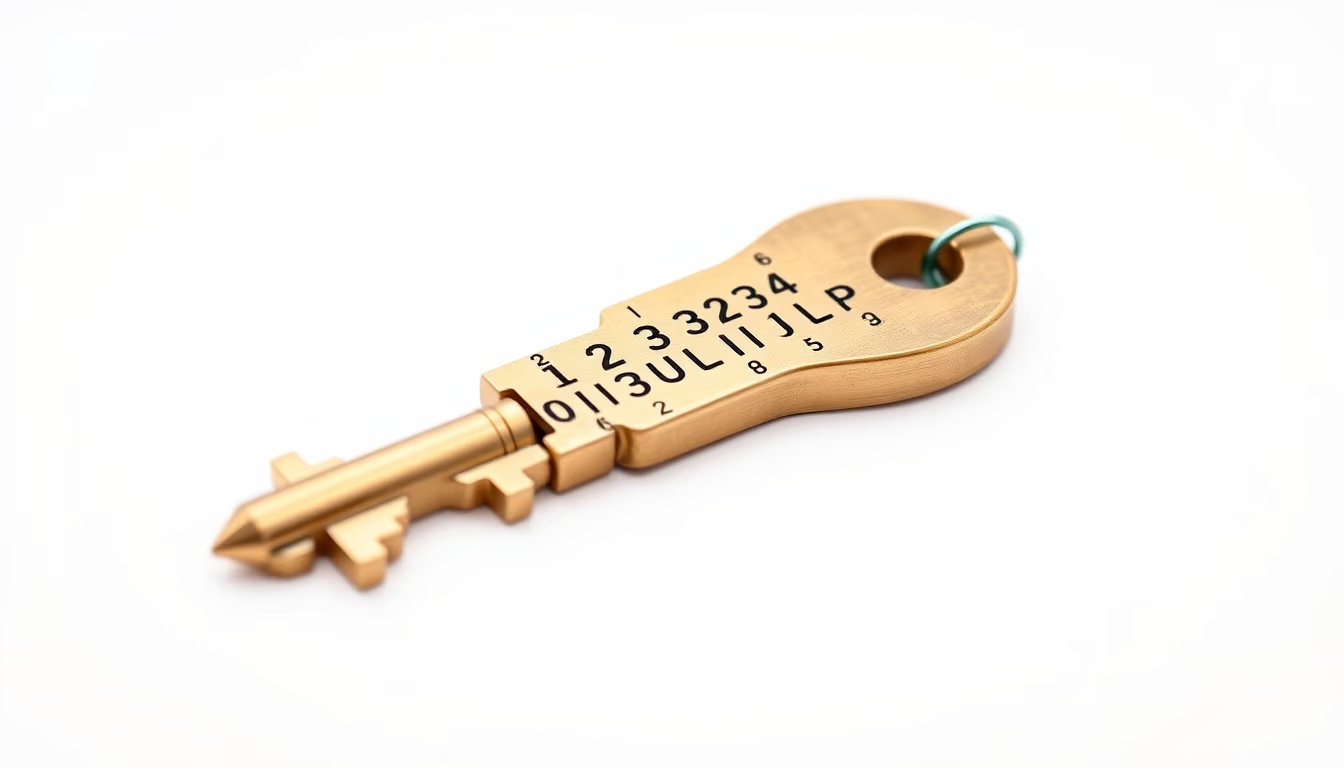
Morse code key brass
1344×768 · AVIF · CC BY 4.0
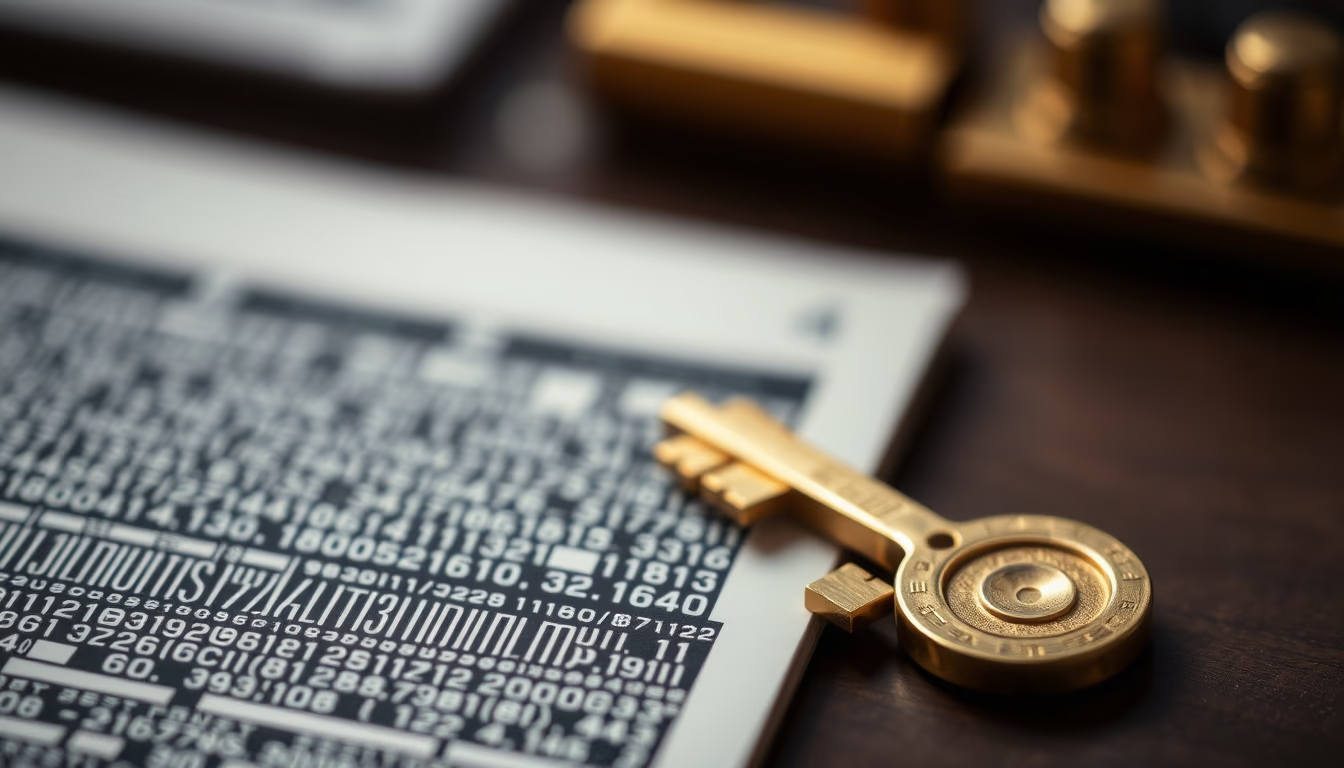
Brass telegraph key, an essential instrument for transmitting Morse code, which revolutionized communications in the 19th century.
About this subject
The telegraph key, also known as a Morse code key, is an electrical device that allows manual transmission of Morse code signals. Invented by Samuel Morse and Alfred Vail in the 1830s, the original key was a simple switch that closed and opened an electrical circuit. The operator pressed the lever to generate short signals (dots) and long signals (dashes), creating the famous code. Brass keys became popular for their durability and electrical conductivity. Classic models, such as the J-38 key used by the U.S. Army Signal Corps, are highly valued collector's items.
The use of Morse code peaked between the late 19th and mid-20th centuries, when the telegraph was the primary means of instant long-distance communication. Submarine cables and overland telegraph lines connected continents, and trained operators could transmit up to 40 words per minute. The Morse key played a crucial role in historical events, such as the sinking of the Titanic, where operators sent distress calls in CQD and SOS.
With the advancement of technology, the telegraph was replaced by the telephone and the internet, but Morse code is still used in specific contexts, such as in aviation for identification beacons, in amateur radio by enthusiasts, and by people with communication disabilities. The brass key remains an icon of 19th-century engineering and a symbol of the telegraphic communication era.
Frequently Asked Questions
How does a Morse code key work?
The Morse key is a switch that, when pressed, closes an electrical circuit, allowing current to flow. The duration of contact determines whether the signal is a dot (short) or a dash (long). The operator manually controls the lever to form letters and numbers in Morse code.
Why is brass used in vintage Morse keys?
Brass is a durable, corrosion-resistant material that is also a good electrical conductor. Its malleability allowed for the production of precise parts with reliable electrical contact, ensuring the dependability needed for telegraph signal transmission.
Is Morse code still used today?
Yes, though rarely. It is used by amateur radio operators, in aviation identification beacons (VOR/NDB), and by people with motor or speech disabilities as an alternative communication method. It is also required for obtaining amateur radio licenses in some countries.
Direct URL
https://pub-c7d6a6ea828543ac903a74a341ccb2e1.r2.dev/imagens/morse-code-key-brass-tilt-shift-miniature-fresh7.avifHow to credit
Include a visible link back to UtilizAí. Copy one of the snippets below:
<a href="https://xn--utiliza-eza.com/en/midia/imagens/morse-code-key-brass-tilt-shift-miniature-fresh7">Morse code key brass</a> by <a href="https://xn--utiliza-eza.com">UtilizAí</a>, licensed under <a href="https://creativecommons.org/licenses/by/4.0/">CC BY 4.0</a>.
[Morse code key brass](https://xn--utiliza-eza.com/en/midia/imagens/morse-code-key-brass-tilt-shift-miniature-fresh7) by [UtilizAí](https://xn--utiliza-eza.com), CC BY 4.0
License: CC-BY-4.0