Morse code key brass
1344×768 · AVIF · CC BY 4.0
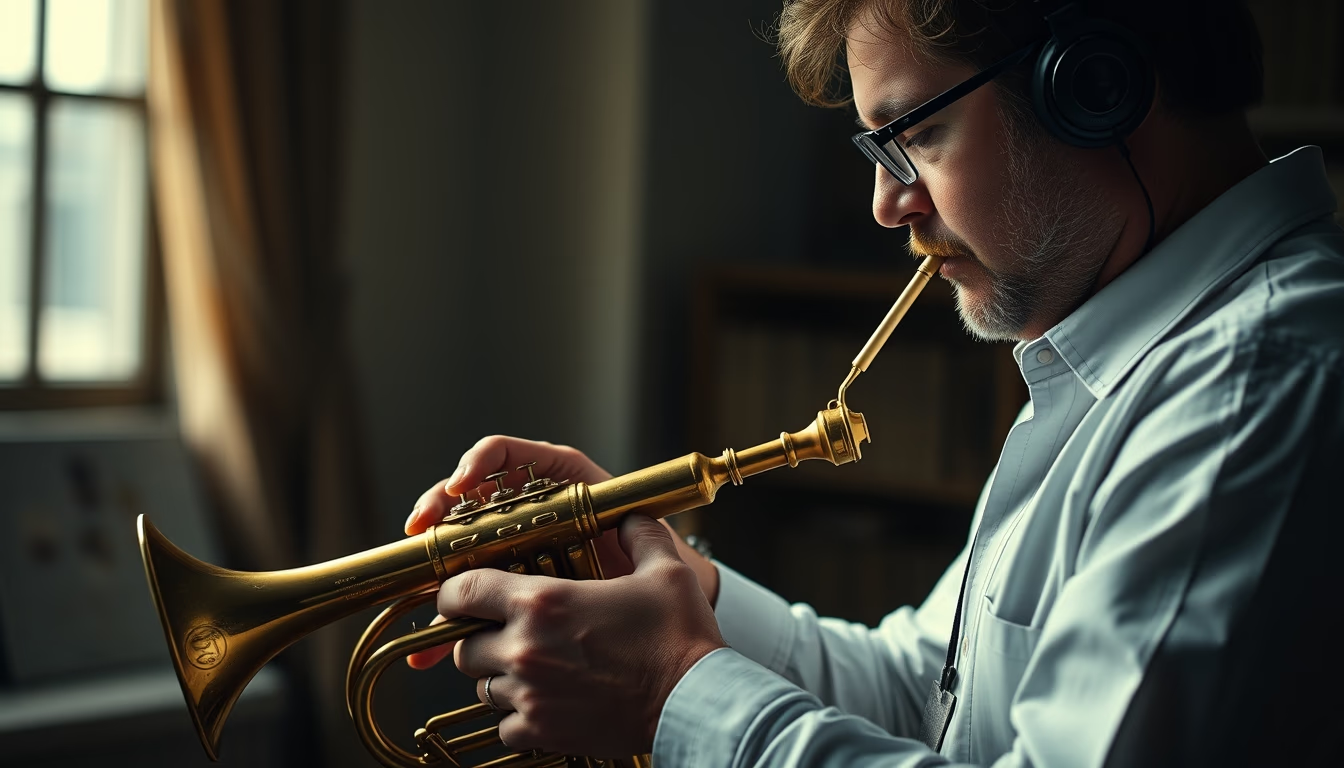
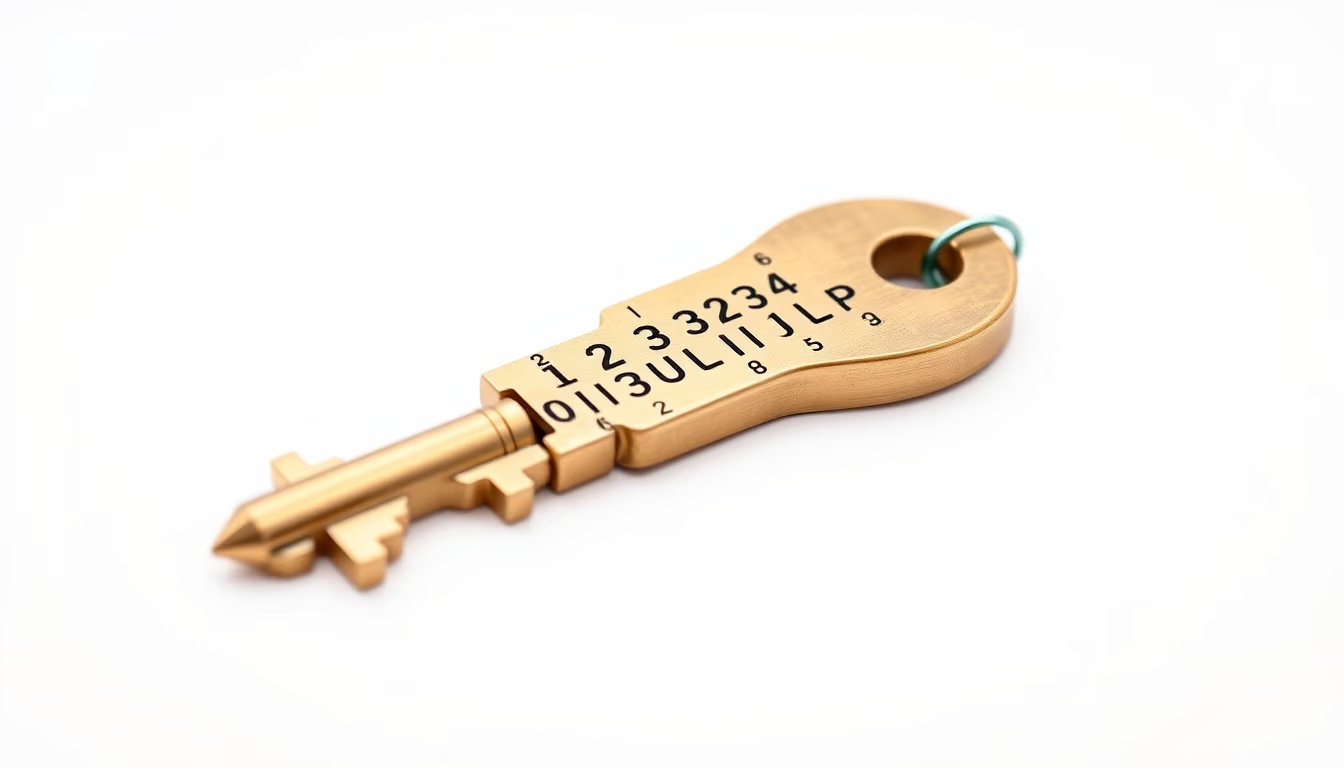
Brass telegraph key used to transmit Morse code, a central piece of 19th-century telegraphic communication.
About this subject
The brass telegraph key, also known as a Morse manipulator, was the primary device for sending coded electrical signals through telegraph lines. Invented by Alfred Vail and Samuel Morse in the 1830s, the key allowed the operator to quickly open and close an electrical circuit, generating short and long pulses corresponding to dots and dashes of Morse code. The classic model, made of brass, features a pivoted lever with a contact at the end that touches a metal pin when pressed, completing the circuit.
Brass was the preferred material for its durability, corrosion resistance, and good electrical conductivity. These keys were mounted on wooden or metal bases and often equipped with an adjustable contact to regulate distance and required pressure. During the peak of telegraphy, between 1850 and 1950, trained operators could transmit 30 to 50 words per minute, using techniques like the "bug" (semi-automatic key) for higher speed.
The cultural significance of the telegraph and its keys extends beyond rapid communication. They symbolize the first revolution in long-distance communications, shrinking message delivery time from weeks to minutes. In the United States, the first telegraph line connected Baltimore and Washington in 1844. Original brass keys are now collector's items, prized by amateur radio operators and technology history museums.
Frequently Asked Questions
How does a brass telegraph key work?
Pressing the lever closes the electrical circuit, sending a signal. The duration the lever is held down determines whether the signal is a dot (short) or a dash (long) in Morse code.
What is the difference between a telegraph key and a Morse manipulator?
The terms are synonymous. Both refer to the manual device used to transmit Morse code.
Why was brass used to manufacture these keys?
Brass is corrosion-resistant, durable, and a good electrical conductor. It was also easy to machine and had a suitable elegant finish for communication equipment.
Direct URL
https://pub-c7d6a6ea828543ac903a74a341ccb2e1.r2.dev/imagens/morse-code-key-brass-documentary-photography-fresh9.avifHow to credit
Include a visible link back to UtilizAí. Copy one of the snippets below:
<a href="https://xn--utiliza-eza.com/en/midia/imagens/morse-code-key-brass-documentary-photography-fresh9">Morse code key brass</a> by <a href="https://xn--utiliza-eza.com">UtilizAí</a>, licensed under <a href="https://creativecommons.org/licenses/by/4.0/">CC BY 4.0</a>.
[Morse code key brass](https://xn--utiliza-eza.com/en/midia/imagens/morse-code-key-brass-documentary-photography-fresh9) by [UtilizAí](https://xn--utiliza-eza.com), CC BY 4.0
License: CC-BY-4.0