Morse code key brass
1344×768 · AVIF · CC BY 4.0
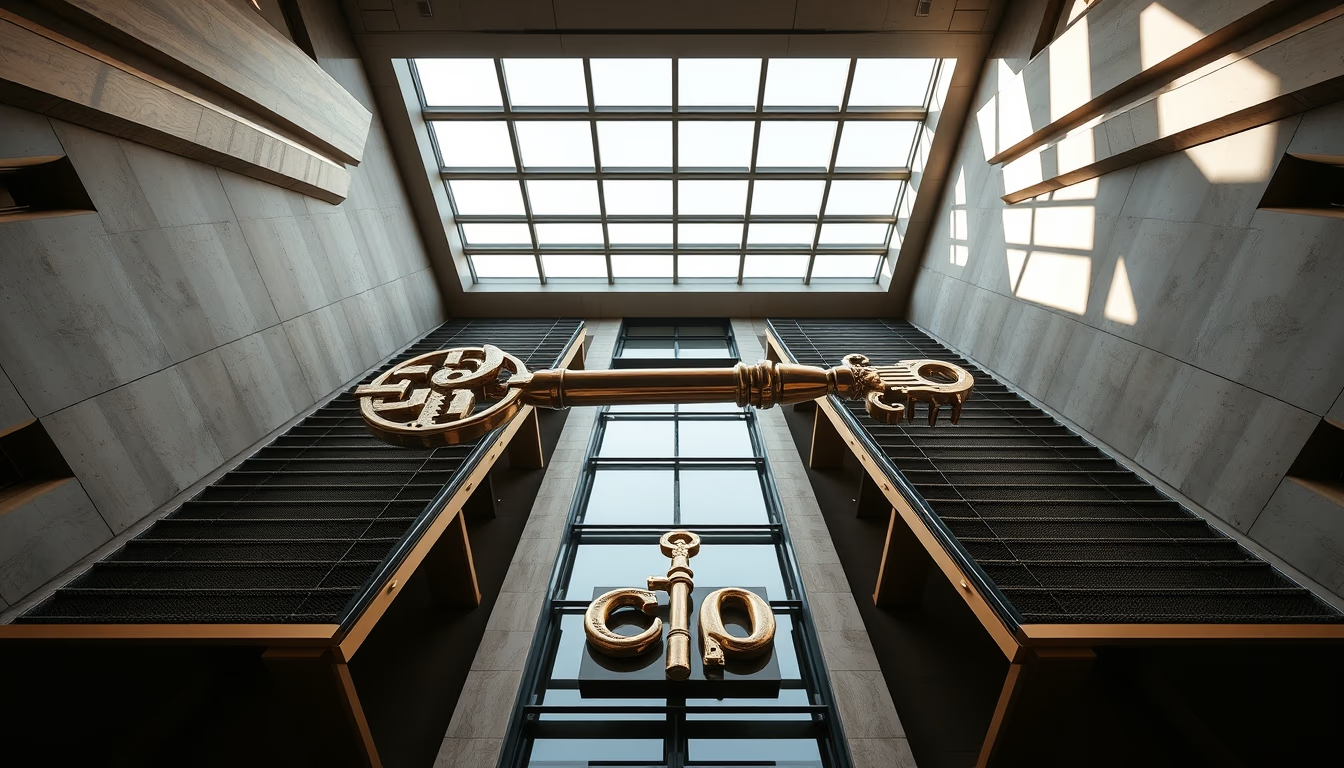
Brass telegraph key, an instrument that marked the history of communications by transmitting messages in Morse code.
About this subject
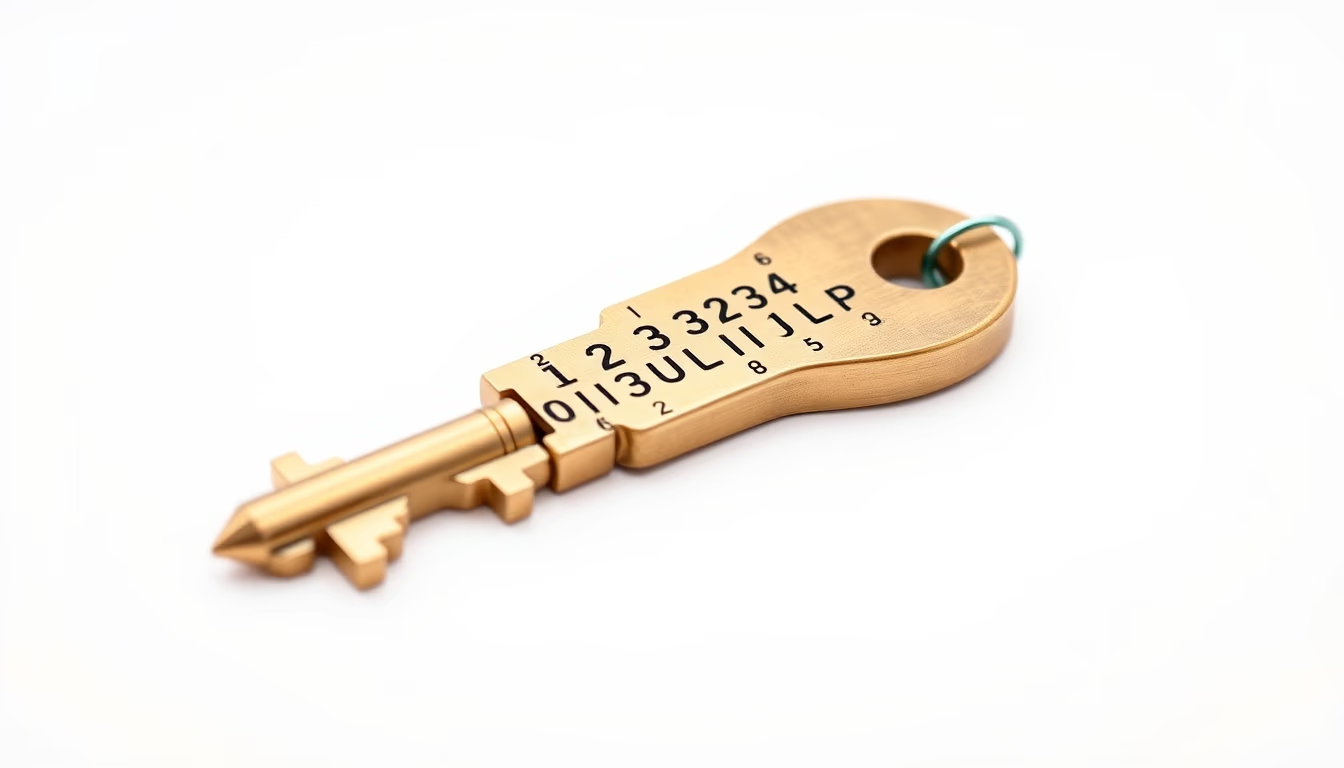
The brass telegraph key, also known as a Morse key or manipulator, was the primary device for transmitting electrical signals during the telegraph era. Invented by Samuel Morse and Alfred Vail in the 1830s, the key allowed operators to interrupt an electrical circuit in short and long patterns, representing dots and dashes of Morse code. Brass was the preferred material for its durability, conductivity, and corrosion resistance, ensuring reliable electrical contact over years of use.
These keys were mounted on wooden or metal bases and featured a pivoting lever, adjustable contacts, and springs for return action. Trained operators could transmit 20 to 40 words per minute, with records reaching 60 words. The brass key became an iconic symbol of the Victorian era and 19th-century technological innovation. During World War II, similar manipulators were used for encrypted military communications.
Morse code revolutionized long-distance communications, reducing message delivery time from days to minutes. Submarine cables and land stations relied on these keys to connect continents. Though obsolete for commercial use, brass keys are still employed by amateur radio operators and telegraphy enthusiasts, who appreciate their mechanical precision and aesthetic appeal. Technology museums and private collections preserve these artifacts as part of electrical engineering heritage.
Frequently Asked Questions
How does a brass telegraph key work?
The brass telegraph key has a lever that, when pressed, closes an electrical circuit. The operator controls the duration of contact to generate dots (short) and dashes (long) of Morse code, which are transmitted via wires to the receiver.
Why was brass used in manufacturing these keys?
Brass combines good electrical conductivity, mechanical strength, and corrosion resistance, ensuring that contacts remain clean and efficient over time, essential for the reliability of telegraph communications.
Is the telegraph key still used today?
Yes, by amateur radio operators and telegraphy enthusiasts. Although no longer used commercially, many radio operators practice Morse code as a hobby, and these keys are valued for their history and craftsmanship.
Direct URL
https://pub-c7d6a6ea828543ac903a74a341ccb2e1.r2.dev/imagens/morse-code-key-brass-architectural-photography-fresh0.avifHow to credit
Include a visible link back to UtilizAí. Copy one of the snippets below:
<a href="https://xn--utiliza-eza.com/en/midia/imagens/morse-code-key-brass-architectural-photography-fresh0">Morse code key brass</a> by <a href="https://xn--utiliza-eza.com">UtilizAí</a>, licensed under <a href="https://creativecommons.org/licenses/by/4.0/">CC BY 4.0</a>.
[Morse code key brass](https://xn--utiliza-eza.com/en/midia/imagens/morse-code-key-brass-architectural-photography-fresh0) by [UtilizAí](https://xn--utiliza-eza.com), CC BY 4.0
License: CC-BY-4.0