Moon detail crater closeup
1344×768 · AVIF · CC BY 4.0
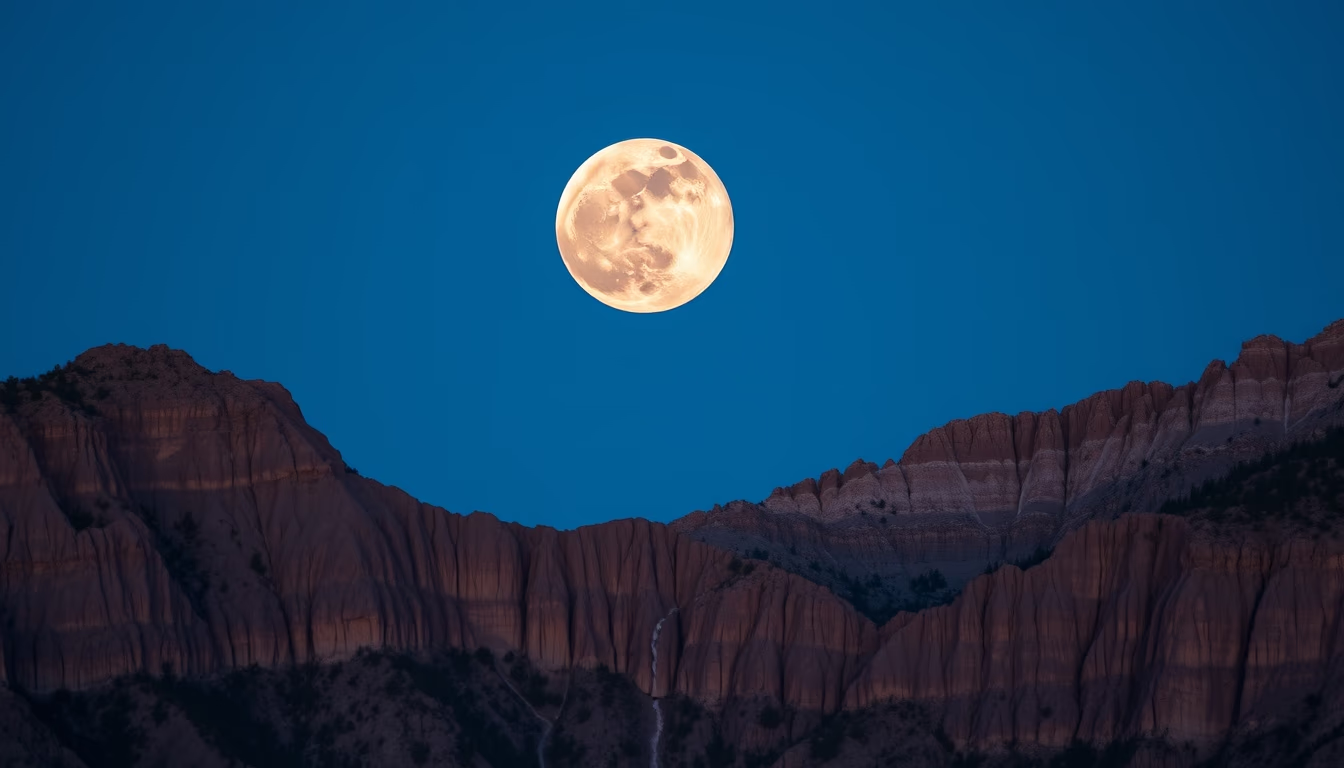
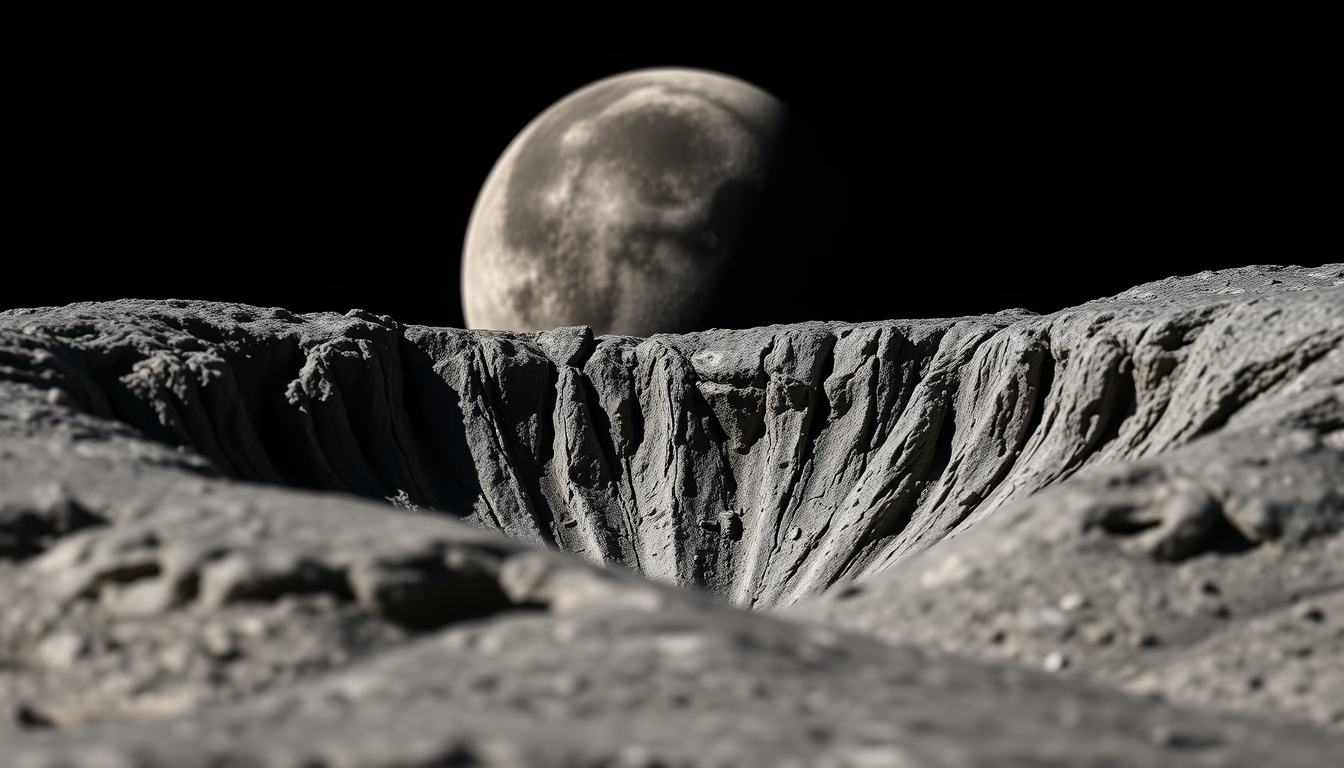
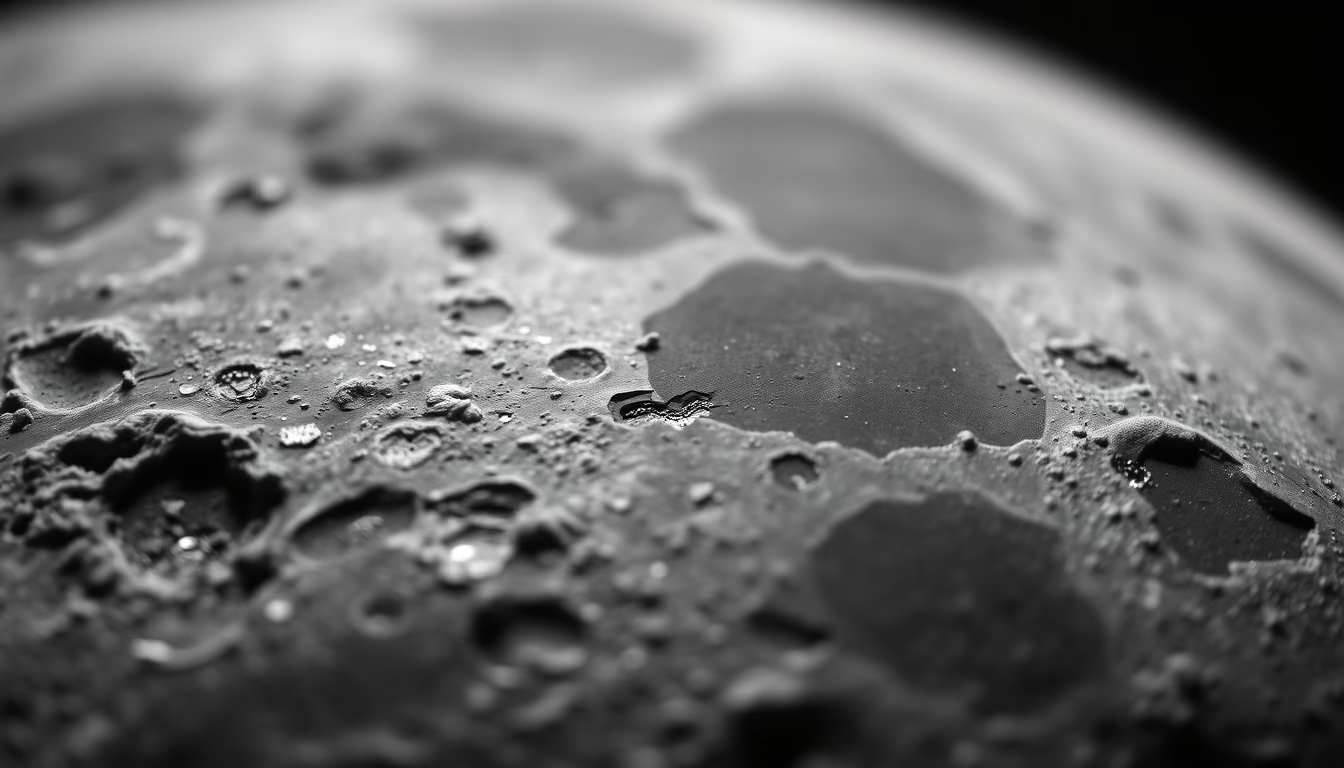
Detailed close-up of the lunar surface showing craters, terrain, and characteristic textures of the Moon's soil.
About this subject
The Moon's surface is marked by millions of impact craters, formed over billions of years by asteroids and comets. Craters vary in size from microscopic to huge basins hundreds of kilometers in diameter. Younger craters, such as Tycho, have bright ray systems that extend great distances. Studying these craters helps scientists understand the solar system's history, as the Moon preserves impact records that on Earth have been erased by erosion and tectonic activity. Missions like Apollo and the Lunar Reconnaissance Orbiter have mapped these features in detail, revealing layers of regolith, basaltic rocks, and volcanic glass deposits. Additionally, permanently shadowed craters at the lunar poles may contain water ice, a critical resource for future crewed missions.
Frequently Asked Questions
What causes craters on the Moon?
Lunar craters are primarily formed by impacts of meteoroids, asteroids, and comets. When these celestial bodies strike the surface, they release enormous energy, excavating the soil and creating circular depressions.
What is the largest crater on the Moon?
The largest known impact basin is the South Pole-Aitken Basin, about 2,500 km in diameter and 13 km deep. It is located on the far side of the Moon.
Why are lunar craters important for science?
They provide records of the impact history of the inner solar system. By analyzing their ages and compositions, scientists can date geological events and understand lunar evolution.
Direct URL
https://pub-c7d6a6ea828543ac903a74a341ccb2e1.r2.dev/imagens/moon-detail-crater-closeup-aerial-drone-shot-p4.avifHow to credit
Include a visible link back to UtilizAí. Copy one of the snippets below:
<a href="https://xn--utiliza-eza.com/en/midia/imagens/moon-detail-crater-closeup-aerial-drone-shot-p4">Moon detail crater closeup</a> by <a href="https://xn--utiliza-eza.com">UtilizAí</a>, licensed under <a href="https://creativecommons.org/licenses/by/4.0/">CC BY 4.0</a>.
[Moon detail crater closeup](https://xn--utiliza-eza.com/en/midia/imagens/moon-detail-crater-closeup-aerial-drone-shot-p4) by [UtilizAí](https://xn--utiliza-eza.com), CC BY 4.0
License: CC-BY-4.0