Monet garden giverny
1344×768 · JPG · CC BY 4.0
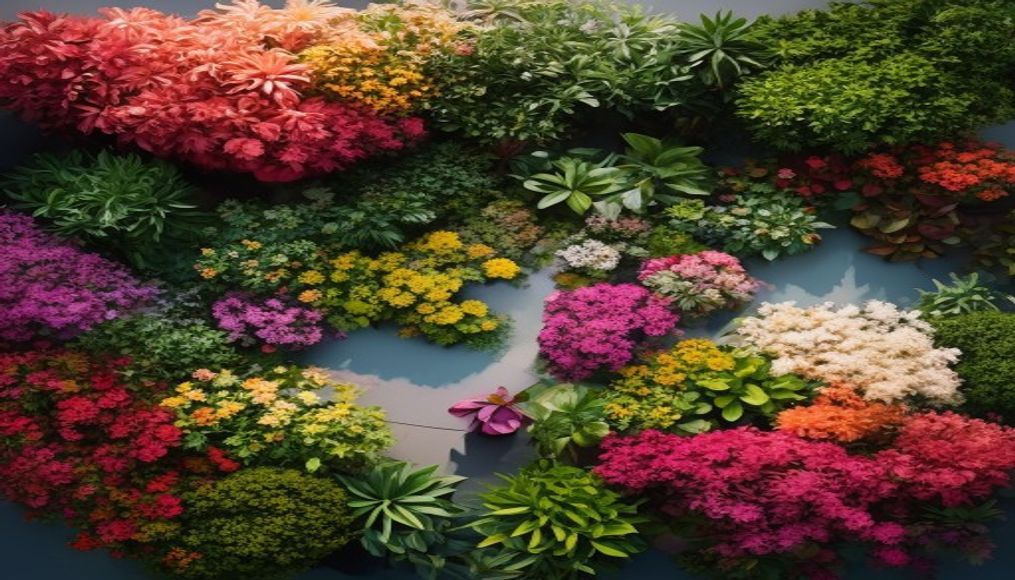
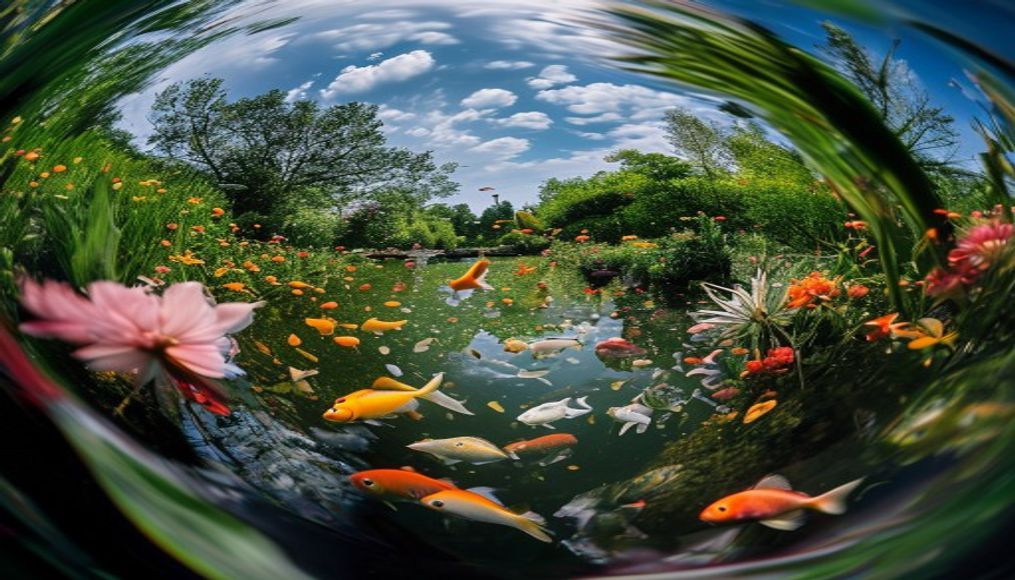
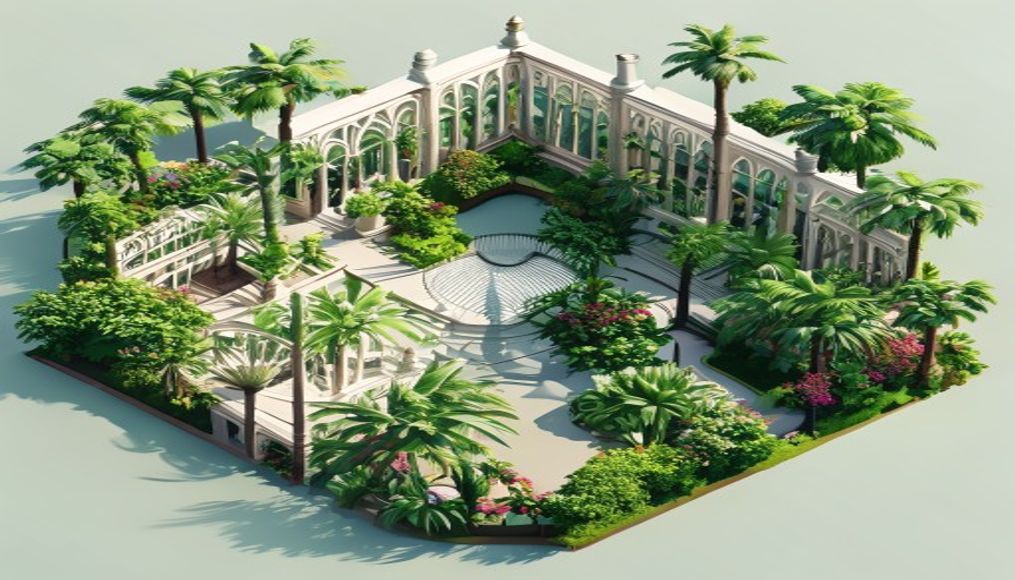
Monet's garden in Giverny, Normandy, is a living masterpiece that inspired his famous paintings of water lilies and the Japanese bridge.
About this subject
Monet's Garden in Giverny, located about 80 km northwest of Paris, is one of the most iconic destinations for art and gardening enthusiasts. Created by the Impressionist painter Claude Monet, who lived there from 1883 until his death in 1926, the garden was meticulously designed as an extension of his palette. It consists of two main parts, the Clos Normand, a lush flower garden with symmetrical beds, and the Water Garden, featuring the famous pond with water lilies and the Japanese bridge covered in wisteria. The space reflects Monet's passion for color and light.
Monet did not just paint the garden; he designed it as a living, evolving work of art. After buying the property, he transformed the original terrain by removing pine trees to plant flowers such as irises, tulips, poppies, and roses. The pond was created by diverting a branch of the Epte River, and the Japanese bridge was inspired by the ukiyo-e prints Monet collected. This immersion in nature allowed him to capture variations of light and color across seasons, especially in his series of water lily paintings (Nymphéas), which number about 250 works.
Today, the garden is managed by the Claude Monet Foundation and attracts about 500,000 visitors annually. Open to the public from April to October, it offers a continuous blooming spectacle: tulips and daffodils in spring, roses and lilies in summer, and autumnal tones from maples. The site is also a haven for pollinators like bees and butterflies, playing a crucial role in maintaining the garden's ecosystem, a detail that aligns with the tag "wave-pollinations," referring to the waves of pollination that sustain local biodiversity.
The garden's influence extends beyond art: it is a model of landscape design that harmonizes Eastern and Western elements. The arrangement of flower beds with coordinated colors and the integration of water with vegetation create a serene environment. Even for non-specialists, a stroll through Giverny is a sensory experience that connects visitors to Monet's vision: a world where nature and art merge.
Frequently Asked Questions
Where is Monet's garden in Giverny located?
The garden is in the village of Giverny, Normandy, France, about 80 km northwest of Paris.
What is the best time to visit the garden?
The best time is between April and October, when the garden is open. Spring (April to May) offers tulips and daffodils, while summer (June to August) features roses, lilies, and the water lilies in full bloom.
Is Monet's garden the same as the one in his paintings?
Yes, Monet frequently painted the garden, especially the water lily pond and the Japanese bridge he built. His series of garden paintings are world-famous.
Direct URL
https://pub-c7d6a6ea828543ac903a74a341ccb2e1.r2.dev/imagens/monet-garden-giverny-isometric-flat-lay-p3.jpgHow to credit
Include a visible link back to UtilizAí. Copy one of the snippets below:
<a href="https://xn--utiliza-eza.com/en/midia/imagens/monet-garden-giverny-isometric-flat-lay-p3">Monet garden giverny</a> by <a href="https://xn--utiliza-eza.com">UtilizAí</a>, licensed under <a href="https://creativecommons.org/licenses/by/4.0/">CC BY 4.0</a>.
[Monet garden giverny](https://xn--utiliza-eza.com/en/midia/imagens/monet-garden-giverny-isometric-flat-lay-p3) by [UtilizAí](https://xn--utiliza-eza.com), CC BY 4.0
License: CC-BY-4.0