Modernist le corbusier
1344×768 · AVIF · CC BY 4.0

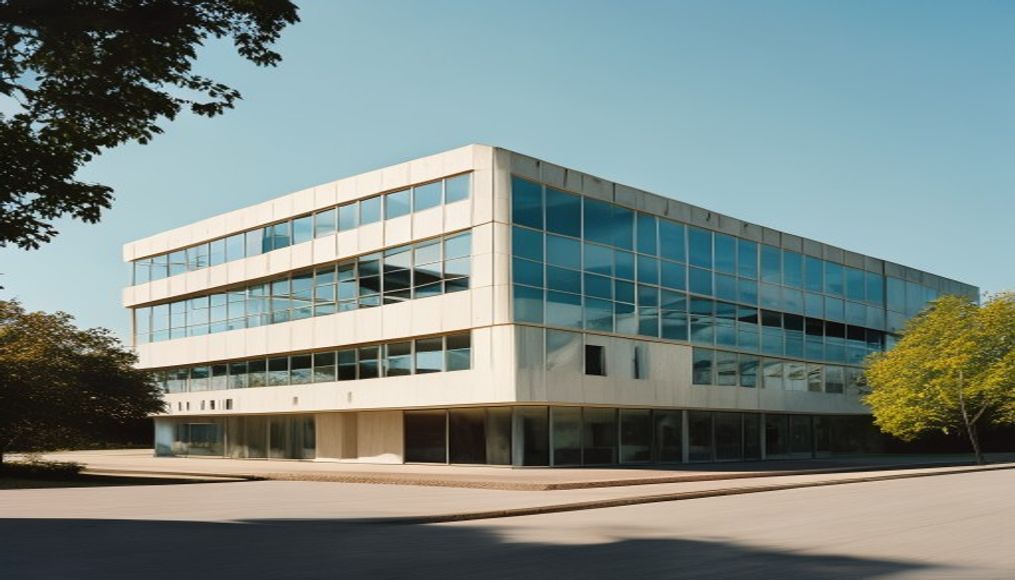
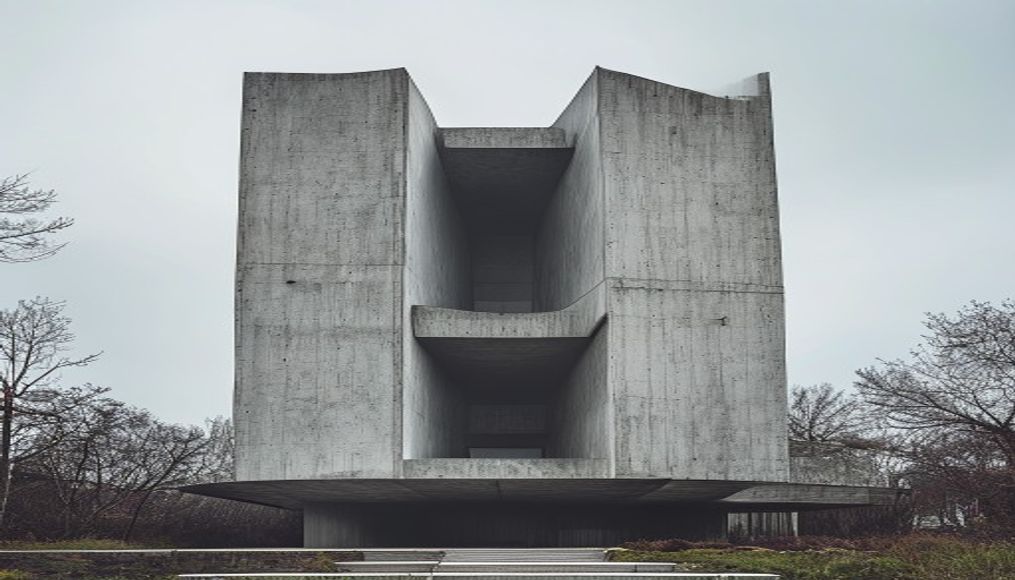
Le Corbusier, a pioneer of modern architecture, revolutionized urban design with his functionalist ideas and use of reinforced concrete.
About this subject
Le Corbusier, born Charles-Édouard Jeanneret-Gris in Switzerland in 1887 and later a French naturalized citizen, is regarded as one of the greatest architects of the 20th century and a father of the modernist movement. His innovative approach combined functionality, simple geometric forms, and the use of new materials like reinforced concrete. Iconic projects such as the Villa Savoye (France) and the Unité d'Habitation (Marseille) exemplify his "Five Points of Modern Architecture": pilotis, roof garden, free plan, free façade, and ribbon windows.
Beyond architecture, Le Corbusier was an urban planner, painter, and sculptor. His master plan for Chandigarh, India, is a landmark of modernist urbanism. He also developed the Modulor, a proportion system based on the human scale, aiming to harmonize spaces and buildings. His influence spans the globe, with timeless works inspiring generations of architects.
In Brazil, Le Corbusier's impact on architectural modernism is profound. Oscar Niemeyer and Lúcio Costa met him personally and applied his principles in projects like the Pampulha Complex and Brasília. His visits to Rio de Janeiro in 1929 and 1936 were crucial for consolidating the modernist movement in the country.
Notably, Le Corbusier was also a prolific writer, publishing books like "Towards an Architecture" (1923), which became a manifesto of the modern movement. His vision of housing as a "machine for living" reflected a belief in technological progress and rational construction. Despite controversies, his legacy remains central in contemporary architectural discourse.
Frequently Asked Questions
What are Le Corbusier's five points of modern architecture?
The five points are: pilotis (columns lifting the building), roof garden, free plan (no load-bearing walls), free façade, and ribbon windows (horizontal). These principles aim for structural freedom and integration with the surroundings.
What is Le Corbusier's significance for Brazilian architecture?
Le Corbusier directly influenced Oscar Niemeyer and Lúcio Costa, who applied his concepts in the Pampulha Complex and Brasília. His visits to Brazil in 1929 and 1936 helped consolidate architectural modernism in the country.
What is the Modulor created by Le Corbusier?
The Modulor is a proportion system based on the human scale and the golden ratio, used to harmonize dimensions in architecture and design. Le Corbusier developed it to make spaces more functional and pleasing.
Direct URL
https://pub-c7d6a6ea828543ac903a74a341ccb2e1.r2.dev/imagens/modernist-le-corbusier-commercial-product-photography-p1.avifHow to credit
Include a visible link back to UtilizAí. Copy one of the snippets below:
<a href="https://xn--utiliza-eza.com/en/midia/imagens/modernist-le-corbusier-commercial-product-photography-p1">Modernist le corbusier</a> by <a href="https://xn--utiliza-eza.com">UtilizAí</a>, licensed under <a href="https://creativecommons.org/licenses/by/4.0/">CC BY 4.0</a>.
[Modernist le corbusier](https://xn--utiliza-eza.com/en/midia/imagens/modernist-le-corbusier-commercial-product-photography-p1) by [UtilizAí](https://xn--utiliza-eza.com), CC BY 4.0
License: CC-BY-4.0