Minimalist living room interior
1344×768 · AVIF · CC BY 4.0
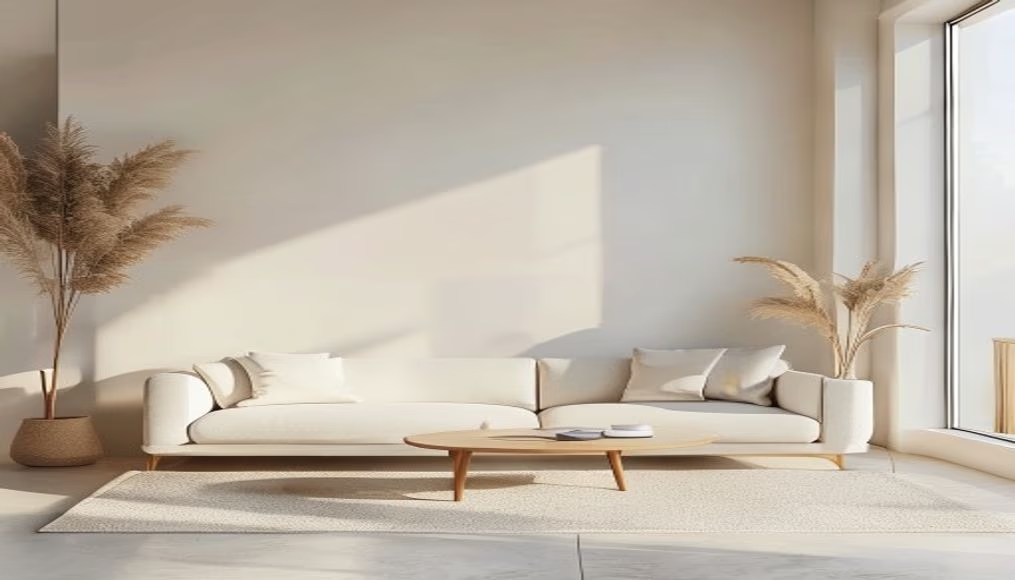
Minimalist living rooms blend functionality with clean aesthetics, a global interior design trend that values uncluttered spaces.
About this subject
Minimalist interior design emerged as a reaction against excessive ornamentation and clutter, gaining momentum from the modernist movement of the 20th century. A minimalist living room prioritizes clean lines, neutral color palettes, and simple furniture forms, creating an environment that promotes calm and focus. Natural light is often maximized through large windows and light curtains, while furniture is chosen for utility and quality, avoiding purely decorative items.
Common materials include exposed concrete, light wood, glass, and metals, along with subtle textures that add depth without disrupting visual harmony. The absence of clutter is essential, requiring smart built-in storage solutions. In Scandinavian countries like Denmark and Sweden, the concept of 'hygge' aligns with minimalism, emphasizing comfort and coziness through simplicity. In Japan, the 'wabi-sabi' aesthetic appreciates the beauty of imperfection and transience, influencing global minimalist designs.
Minimalism does not mean lack of personality. A room can be minimalist yet reflect the owner's taste through one or two striking art pieces, textured cushions, or a geometric-patterned rug. The trend has strengthened with compact urban living, where every square meter counts. In cities like Tokyo, New York, and São Paulo, small apartments adopt minimalism to maximize the sense of space, using multifunctional furniture like sofa beds or retractable tables.
From a sustainability perspective, minimalism encourages conscious consumption: buy less, but better. Durable and timeless pieces reduce waste. Minimalist design also simplifies cleaning and maintenance, freeing up time for other activities. Although it appears simple, creating a balanced minimalist living room requires careful planning, as each element must justify its presence.
Frequently Asked Questions
What are the most common colors in minimalist living rooms?
Neutral palettes like white, beige, gray, and soft pastels are predominant. Dark colors such as black or navy blue can be used in details for contrast.
How to decorate a minimalist living room without it feeling cold?
Add natural textures like wood, linen, or wool. Incorporate green plants and indirect lighting for coziness. A piece of art or a colorful cushion can bring personality.
Is minimalism suitable for families with children?
Yes, provided there is smart storage for toys and items. Durable and easy-to-clean furniture, such as sofas with removable covers, helps maintain a clean look without sacrificing practicality.
Direct URL
https://pub-c7d6a6ea828543ac903a74a341ccb2e1.r2.dev/imagens/minimalist-living-room-interior-commercial-product-photography-v9.avifHow to credit
Include a visible link back to UtilizAí. Copy one of the snippets below:
<a href="https://xn--utiliza-eza.com/en/midia/imagens/minimalist-living-room-interior-commercial-product-photography-v9">Minimalist living room interior</a> by <a href="https://xn--utiliza-eza.com">UtilizAí</a>, licensed under <a href="https://creativecommons.org/licenses/by/4.0/">CC BY 4.0</a>.
[Minimalist living room interior](https://xn--utiliza-eza.com/en/midia/imagens/minimalist-living-room-interior-commercial-product-photography-v9) by [UtilizAí](https://xn--utiliza-eza.com), CC BY 4.0
License: CC-BY-4.0