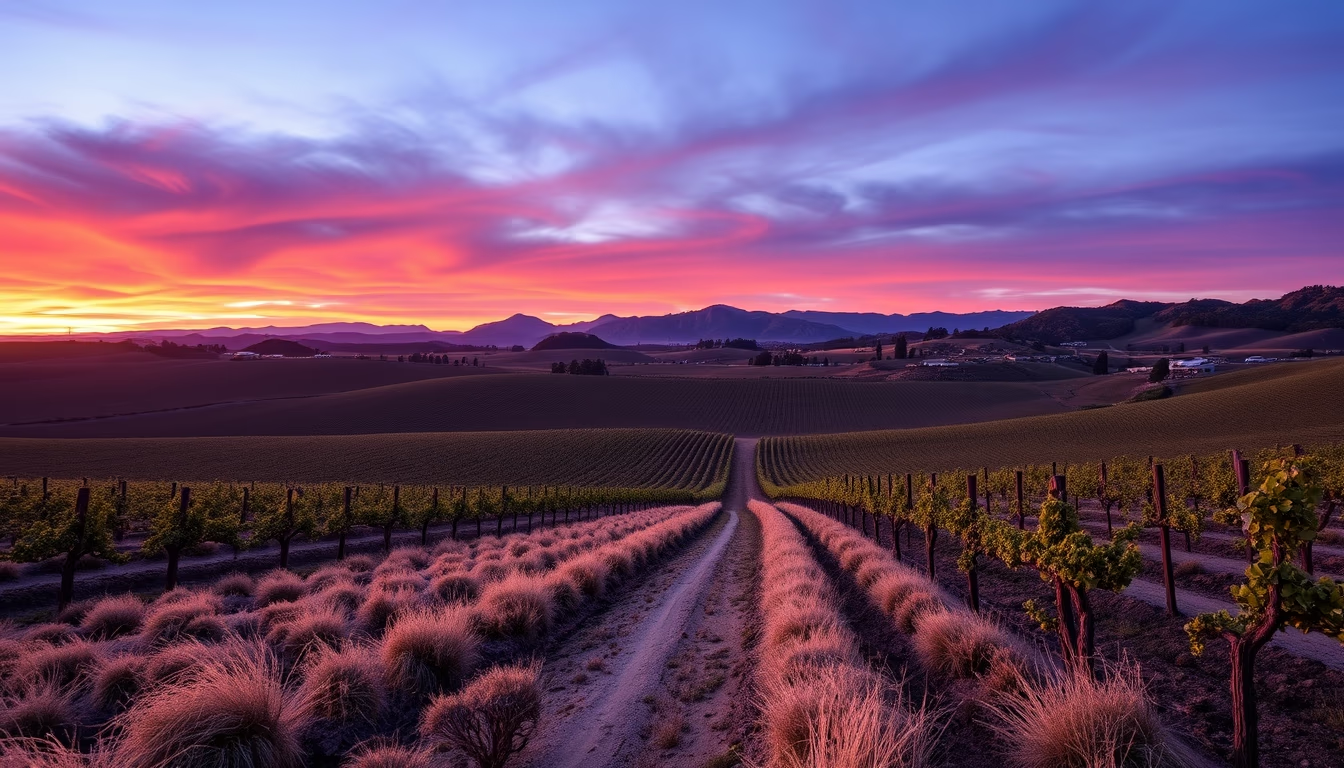
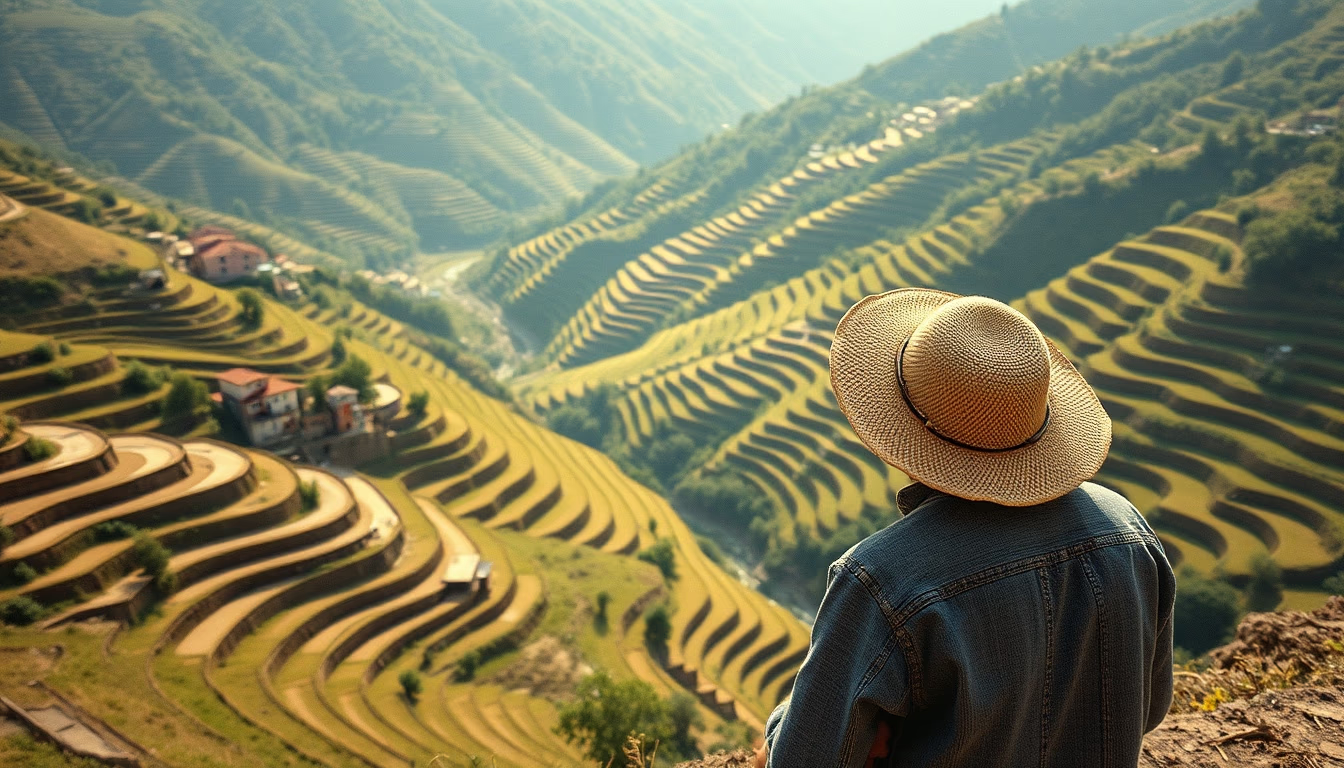
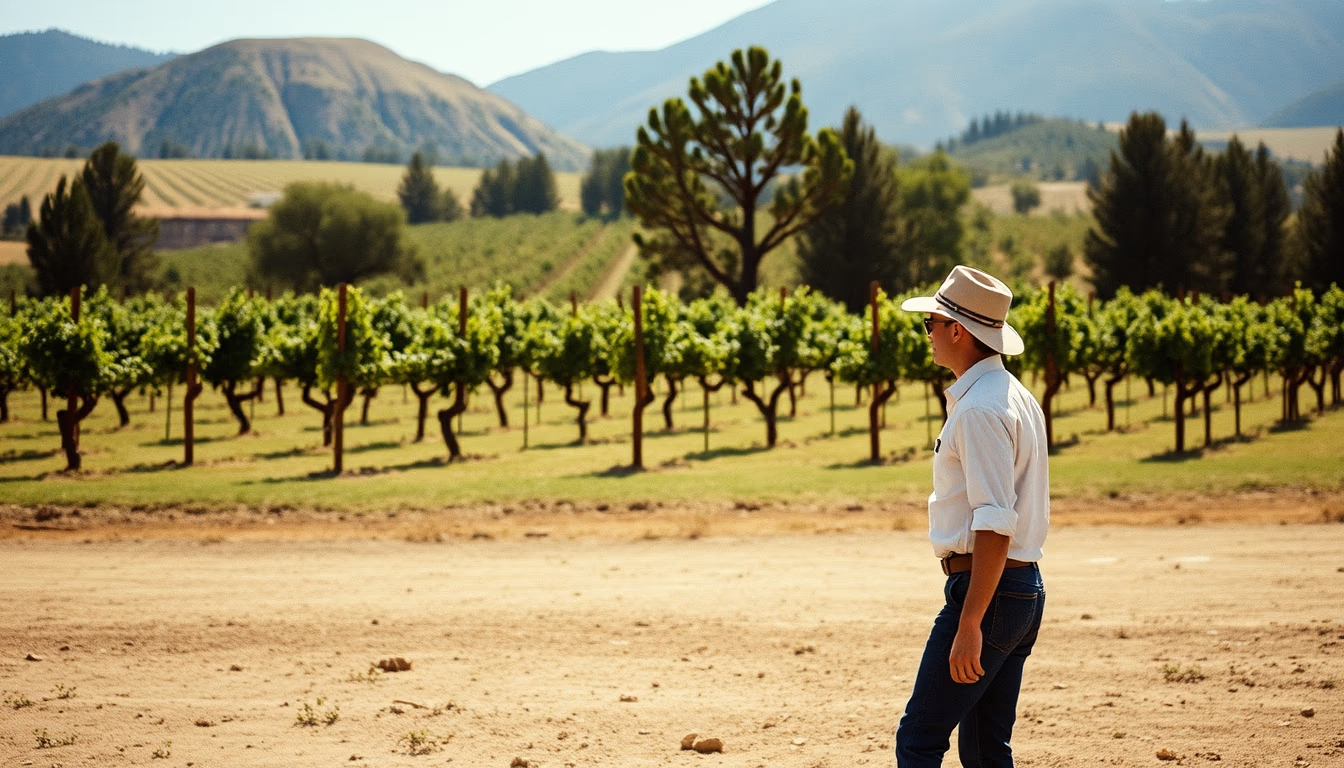
Mendoza argentine vineyard
1344×768 · AVIF · CC BY 4.0

Mendoza's vineyards, nestled at the foot of the Andes, are the heart of Argentine wine production, globally renowned for high-altitude Malbec.
About this subject
Mendoza is Argentina's largest and most important wine region, accounting for about 70% of the country's total wine production. Located west of Argentina along the Andes mountain range, the province hosts vineyards that cover over 150,000 hectares, at altitudes ranging from 600 to 1,200 meters above sea level. This high altitude is a key differentiator for Mendoza wines: cool nights and sunny days create a thermal amplitude that allows grapes to develop sugars and tannins in a balanced way, resulting in full-bodied wines with good acidity.
The emblematic grape of Mendoza is Malbec, which found an ideal terroir here. Originally from France, Malbec was brought to Argentina in the 19th century and now accounts for about 40% of the region's vineyards. Other major varieties include Cabernet Sauvignon, Syrah, Torrontés, and Chardonnay. Soils are mostly alluvial, composed of gravel and sand with excellent drainage, and irrigation relies heavily on meltwater from the Andes carried by ancient canals built by the Huarpe people.
Mendoza's sub-regions include Luján de Cuyo (Argentina's first Denomination of Origin), Maipú, Uco Valley, and San Rafael. The Uco Valley, in particular, has gained international fame in recent decades for its high-altitude wines (over 1,000 meters), producing intense and elegant Malbecs. Wine tourism thrives here: the Ruta del Vino offers tours of traditional and modern wineries, many with striking architecture and panoramic views of the vineyards and the mountain range.
Interestingly, wine production in Mendoza dates back to the 16th century when Spanish colonizers planted the first vines. However, it was the wave of European immigration, especially Italian and Spanish, in the late 19th century that truly expanded viticulture. Today, Mendoza is synonymous with quality and innovation, featuring sustainable practices and wineries that blend tradition and technology. Every year, the region hosts the Fiesta de la Vendimia, a harvest festival with parades, music, and extensive tasting.
Frequently Asked Questions
What is the average altitude of vineyards in Mendoza?
Mendoza's vineyards are located between 600 and 1,200 meters above sea level, with the Uco Valley reaching over 1,000 meters, providing ideal thermal amplitude for grapes like Malbec.
Why is Argentine Malbec so famous?
Argentine Malbec, especially from Mendoza, is renowned for the combination of altitude, alluvial soils, and dry climate. These factors produce thick-skinned grapes with soft tannins and intense dark fruit flavors, resulting in full-bodied and elegant wines.
What are the main wine sub-regions of Mendoza?
The main sub-regions include Luján de Cuyo (Argentina's first DO), Maipú, Uco Valley, and San Rafael, each with distinct soil and microclimate characteristics.
Direct URL
https://pub-c7d6a6ea828543ac903a74a341ccb2e1.r2.dev/imagens/mendoza-argentine-vineyard-minimalist-composition-fresh10.avifHow to credit
Include a visible link back to UtilizAí. Copy one of the snippets below:
<a href="https://xn--utiliza-eza.com/en/midia/imagens/mendoza-argentine-vineyard-minimalist-composition-fresh10">Mendoza argentine vineyard</a> by <a href="https://xn--utiliza-eza.com">UtilizAí</a>, licensed under <a href="https://creativecommons.org/licenses/by/4.0/">CC BY 4.0</a>.
[Mendoza argentine vineyard](https://xn--utiliza-eza.com/en/midia/imagens/mendoza-argentine-vineyard-minimalist-composition-fresh10) by [UtilizAí](https://xn--utiliza-eza.com), CC BY 4.0
License: CC-BY-4.0