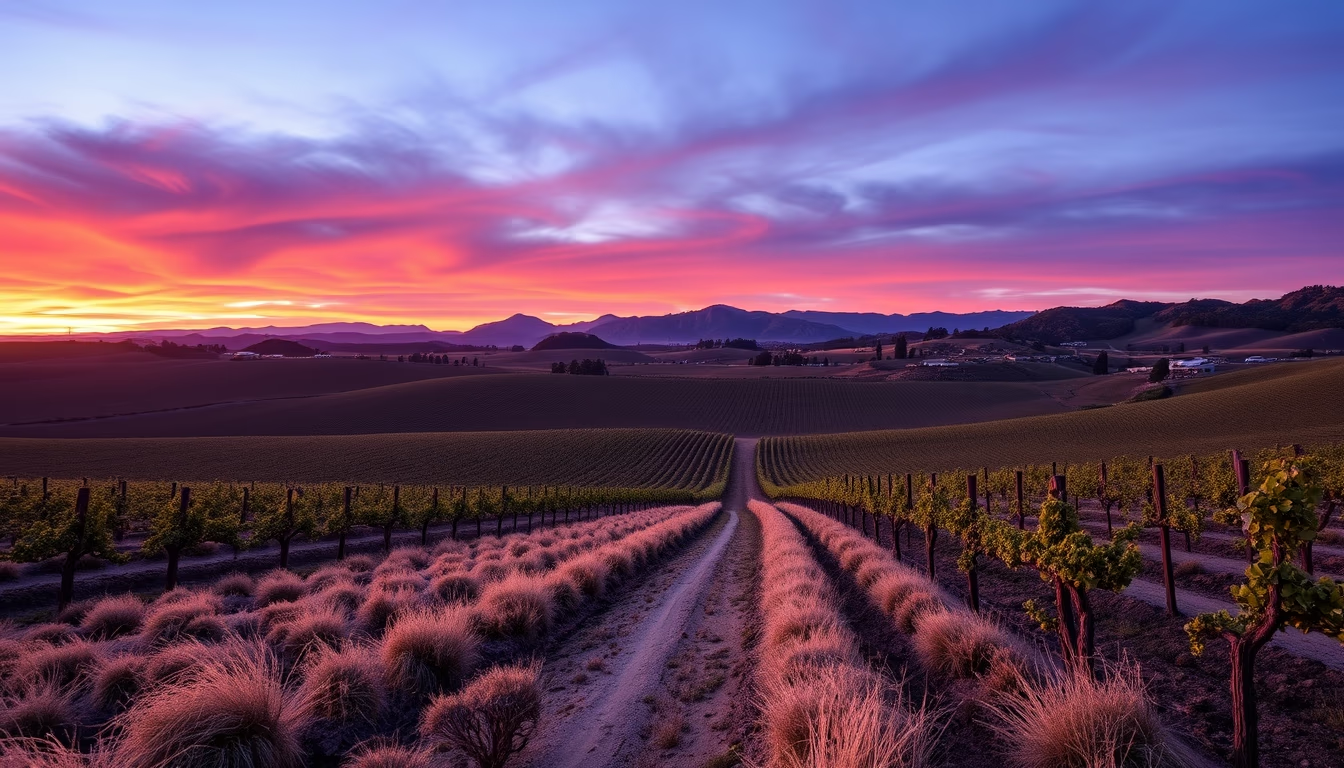
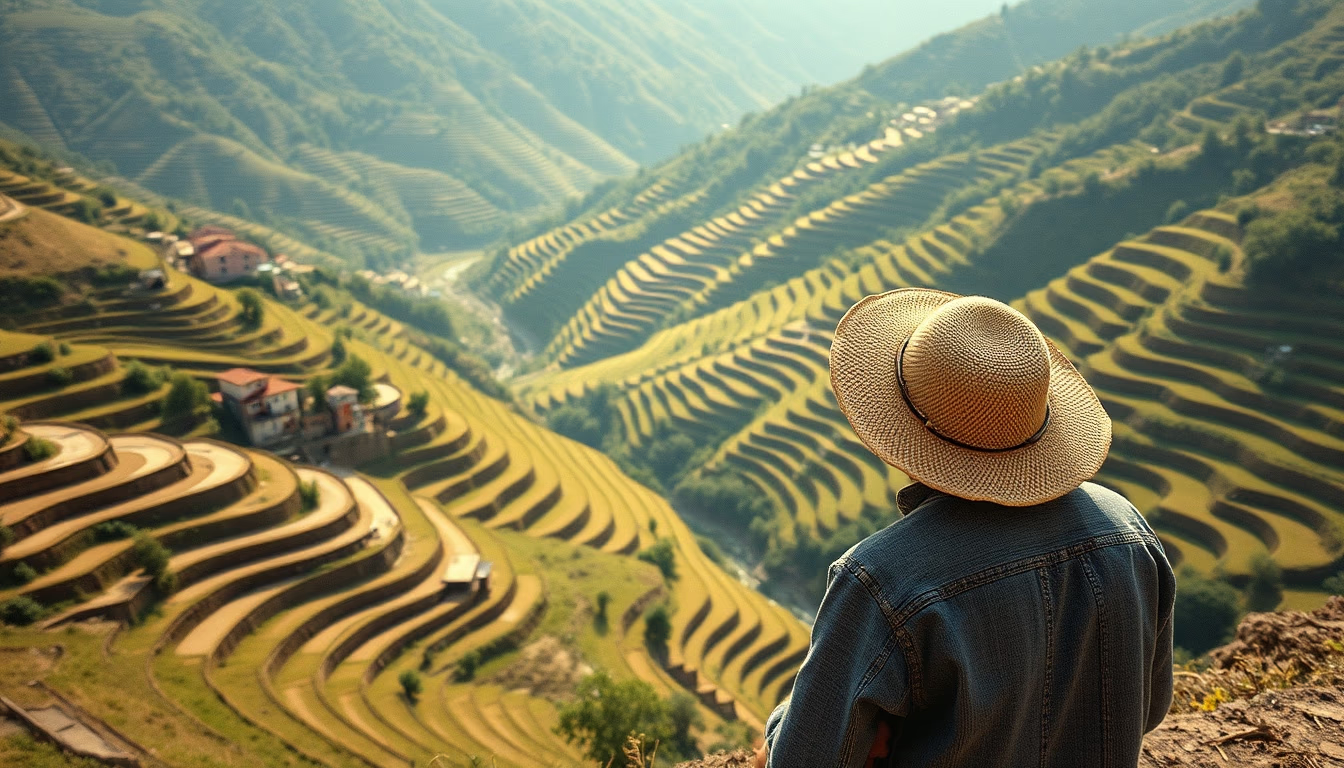
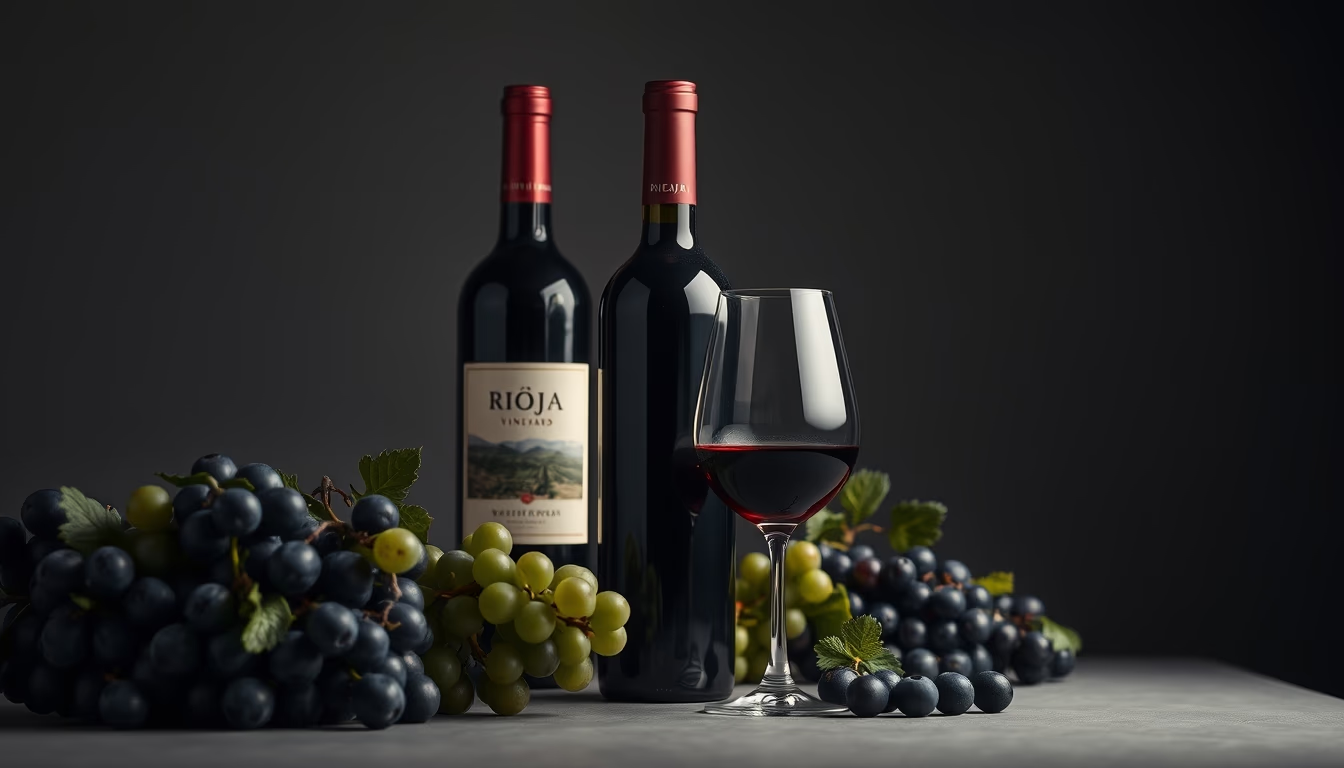
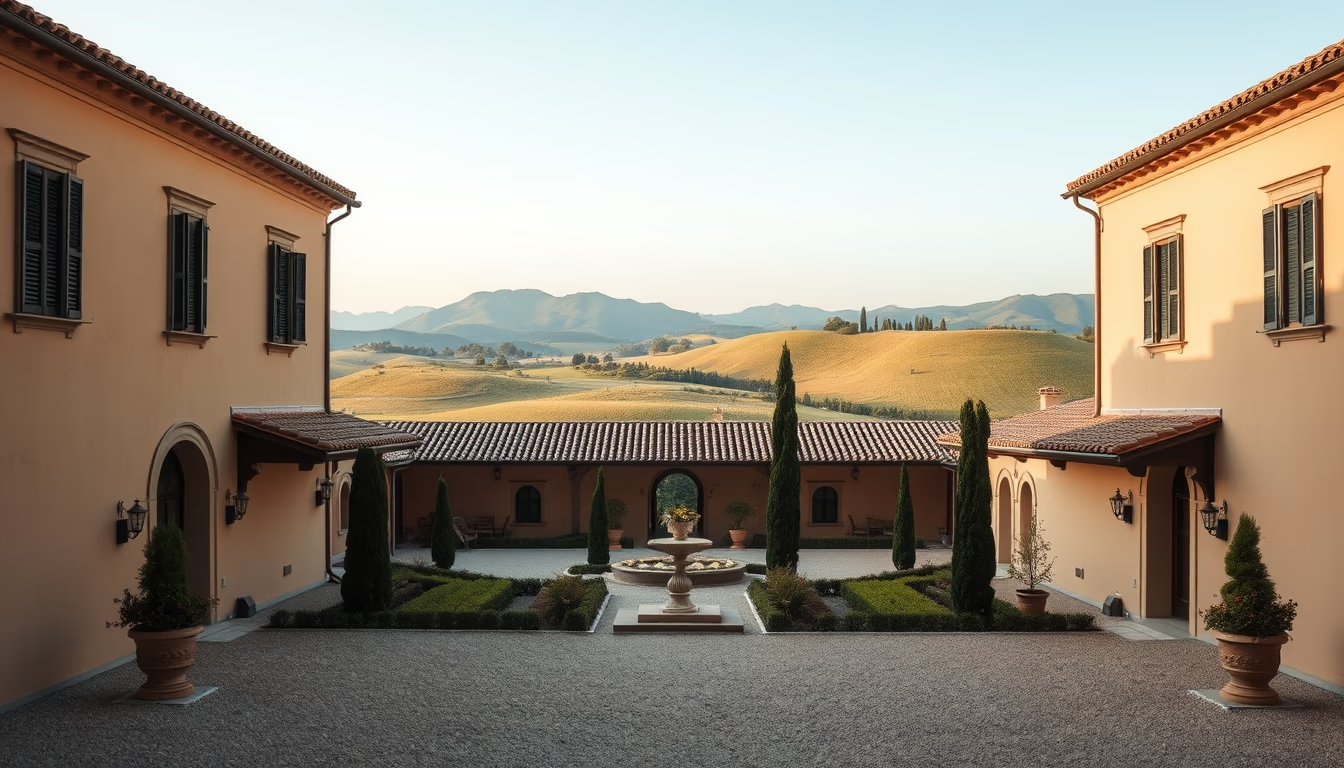
Mendoza argentine vineyard
1344×768 · AVIF · CC BY 4.0
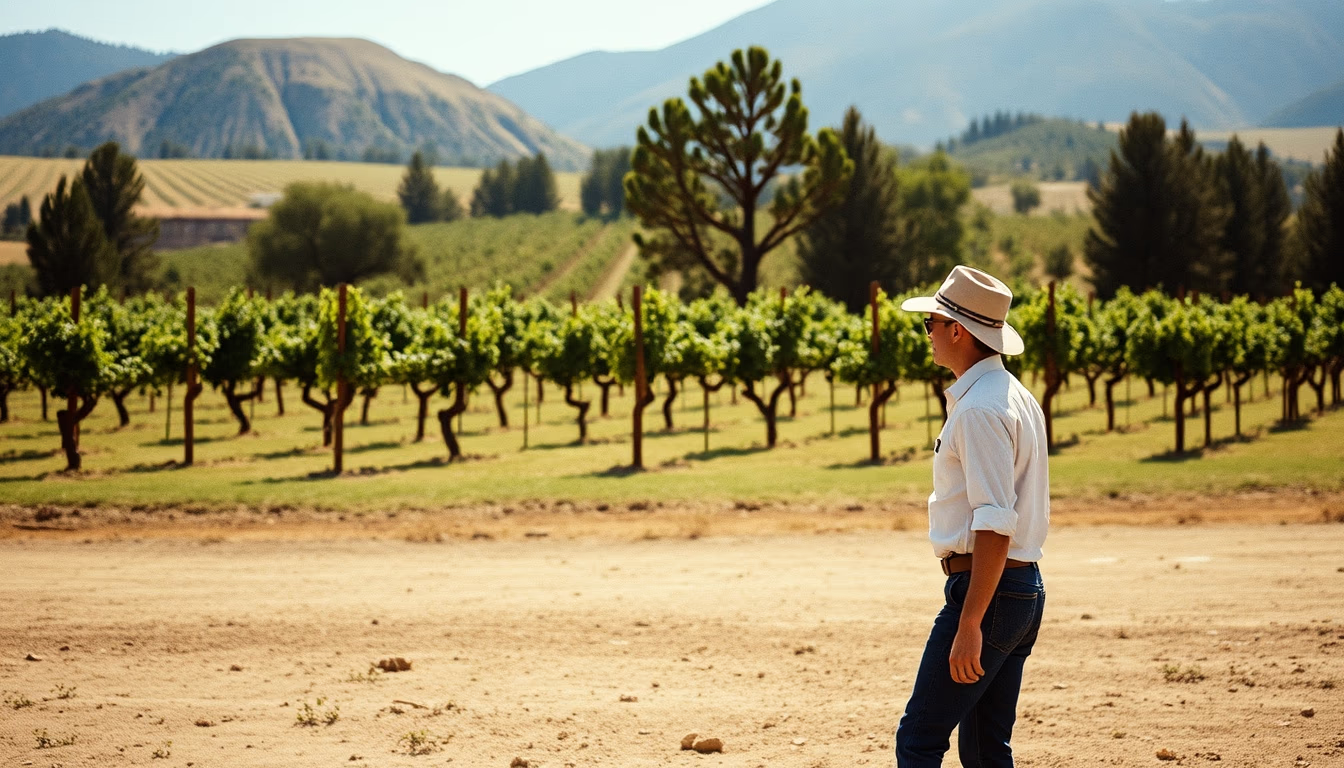
Mendoza, Argentina, is the heart of the country's wine production, responsible for over 70% of Argentine wine, with special emphasis on the Malbec grape.
About this subject
Mendoza is Argentina's premier wine region, accounting for roughly 70% of the country's total wine production. Situated east of the Andes mountain range, the province has a semi-arid climate with high diurnal temperature variation, hot summers and cold winters, and over 300 sunny days per year, ideal conditions for the Malbec grape, which has become the nation's signature variety. Vineyards are irrigated by snowmelt from the Andes through a system of canals originally built by indigenous peoples and later refined by European immigrants.
Mendoza's winemaking history dates back to the 16th century when Spanish colonizers planted the first vines. However, it was the influx of Italian and French immigrants in the late 19th century that put the region on the global map. Today, Mendoza boasts over 150,000 hectares of vineyards spread across five sub-regions: Luján de Cuyo, Maipú, Valle de Uco, San Rafael, and General Alvear. Each offers distinct soil and altitude conditions, allowing for diverse wine styles from full-bodied reds to crisp whites and sparkling wines.
Malbec is the queen grape of Mendoza, but other varieties such as Cabernet Sauvignon, Syrah, Torrontés, and Chardonnay also thrive. Altitude plays a key role, with vineyards ranging from 600 to 1,800 meters above sea level. This elevation range results in wide day-night temperature swings, enhancing sugar concentration, acidity, and tannin structure in the grapes. The region is also noted for its sustainable practices, including drip irrigation and biodynamic farming, increasingly adopted by top wineries.
Wine tourism in Mendoza is among the most developed in Latin America, with hundreds of wineries open for visits, tasting tours, and the famous Wine Route. The city of Mendoza serves as a hub for exploring the wine valleys, blending culture, gastronomy, and stunning landscapes with the Andes as a backdrop. Events like the National Grape Harvest Festival attract thousands of visitors each year, celebrating the harvest with parades, shows, and tastings.
Frequently Asked Questions
Why did the Malbec grape adapt so well to Mendoza?
Malbec adapted perfectly to Mendoza's semi-arid climate and high altitude. The strong day-night temperature variation allows grapes to develop smooth tannins and intense flavors, while the abundant sunlight promotes optimal ripening.
What are the main wine sub-regions of Mendoza?
The main sub-regions are Luján de Cuyo, Maipú, Valle de Uco, San Rafael, and General Alvear. Each has unique soil, altitude, and microclimate characteristics that directly influence the profile of the wines produced.
Can you visit wineries in Mendoza year-round?
Yes, most wineries are open for visits throughout the year, but the high season runs from September to May. The harvest period (February to April) is especially interesting, with festivals and special activities.
Direct URL
https://pub-c7d6a6ea828543ac903a74a341ccb2e1.r2.dev/imagens/mendoza-argentine-vineyard-film-grain-authentic-fresh17.avifHow to credit
Include a visible link back to UtilizAí. Copy one of the snippets below:
<a href="https://xn--utiliza-eza.com/en/midia/imagens/mendoza-argentine-vineyard-film-grain-authentic-fresh17">Mendoza argentine vineyard</a> by <a href="https://xn--utiliza-eza.com">UtilizAí</a>, licensed under <a href="https://creativecommons.org/licenses/by/4.0/">CC BY 4.0</a>.
[Mendoza argentine vineyard](https://xn--utiliza-eza.com/en/midia/imagens/mendoza-argentine-vineyard-film-grain-authentic-fresh17) by [UtilizAí](https://xn--utiliza-eza.com), CC BY 4.0
License: CC-BY-4.0