Mendoza argentine vineyard
1344×768 · AVIF · CC BY 4.0
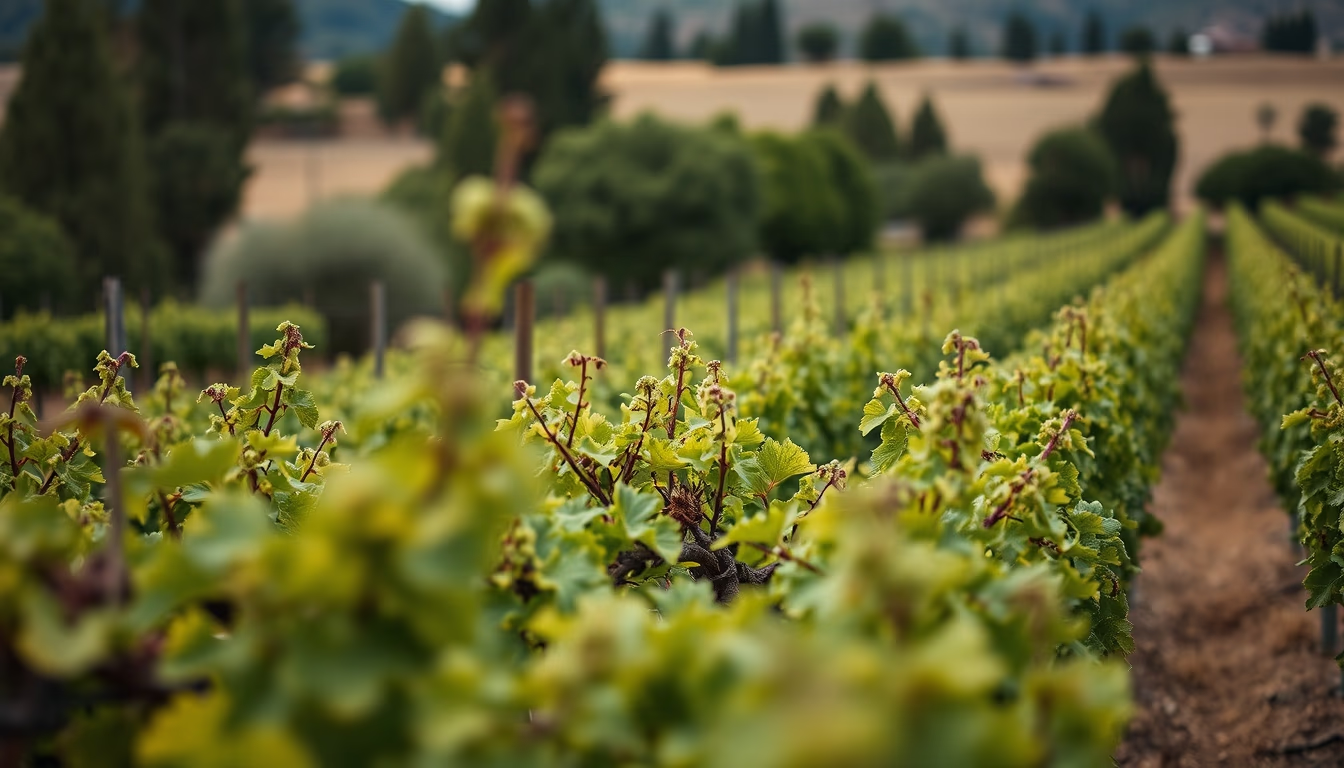
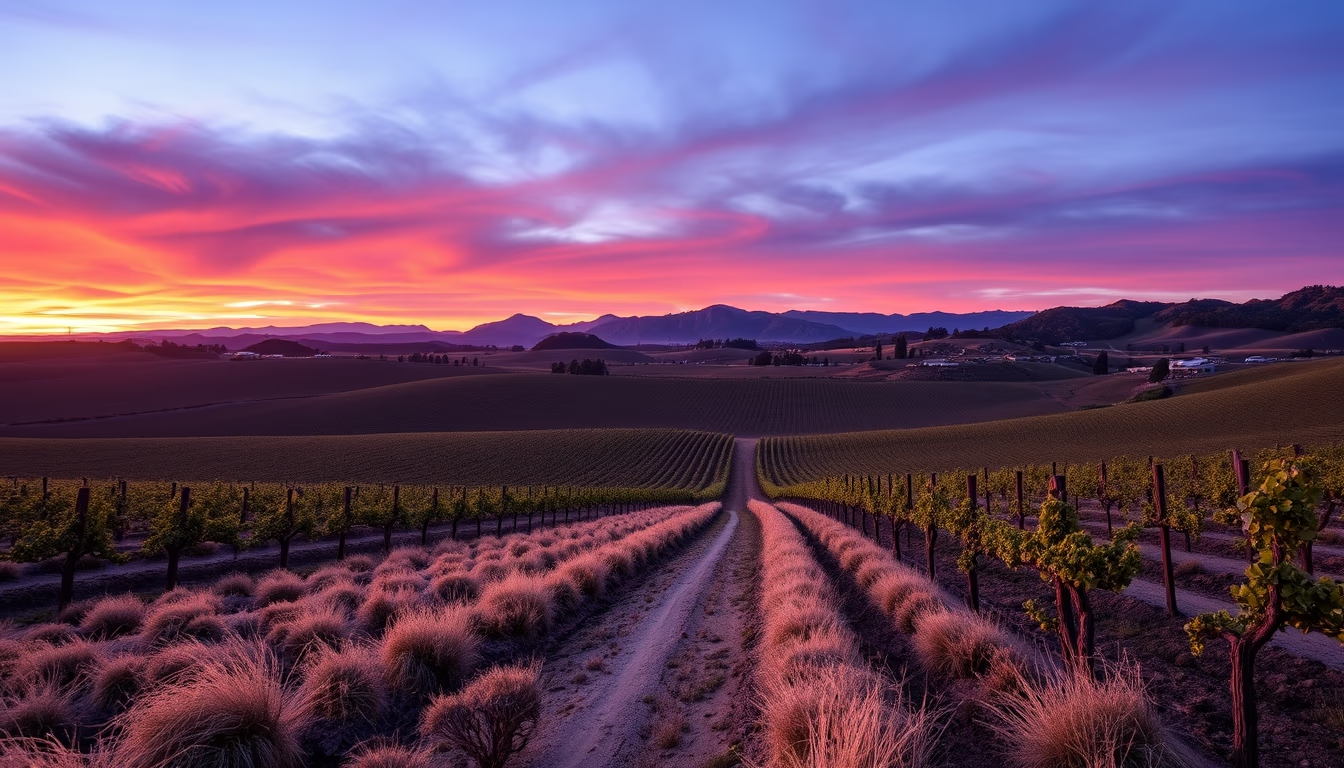
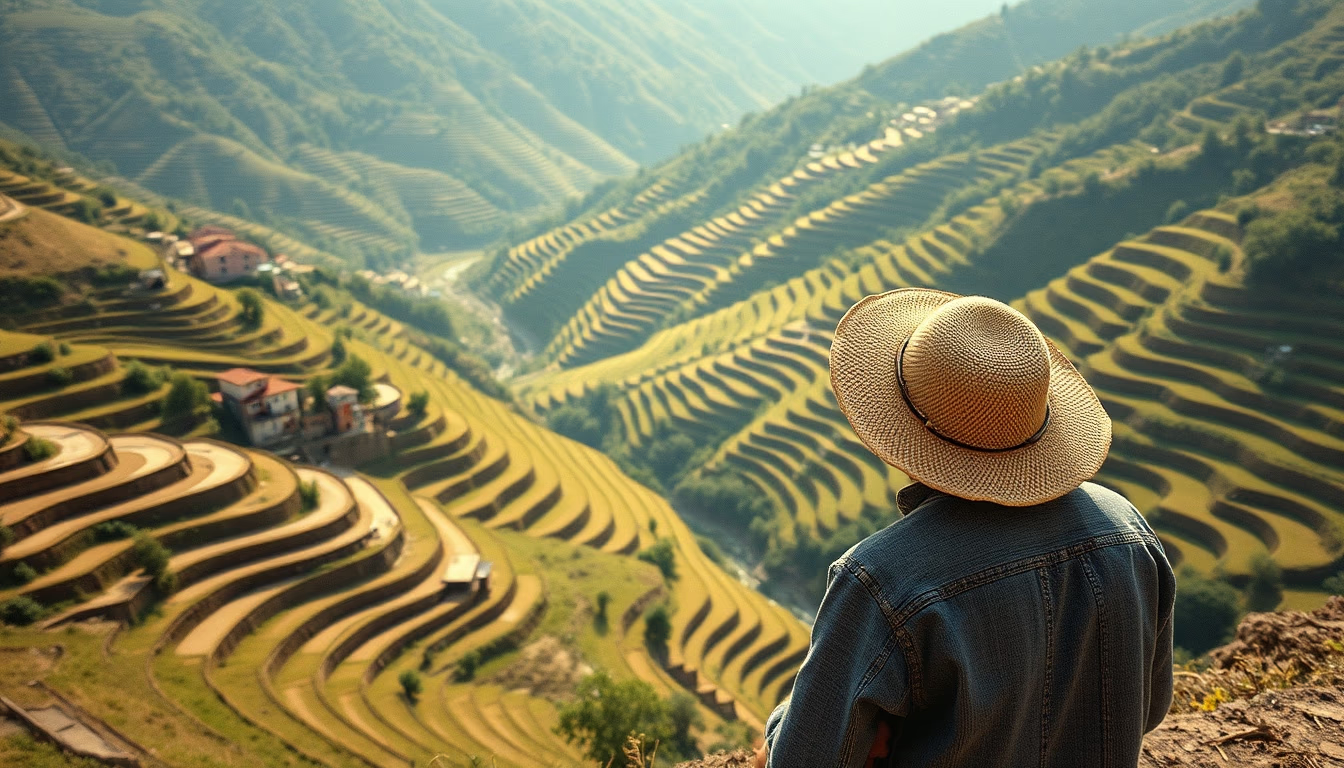
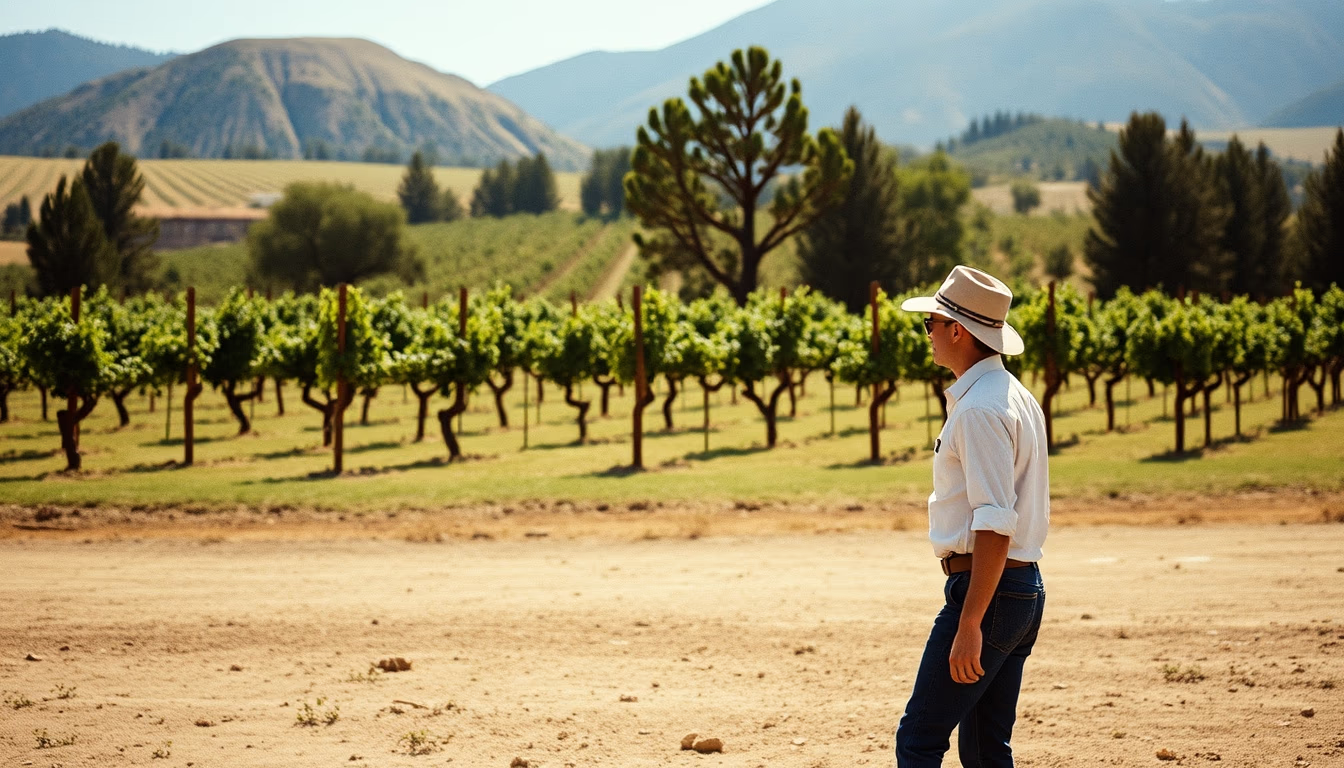
Mendoza, at the foot of the Andes, is the heart of Argentine viticulture, famous for its high-altitude Malbecs and stunning landscapes.
About this subject
The wine region of Mendoza accounts for about 70% of Argentina's wine production, making it the largest and most important in the country. Located in western Argentina near the Andes mountain range, the region benefits from a unique combination of altitude (between 600 and 1,200 meters above sea level), alluvial soils, and a semi-arid continental climate with wide temperature swings. These factors contribute to grapes with thicker skins, concentrated tannins, and natural acidity, ideal for producing full-bodied red wines, especially the Malbec variety, which has become Argentina's wine icon.
Viticulture in Mendoza dates back to the 16th century, when Spanish colonizers brought the first vines. However, it was from the 19th century onward, with the arrival of Italian and French immigrants, that production modernized. The construction of an irrigation system using canals, fed by the Andes snowmelt, was crucial to transforming the desert into fertile lands. Today, Mendoza is home to about 1,200 wineries, from small family boutiques to large international corporations, spread across sub-regions such as Luján de Cuyo, Maipú, and the Uco Valley, the latter known for even higher altitude wines.
In addition to Malbec, Mendoza grows other varieties like Cabernet Sauvignon, Syrah, Chardonnay, and Torrontés. The region is also a renowned wine and food tourism destination, attracting visitors to routes such as the Ruta del Vino, which combines tastings, vineyard landscapes against the Andes, and local gastronomy. Events like the National Grape and Wine Festival, held in March, celebrate Mendoza's wine culture. The arid and sunny climate, with over 300 days of sunshine per year, ensures healthy and consistent harvests, making Mendoza a successful example of adapting viticulture to extreme conditions.
Frequently Asked Questions
What is the best time to visit Mendoza?
The best time is between March and May (autumn) during the harvest and the National Grape and Wine Festival, or between September and November (spring) when the landscapes are in bloom.
Why is Mendoza's Malbec so famous?
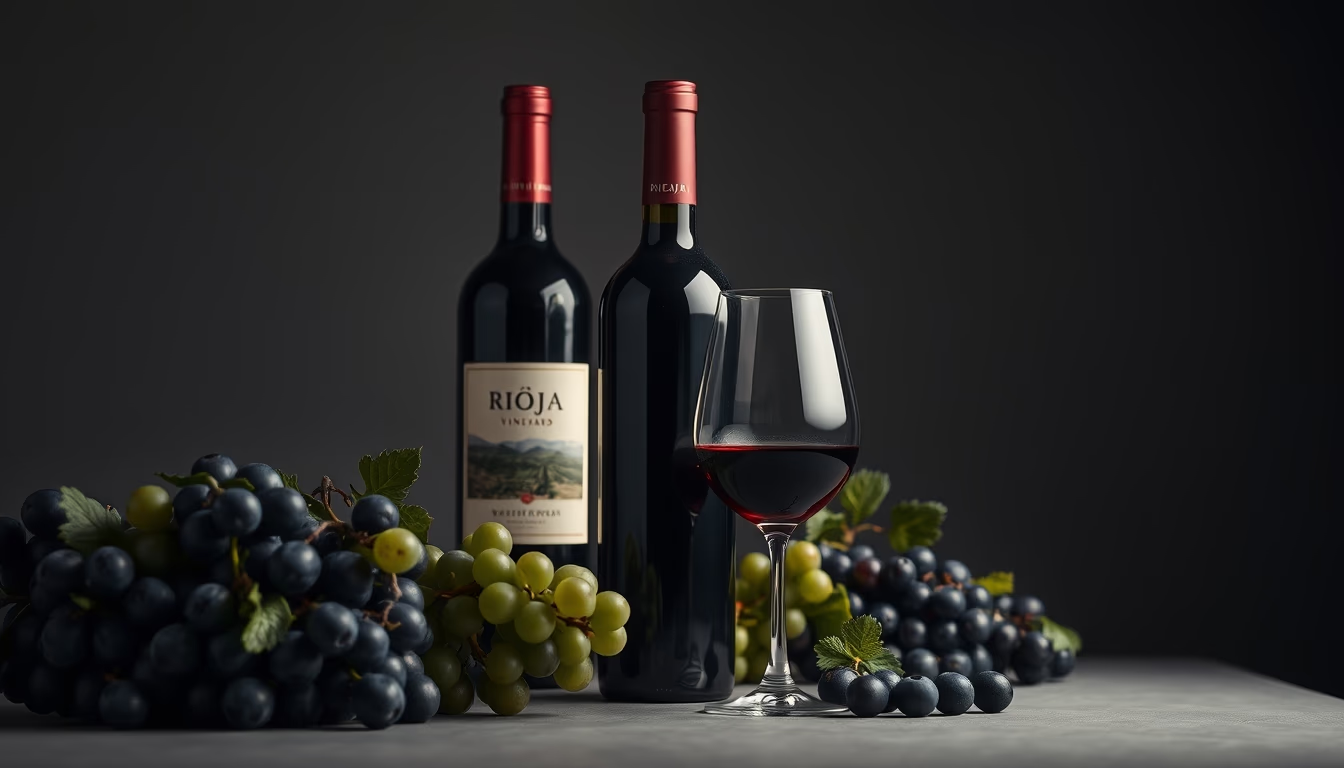
Malbec adapted perfectly to Mendoza's high-altitude climate and sandy soils, producing wines with intense color, soft tannins, and dark fruit flavors, making it Argentina's signature grape.
What are the main wine sub-regions of Mendoza?
The main ones are Luján de Cuyo (Argentina's first appellation of origin), Maipú (traditional and close to the city), and the Uco Valley (high altitude, more elegant and fresh wines).
Direct URL
https://pub-c7d6a6ea828543ac903a74a341ccb2e1.r2.dev/imagens/mendoza-argentine-vineyard-documentary-nature-style-fresh14.avifHow to credit
Include a visible link back to UtilizAí. Copy one of the snippets below:
<a href="https://xn--utiliza-eza.com/en/midia/imagens/mendoza-argentine-vineyard-documentary-nature-style-fresh14">Mendoza argentine vineyard</a> by <a href="https://xn--utiliza-eza.com">UtilizAí</a>, licensed under <a href="https://creativecommons.org/licenses/by/4.0/">CC BY 4.0</a>.
[Mendoza argentine vineyard](https://xn--utiliza-eza.com/en/midia/imagens/mendoza-argentine-vineyard-documentary-nature-style-fresh14) by [UtilizAí](https://xn--utiliza-eza.com), CC BY 4.0
License: CC-BY-4.0