Mendoza argentine vineyard
1344×768 · AVIF · CC BY 4.0
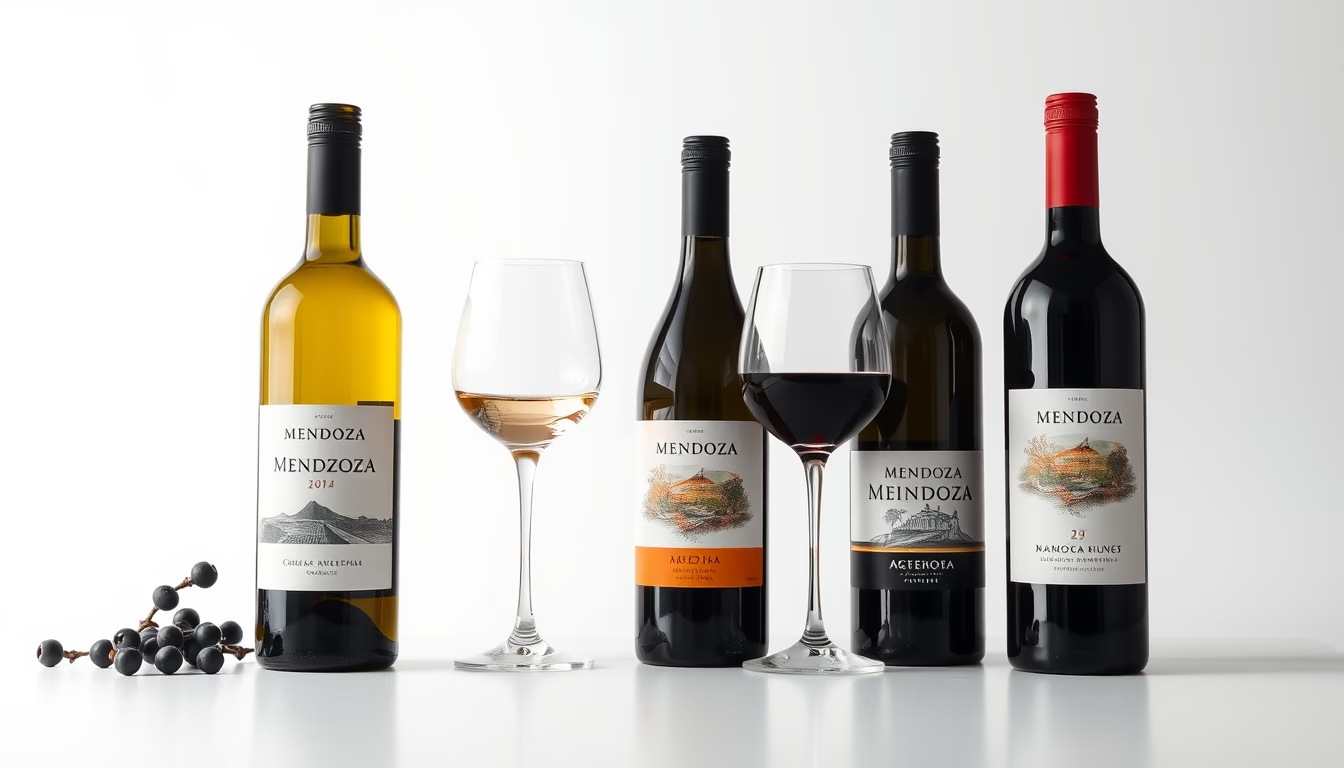
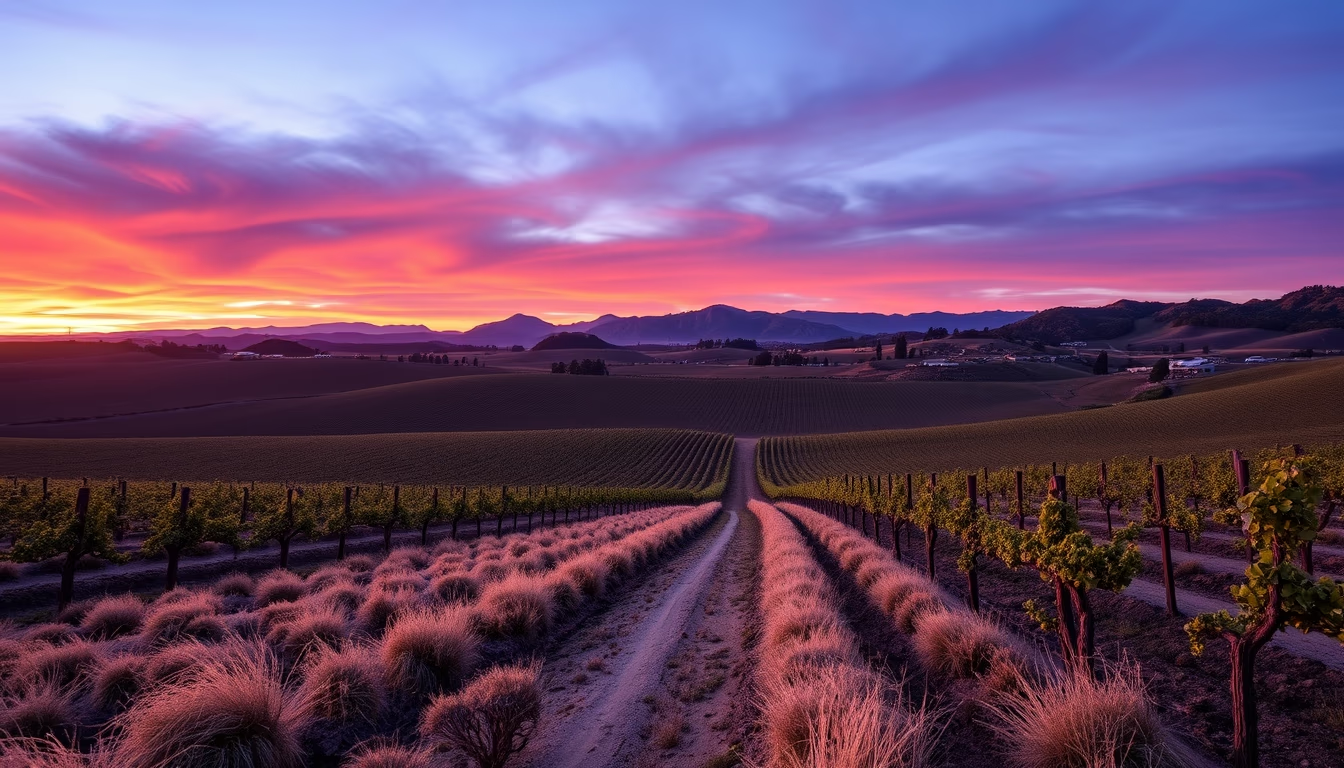
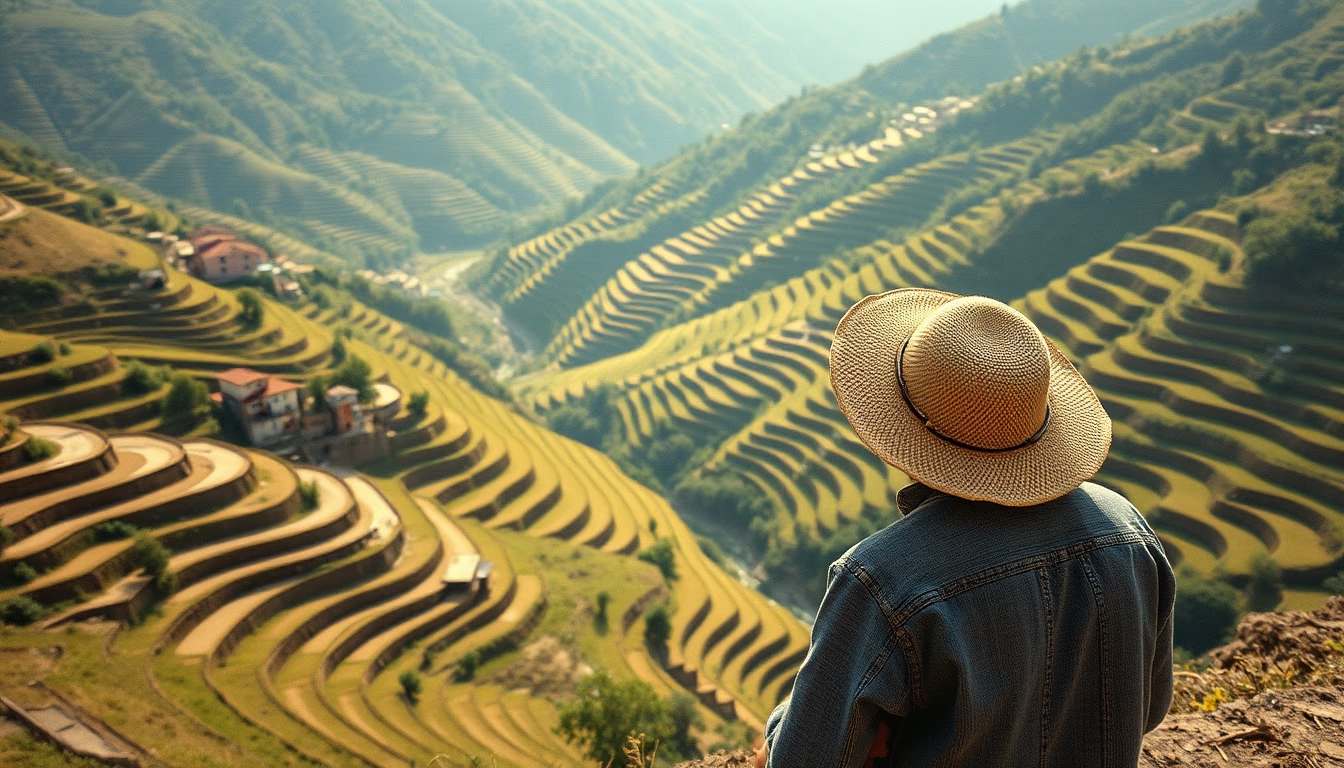
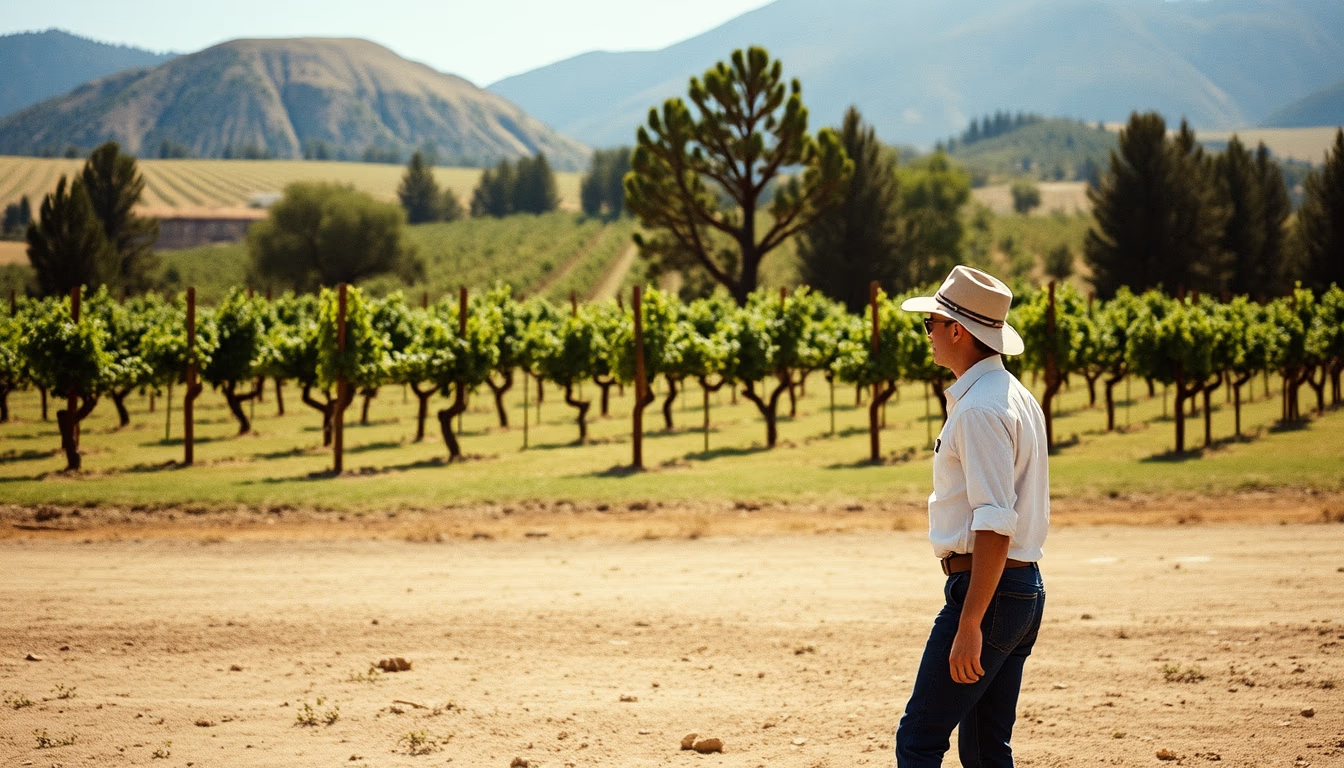
Viticulture in Mendoza, Argentina, is one of the most important in South America, with vineyards set at the foot of the Andes.
About this subject
Mendoza is the largest and most renowned wine region in Argentina, accounting for about 70% of the country's wine production. Located in the west, bordering Chile, the region benefits from the altitude of the Andes foothills, ranging from 600 to 1,200 meters above sea level. This elevation, combined with a semi-arid climate, sandy soils, and meltwater from the Andes, creates ideal conditions for growing high-quality grapes.
The emblematic grape of Mendoza is Malbec, which found a perfect terroir to express its potential. Introduced in the 19th century, Malbec adapted so well that it is now the symbol of Argentine wines. Other important varieties include Cabernet Sauvignon, Merlot, Syrah, and Chardonnay. The region has several sub-regions such as Luján de Cuyo, Maipú, and the Uco Valley, each with distinct soil and microclimate characteristics.
Mendoza's winemaking history dates back to the 16th century, when Spanish colonizers brought the first vines. However, it was in the late 19th century, with the arrival of European immigrants, especially Italians and French, that the wine industry consolidated. Today, Mendoza is a top tourist destination, with hundreds of wineries open for visits, offering tastings, tours, and gastronomic experiences.
Wine production in Mendoza is driven by sustainable practices and technological innovation. The region boasts controlled denominations of origin, such as DOC Luján de Cuyo, and is internationally recognized for the quality of its wines, especially full-bodied reds. Beyond Malbec, wines like Torrontés (from the neighboring province of Salta) and Bordeaux-style blends gain prominence, but Mendoza remains the wine heart of the country.
Frequently Asked Questions
Why is Mendoza famous for its wines?
Mendoza is famous for its unique altitude, semi-arid climate, and alluvial soils, which favor the cultivation of Malbec grapes, resulting in full-bodied, high-quality red wines.
What is the average altitude of vineyards in Mendoza?
Vineyards in Mendoza are located between 600 and 1,200 meters above sea level, with most high-altitude wineries in the Uco Valley, where temperature variations are greater.
Which grapes are most grown in Mendoza?
The most grown grape is Malbec, followed by Cabernet Sauvignon, Merlot, Syrah, and Chardonnay. There are also plantings of Bonarda and Tempranillo.
Direct URL
https://pub-c7d6a6ea828543ac903a74a341ccb2e1.r2.dev/imagens/mendoza-argentine-vineyard-commercial-product-photography-fresh13.avifHow to credit
Include a visible link back to UtilizAí. Copy one of the snippets below:
<a href="https://xn--utiliza-eza.com/en/midia/imagens/mendoza-argentine-vineyard-commercial-product-photography-fresh13">Mendoza argentine vineyard</a> by <a href="https://xn--utiliza-eza.com">UtilizAí</a>, licensed under <a href="https://creativecommons.org/licenses/by/4.0/">CC BY 4.0</a>.
[Mendoza argentine vineyard](https://xn--utiliza-eza.com/en/midia/imagens/mendoza-argentine-vineyard-commercial-product-photography-fresh13) by [UtilizAí](https://xn--utiliza-eza.com), CC BY 4.0
License: CC-BY-4.0