Mendoza argentine vineyard
1344×768 · AVIF · CC BY 4.0
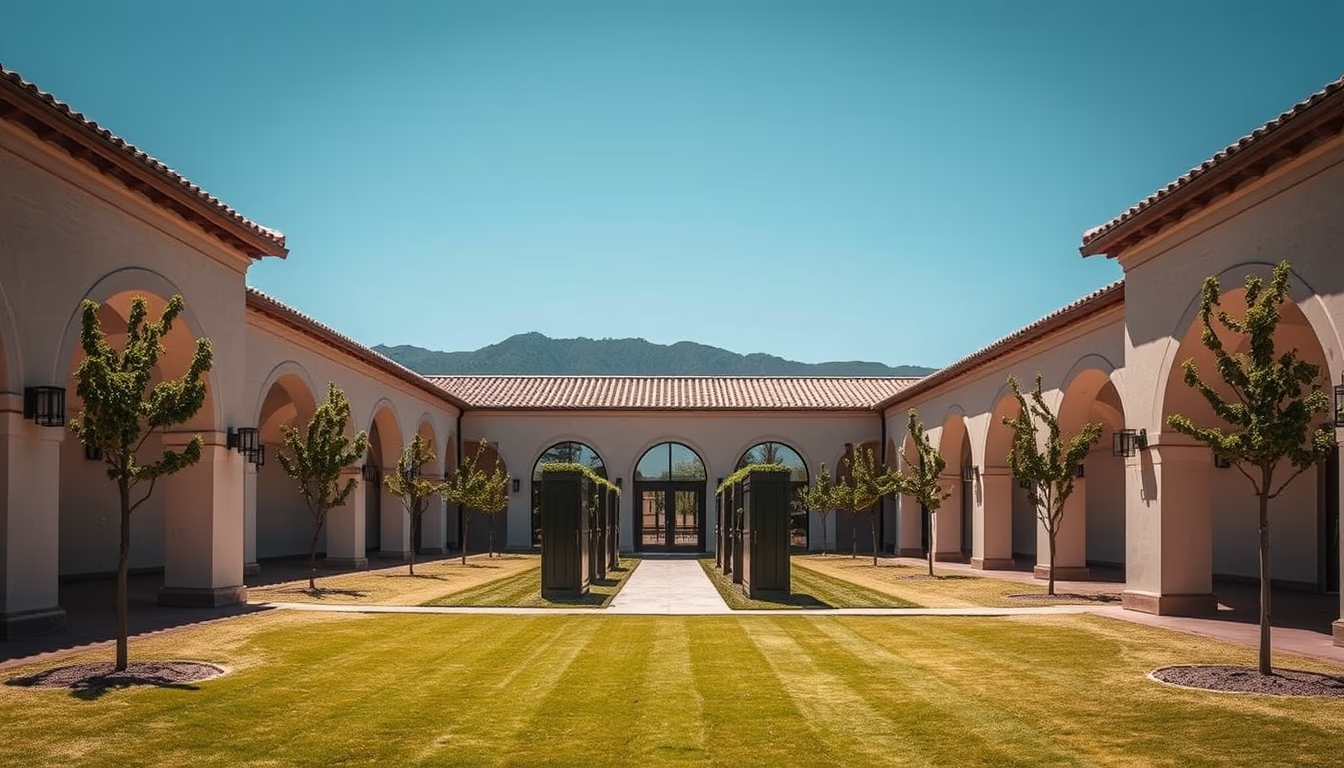
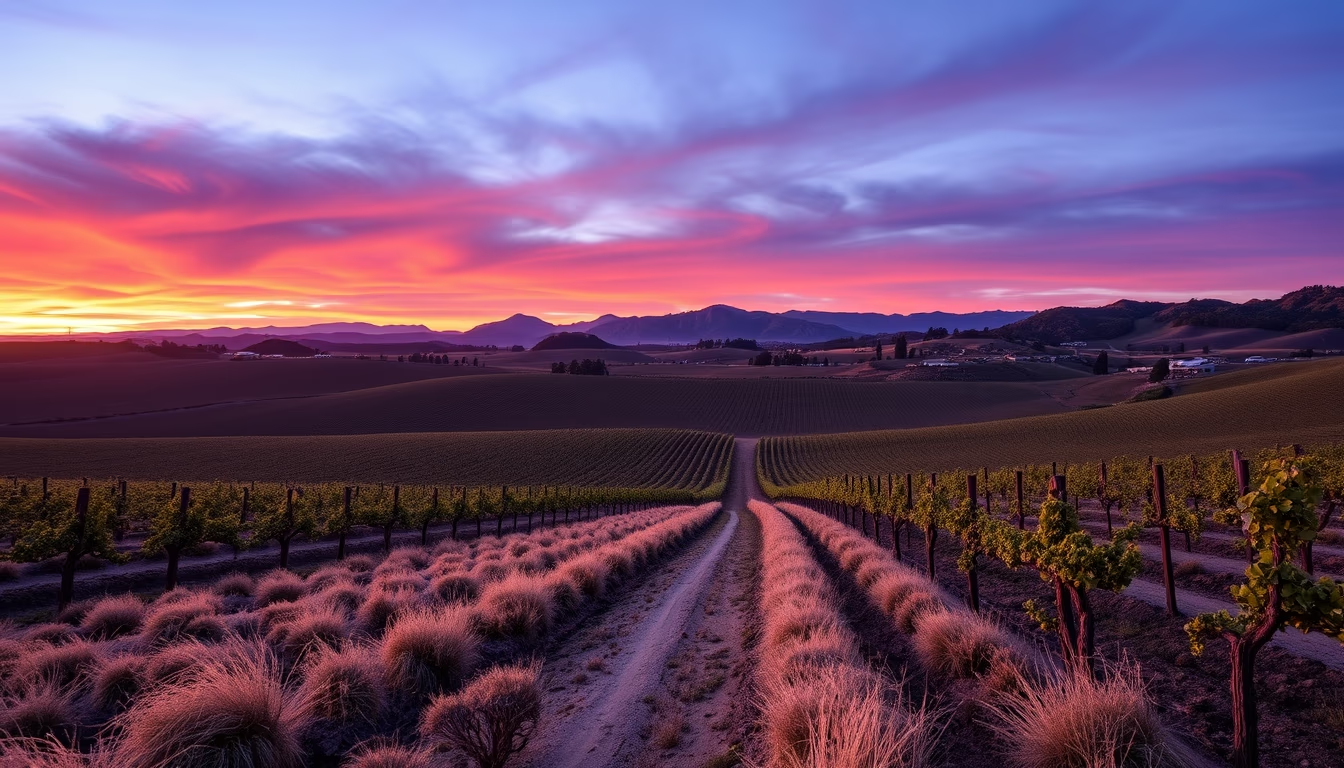
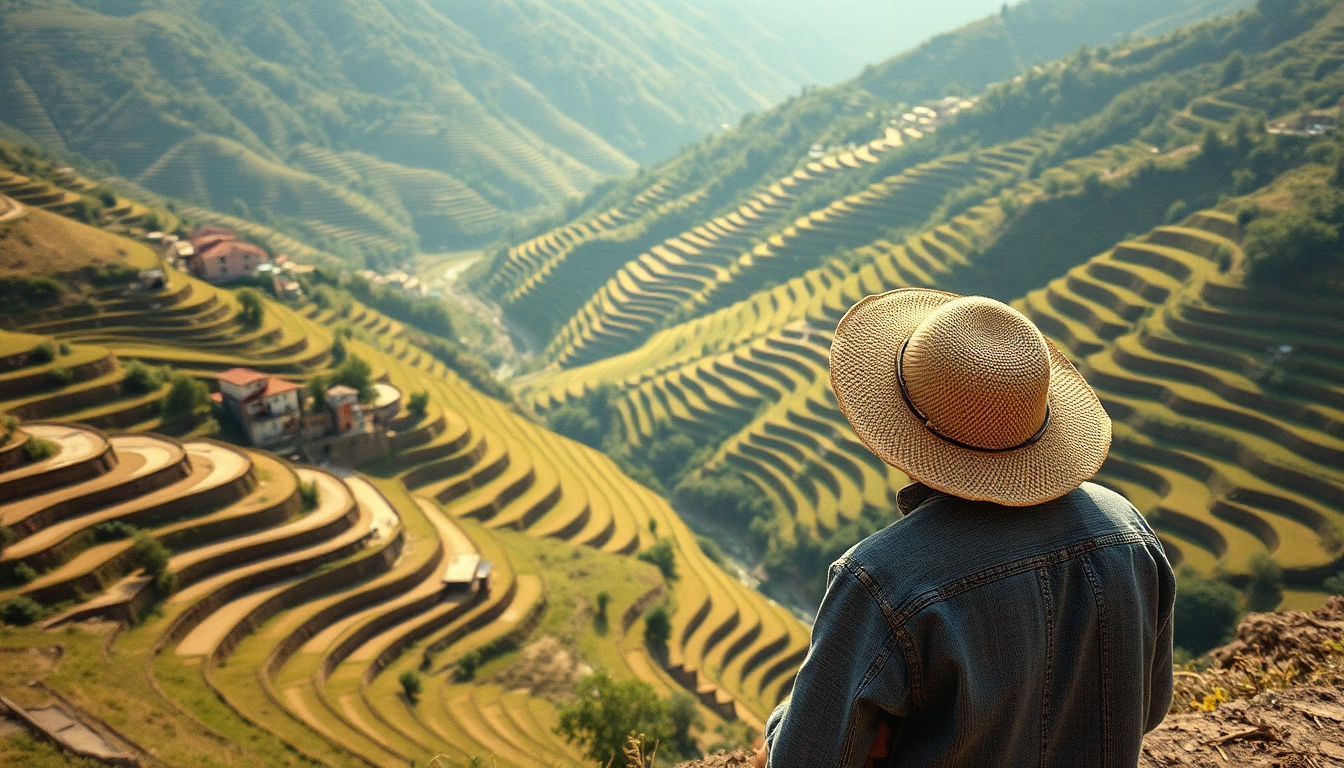
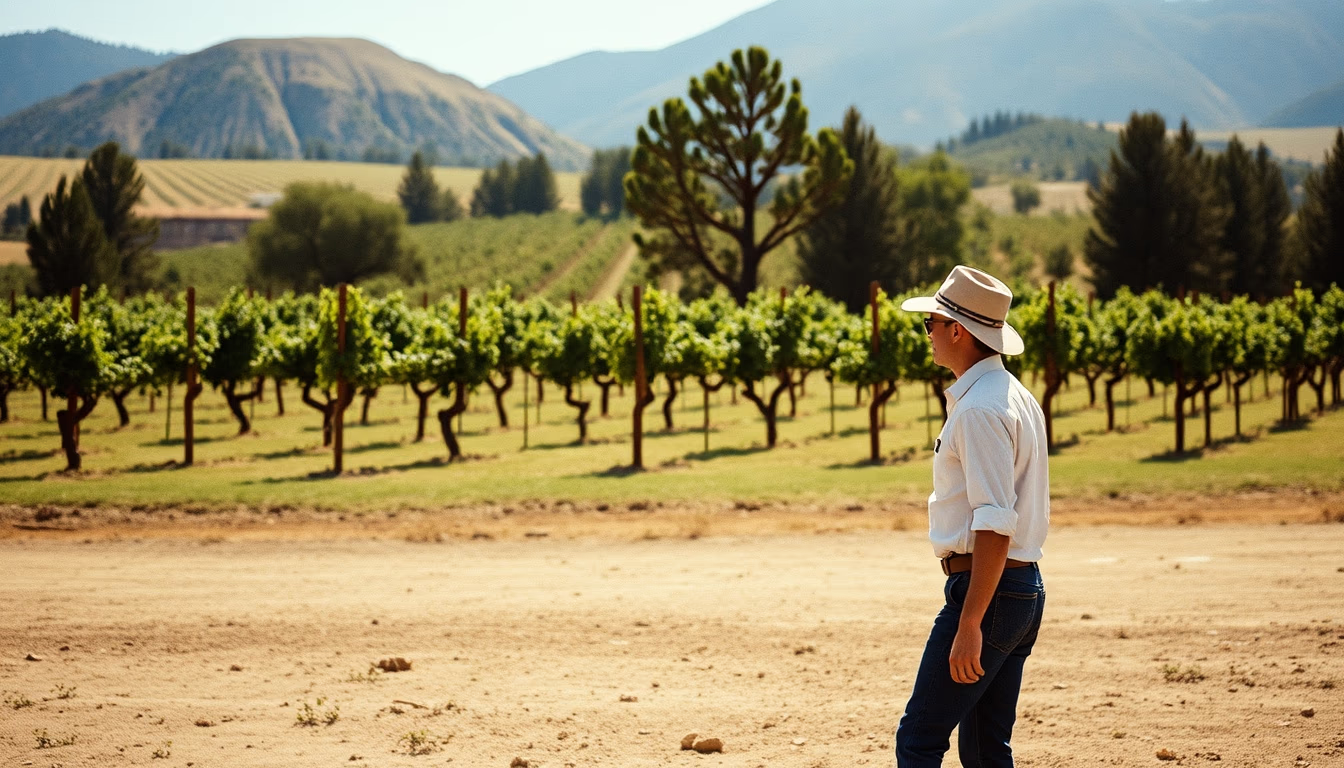
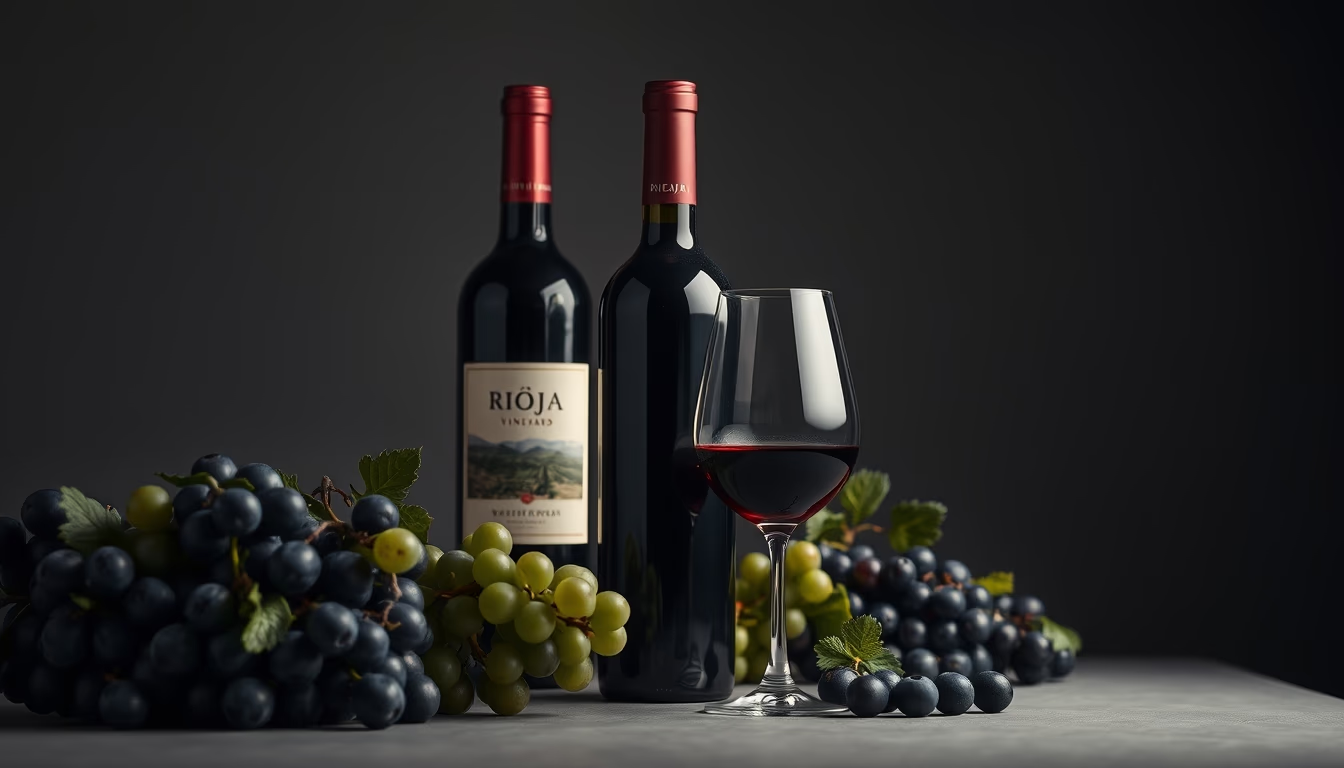
Mendoza's wine region in Argentina is one of the world's largest wine producers, renowned for its Malbecs and stunning landscapes at the foot of the Andes.
About this subject
Mendoza is the heart of Argentina's wine industry, accounting for roughly 70% of the country's wine production. Located in western Argentina in the rain shadow of the Andes, the region enjoys a dry, sunny climate with large daily temperature swings, ideal for growing high-quality grapes. Vineyard altitudes range from 600 to 1,200 meters, giving wines intense aromas and smooth tannins.
Winemaking history in Mendoza dates back to the 16th century when Spanish colonizers brought the first vines. However, it was the arrival of Italian and Spanish immigrants in the late 19th century that modernized production. Today, Mendoza is home to hundreds of wineries, from small family estates to large international names. The signature grape is Malbec, which found its ideal terroir in Mendoza, producing full-bodied, fruity wines that have conquered the globe.
The irrigation system is an engineering feat: canals and aqueducts carry meltwater from the Andes to the vineyards, enabling cultivation in a semi-arid region. Beyond viticulture, the area is famous for wine tourism, with routes like the Ruta del Vino that pass through historic and modern wineries featuring stunning architecture, often designed by renowned architects. This blend of natural landscape and harmonious buildings attracts photographers and architecture enthusiasts.
Fun facts: Mendoza not only produces Malbec but also Cabernet Sauvignon, Bonarda, Torrontés, and other varieties. The National Vendimia Festival, held in March, is one of the world's largest wine festivals, with parades, shows, and the election of the Grape Queen. Nearby Aconcagua Park contains the highest peak in the Americas, adding to the dramatic backdrop of the vineyards.
Frequently Asked Questions
Why is Mendoza famous for wine production?
Mendoza is famous for its dry climate, high altitude, and ideal soils for grape growing, especially Malbec. The region produces about 70% of Argentine wine and is known for high-quality wines.
What is the best time to visit Mendoza?
The best time is during the harvest in March, when the National Vendimia Festival takes place. Autumn (March to May) offers mild weather and colorful landscapes. Spring (September to November) is also pleasant.
What makes the architecture of Mendoza's wineries special?
Many wineries blend tradition and modernity, with designs by renowned architects that integrate into the Andean landscape. Examples include Bodega Catena Zapata, inspired by Mayan pyramids, and Bodega O. Fournier, with avant-garde design.
Direct URL
https://pub-c7d6a6ea828543ac903a74a341ccb2e1.r2.dev/imagens/mendoza-argentine-vineyard-architectural-photography-fresh16.avifHow to credit
Include a visible link back to UtilizAí. Copy one of the snippets below:
<a href="https://xn--utiliza-eza.com/en/midia/imagens/mendoza-argentine-vineyard-architectural-photography-fresh16">Mendoza argentine vineyard</a> by <a href="https://xn--utiliza-eza.com">UtilizAí</a>, licensed under <a href="https://creativecommons.org/licenses/by/4.0/">CC BY 4.0</a>.
[Mendoza argentine vineyard](https://xn--utiliza-eza.com/en/midia/imagens/mendoza-argentine-vineyard-architectural-photography-fresh16) by [UtilizAí](https://xn--utiliza-eza.com), CC BY 4.0
License: CC-BY-4.0