Medieval coin tarnished
1344×768 · JPG · CC BY 4.0
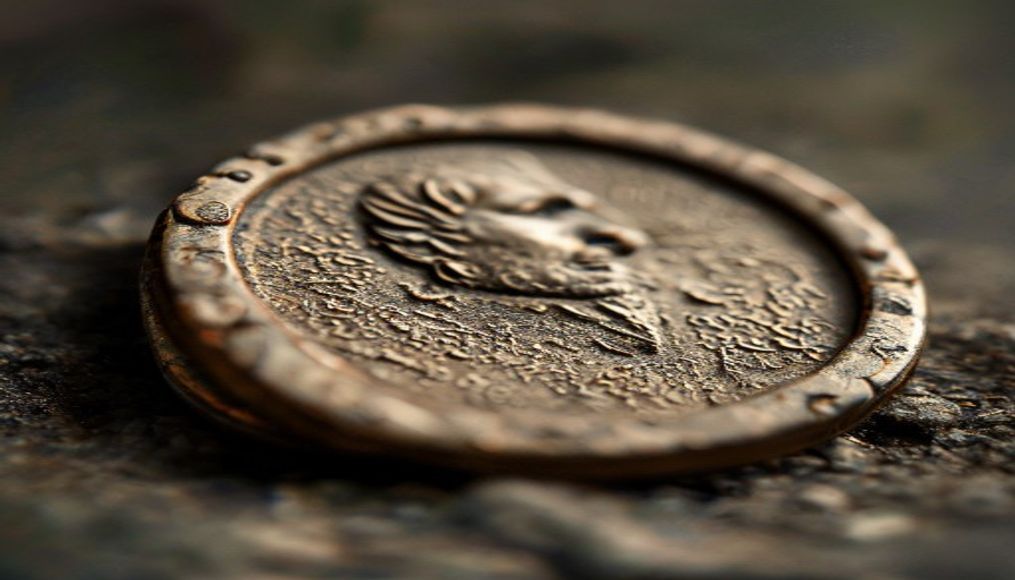
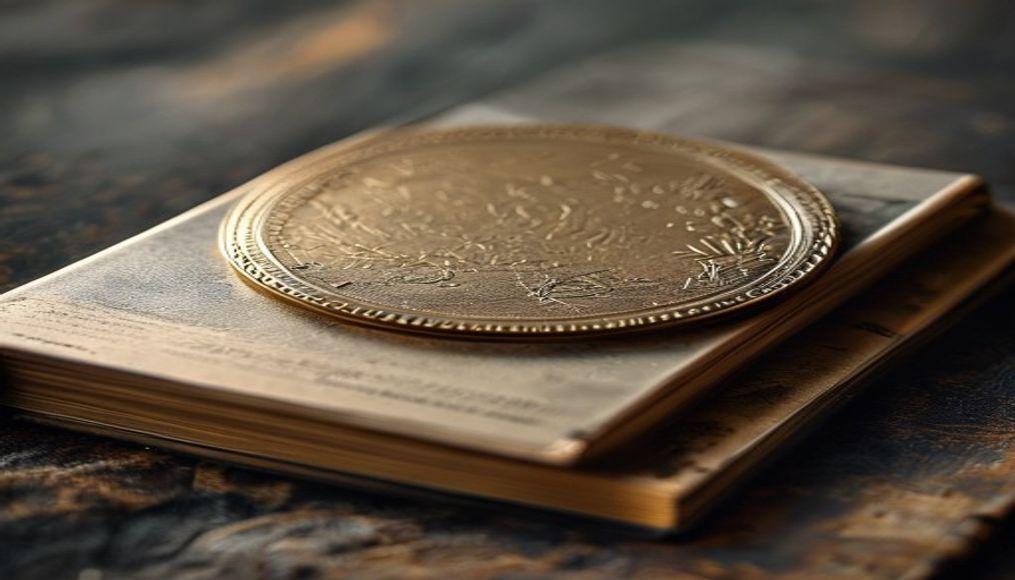
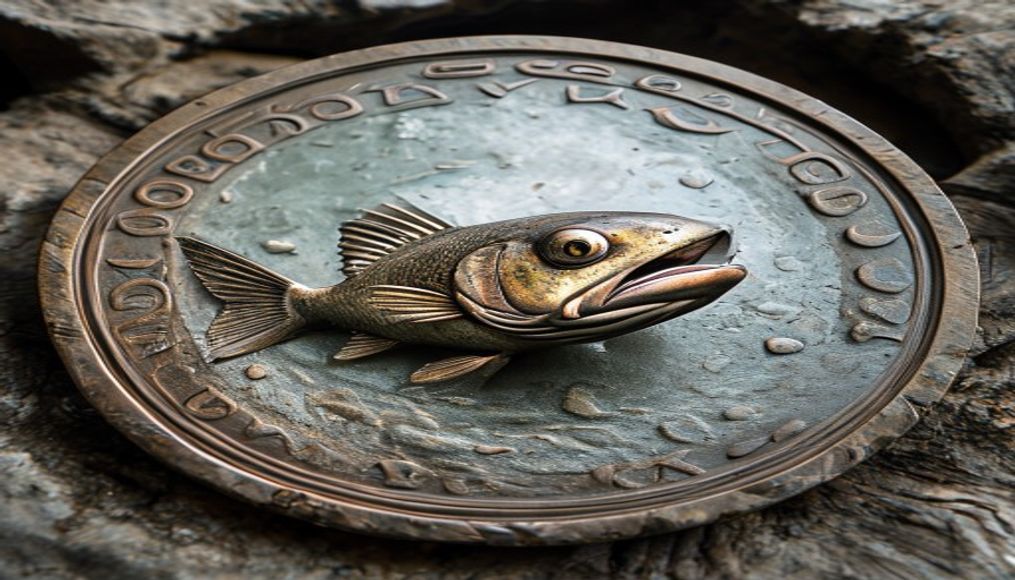
Tarnished medieval coin, typical of archaeological finds, reveals centuries of circulation and wear.
About this subject
Medieval coins were typically minted in metals like silver, billon (an alloy of silver and copper), or less commonly gold. The dark patina, or tarnish, results from natural oxidation over centuries, especially from contact with sulfur in the soil or air. This chemical process not only darkens the surface but can form a protective layer that preserves details of the minting, such as inscriptions and heraldic symbols.
In medieval Europe, coin production was a royal or seigniorial prerogative, and each region developed its own designs. Silver coins, such as the denarius or penny, circulated widely in local trade, while gold was reserved for high-value transactions. The state of tarnish can indicate anything from heavy circulation to burial in hoards or graves, offering valuable clues for archaeologists.
Interestingly, the degree of tarnish and the alloy composition help date the coin: older coins of high-purity silver tend to develop a more uniform patina, while billon ones may show greenish spots due to copper. The absence of tarnish on a supposedly old coin may suggest chemical cleaning, which reduces its numismatic value. Today, collectors and historians use techniques like X-ray fluorescence to analyze composition without damaging the piece.
Frequently Asked Questions
Why do medieval coins darken over time?
The darkening is caused by natural oxidation of the metal, especially silver reacting with sulfur in the air and soil. This forms a silver sulfide layer, giving the dark or grayish color known as patina.
How can I identify an authentic medieval coin?
Check weight, diameter, and minting details like letters and figures. Authentic coins usually show uneven wear and natural patina. Consulting numismatic catalogs and experts, along with non-destructive composition testing, helps confirm authenticity.
Does a tarnished medieval coin have value?
Yes, as long as it is not damaged to the point of losing details. Patina is expected and can even increase value if well-preserved. Chemically cleaned coins lose value because the original surface is damaged.
Direct URL
https://pub-c7d6a6ea828543ac903a74a341ccb2e1.r2.dev/imagens/medieval-coin-tarnished-tilt-shift-miniature-p4.jpgHow to credit
Include a visible link back to UtilizAí. Copy one of the snippets below:
<a href="https://xn--utiliza-eza.com/en/midia/imagens/medieval-coin-tarnished-tilt-shift-miniature-p4">Medieval coin tarnished</a> by <a href="https://xn--utiliza-eza.com">UtilizAí</a>, licensed under <a href="https://creativecommons.org/licenses/by/4.0/">CC BY 4.0</a>.
[Medieval coin tarnished](https://xn--utiliza-eza.com/en/midia/imagens/medieval-coin-tarnished-tilt-shift-miniature-p4) by [UtilizAí](https://xn--utiliza-eza.com), CC BY 4.0
License: CC-BY-4.0