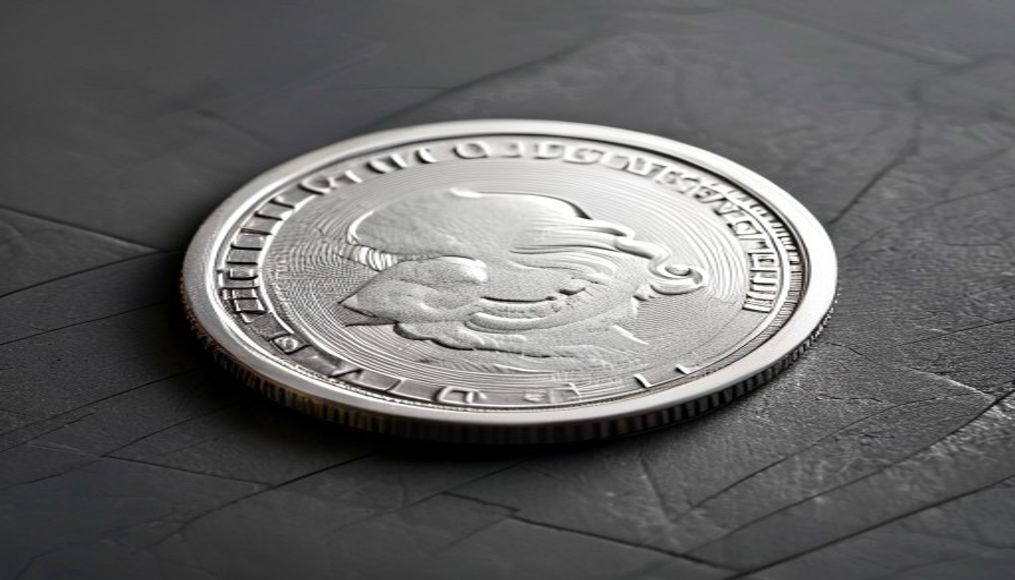
Medieval coin tarnished
1344×768 · AVIF · CC BY 4.0
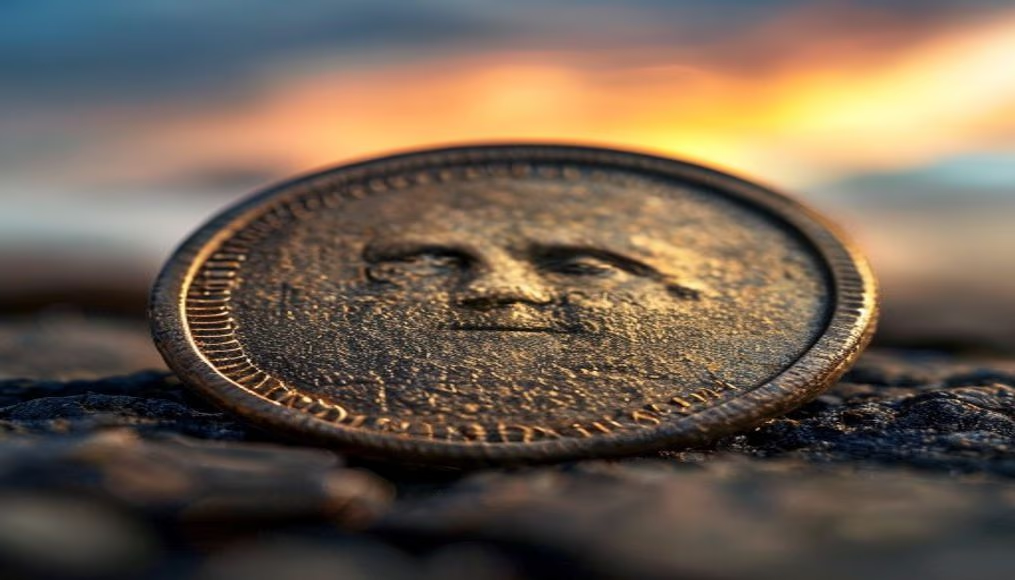
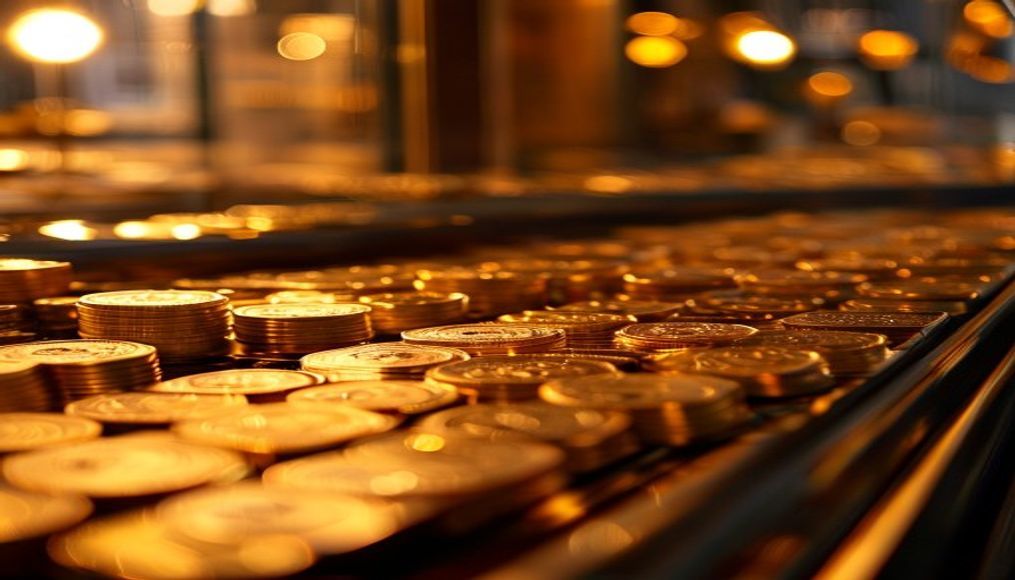
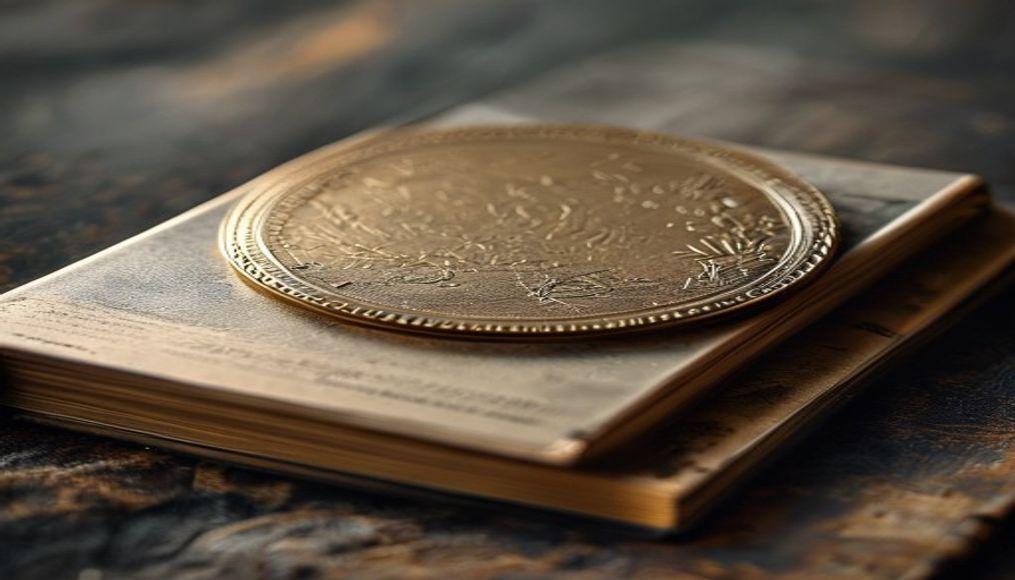
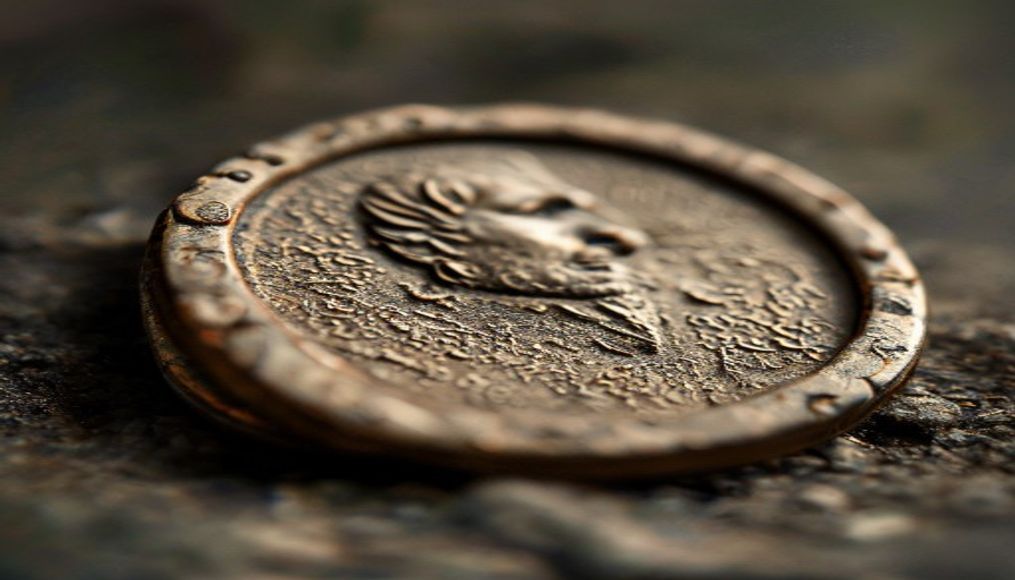
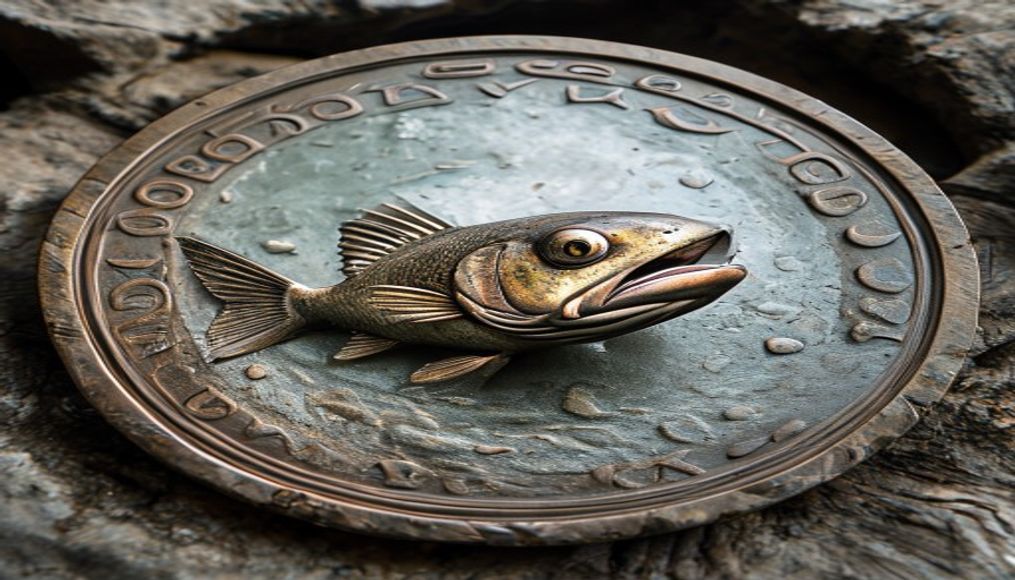
A tarnished medieval coin reveals centuries of history: minted between the 10th and 15th centuries, it bears marks of circulation and natural oxidation.
About this subject
Medieval coins, struck manually by goldsmiths and feudal lords, were primarily made of silver, billion (a silver-copper alloy), or gold. Currency of the period, such as the silver denier or the gold florin, circulated heavily at fairs and along trade routes. Over time, exposure to air, moisture, and sulfur in the environment causes a layer of sulfide or oxide to form on the metal surface, a process known as patina. This patina, often dark or greenish, not only protects the underlying metal but is also highly valued by collectors as a sign of authenticity and age.
Tarnishing varies by alloy: pure silver coins darken more uniformly, while billion coins may show irregular shades of green, black, or brown. Factors such as burial location, contact with salts, or pollution accelerate the process. In numismatics, patina is often preserved to maintain the coin's historical value, and aggressive cleaning is discouraged as it can remove mint details and reduce market value.
Beyond their monetary worth at the time, these coins tell stories of kingdoms, battles, and trade routes. For instance, the denarius of Charlemagne (9th century) bears the emperor's image and the minting location. The florins of Florence (13th century) were accepted across the Mediterranean. Today, tarnished medieval coins are objects of study and collection, with prices ranging from tens to thousands of dollars depending on rarity, condition, and type of patina.
Frequently Asked Questions
How to clean a tarnished medieval coin without damaging it?
Cleaning is not recommended, as patina protects the metal and proves authenticity. If unavoidable, use only distilled water and mild soap with a cotton swab, without rubbing. Avoid chemical or abrasive products.
What causes dark oxidation on silver coins?
Silver reacts with sulfur in the air (from pollution, eggs, wool) to form silver sulfide, which is black. Humidity and heat speed up the process.
What is the value of a common tarnished medieval coin?
Common coins in fair condition may be worth from $10 to $100. Rare pieces or those with well-preserved patina reach thousands. Consult a numismatist for appraisal.
Direct URL
https://pub-c7d6a6ea828543ac903a74a341ccb2e1.r2.dev/imagens/medieval-coin-tarnished-long-exposure-p1.avifHow to credit
Include a visible link back to UtilizAí. Copy one of the snippets below:
<a href="https://xn--utiliza-eza.com/en/midia/imagens/medieval-coin-tarnished-long-exposure-p1">Medieval coin tarnished</a> by <a href="https://xn--utiliza-eza.com">UtilizAí</a>, licensed under <a href="https://creativecommons.org/licenses/by/4.0/">CC BY 4.0</a>.
[Medieval coin tarnished](https://xn--utiliza-eza.com/en/midia/imagens/medieval-coin-tarnished-long-exposure-p1) by [UtilizAí](https://xn--utiliza-eza.com), CC BY 4.0
License: CC-BY-4.0