Manneken pis brussels
1344×768 · AVIF · CC BY 4.0
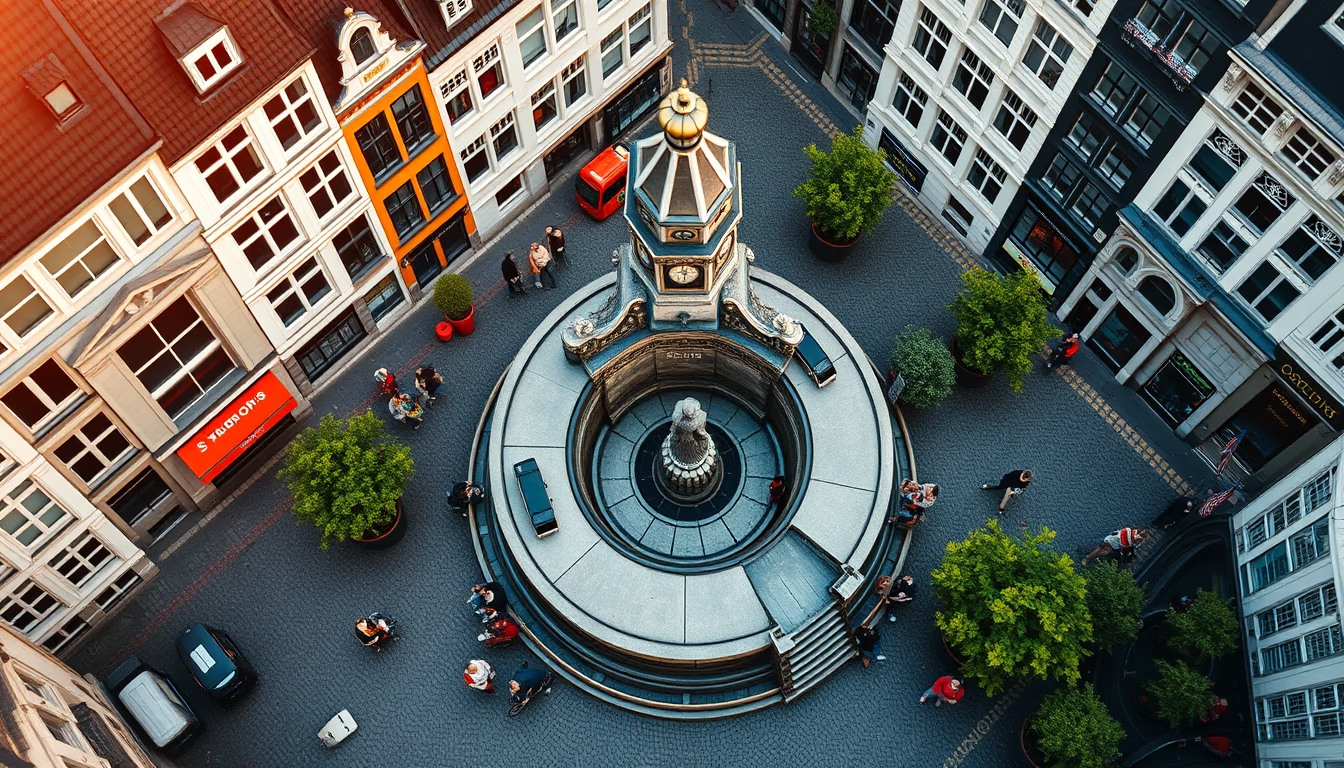
Manneken Pis is the iconic bronze statue of a urinating boy, symbol of Brussels, Belgium. Discover its history and tradition.
About this subject
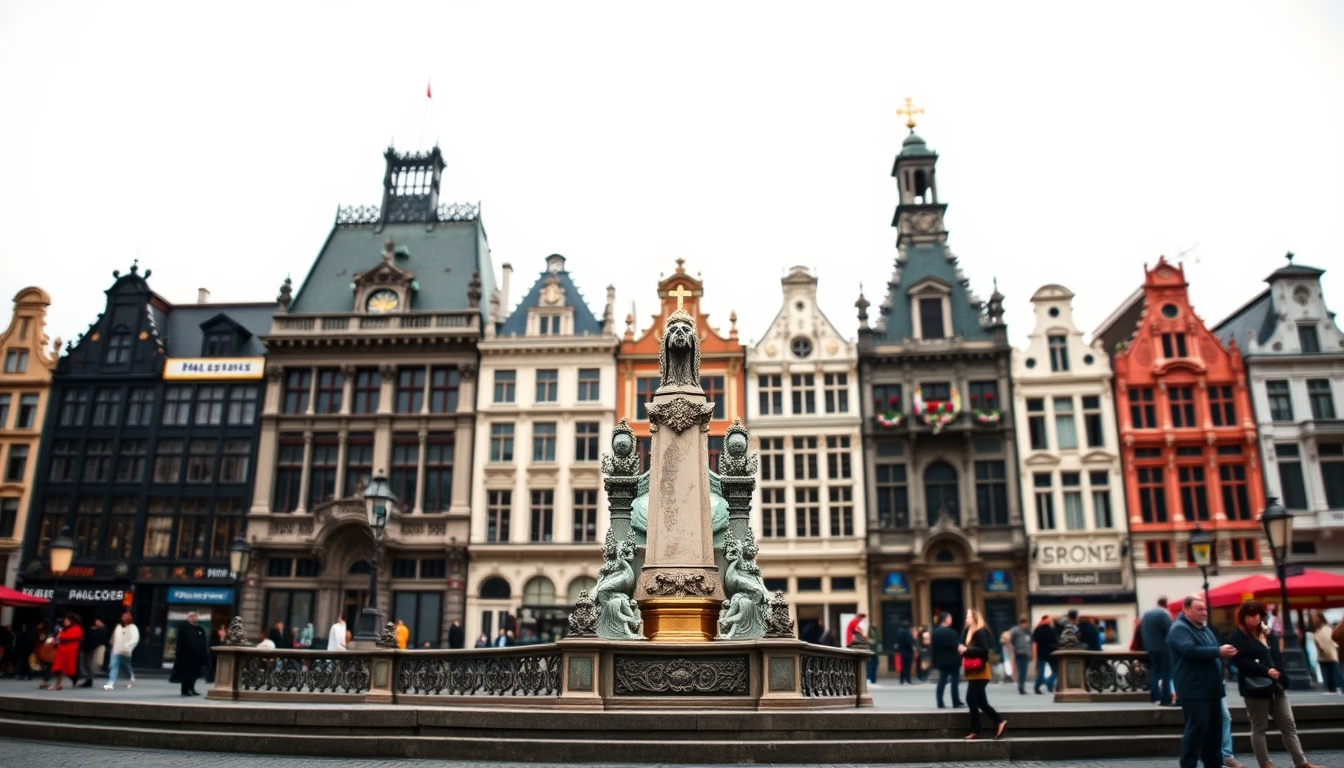
Manneken Pis, also known as 'The Pissing Boy', is a small bronze statue approximately 60 centimeters tall, located in the historic center of Brussels, Belgium. Created in 1619 by Flemish sculptor Jérôme Duquesnoy, the artwork depicts a naked boy urinating into a fountain. The piece was commissioned by the city to celebrate an ancient water supply system, but various popular legends surround its origin. One story tells that the boy saved the city by extinguishing the fuse of a bomb with his urine; another suggests he was the lost son of a nobleman, found peeing in the garden. Regardless of the version, Manneken Pis has become one of Brussels' most beloved and irreverent symbols.
The original statue was stolen and broken several times over the centuries, but always restored. The current version is a replica, with the original preserved in the Brussels City Museum. One of the most striking traditions is Manneken Pis's wardrobe: he has over a thousand costumes, donated by associations, governments, and personalities, and is dressed regularly in official ceremonies and popular festivals. The outfits range from football uniforms to typical costumes from different countries, and are maintained by the association 'Les Amis de Manneken-Pis'. The dressing calendar is public and attracts tourists who want to see him in different occasions.
Culturally, Manneken Pis represents the playful and independent spirit of the Belgians, besides being a meeting point and a tourist icon of the city. It is located a few steps from the Grand Place, a UNESCO World Heritage site, and receives millions of visitors annually. Its fame has generated replicas in several cities, such as Tokyo, Paris, and even in Brazil (in Brasília, at the City Park). Despite the scatological humor, the statue is treated with respect and affection, being one of the most photographed monuments in the country.
Frequently Asked Questions
Why is Manneken Pis so famous?
Manneken Pis is famous for its irreverence and as an iconic symbol of Brussels, along with the tradition of dressing it in hundreds of costumes throughout the year.
What is the story of the Manneken Pis statue?
Created in 1619 by Jérôme Duquesnoy, the statue depicts a urinating boy and is linked to legends about a hero who saved the city. It has been stolen and restored several times.
How many costumes does Manneken Pis have?
Manneken Pis has a wardrobe of over a thousand costumes, managed by the association 'Les Amis de Manneken-Pis', and is dressed in special ceremonies.
Direct URL
https://pub-c7d6a6ea828543ac903a74a341ccb2e1.r2.dev/imagens/manneken-pis-brussels-isometric-flat-lay-fresh6.avifHow to credit
Include a visible link back to UtilizAí. Copy one of the snippets below:
<a href="https://xn--utiliza-eza.com/en/midia/imagens/manneken-pis-brussels-isometric-flat-lay-fresh6">Manneken pis brussels</a> by <a href="https://xn--utiliza-eza.com">UtilizAí</a>, licensed under <a href="https://creativecommons.org/licenses/by/4.0/">CC BY 4.0</a>.
[Manneken pis brussels](https://xn--utiliza-eza.com/en/midia/imagens/manneken-pis-brussels-isometric-flat-lay-fresh6) by [UtilizAí](https://xn--utiliza-eza.com), CC BY 4.0
License: CC-BY-4.0