Manneken pis brussels
1344×768 · AVIF · CC BY 4.0
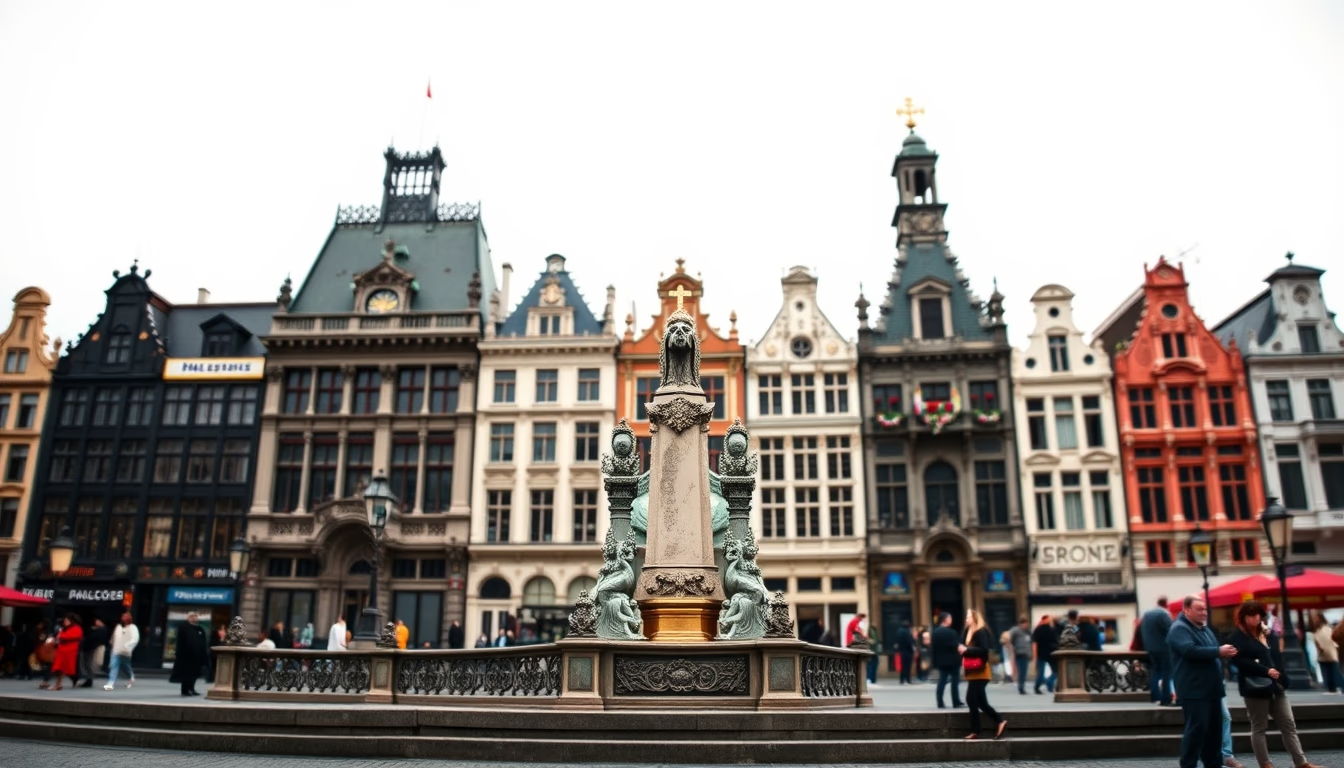
The Manneken Pis is an iconic bronze statue in Brussels, depicting a urinating boy, symbol of the city's irreverent spirit since 1619.
About this subject
The Manneken Pis, a small bronze statue only 61 centimeters high, is one of the most recognizable symbols of Brussels. Created in 1619 by Flemish sculptor Hieronymus Duquesnoy, the piece depicts a naked boy urinating into a fountain. The statue stands at the intersection of Rue de l'Étuve and Rue des Grands Carmes, in the historic center of the Belgian capital.
The exact origin of the statue is uncertain, but a popular legend tells that a boy extinguished a burning fuse that threatened to explode the city by urinating on it. Another version attributes the work to a wealthy merchant's wish to celebrate his lost and found son. Regardless of the legend, the Manneken Pis has become an emblem of the irreverent and humorous character of the Brussels people.
One of the most fascinating peculiarities of the statue is its vast collection of costumes. Since the 18th century, the Manneken Pis has been regularly dressed in outfits representing various cultures, professions, and special occasions. The wardrobe comprises over a thousand costumes, managed by the association Friends of Manneken Pis, and includes attire ranging from head-of-state suits to traditional garb from other countries. The costume-changing ceremonies are public events that attract both tourists and locals.
The statue has been the target of several thefts and acts of vandalism over the centuries, leading to the creation of an official replica for display, while the original is protected in the Brussels City Museum. Despite its modest size, the Manneken Pis remains one of the most visited tourist attractions in Belgium, generating curiosity and affection worldwide.
Frequently Asked Questions
What is the story behind the Manneken Pis?
The exact origin is uncertain, but the most famous legend tells that a boy saved Brussels by urinating on a burning fuse that would have exploded the city. The statue was created in 1619 by Hieronymus Duquesnoy and became a symbol of the irreverent humor of the Brussels people.
Why does the Manneken Pis wear different clothes?
Since the 18th century, the statue has been regularly dressed to celebrate special occasions, honor countries or professions. The wardrobe has over a thousand costumes, managed by the Friends of Manneken Pis association, and the changes are public events.
Has the Manneken Pis ever been stolen?
Yes, the statue has been stolen several times, first in 1745 by French soldiers and later in 1817 by a convict. Currently, the original is kept in the Brussels City Museum, while a replica stands on site.
Direct URL
https://pub-c7d6a6ea828543ac903a74a341ccb2e1.r2.dev/imagens/manneken-pis-brussels-high-fashion-editorial-fresh0.avifHow to credit
Include a visible link back to UtilizAí. Copy one of the snippets below:
<a href="https://xn--utiliza-eza.com/en/midia/imagens/manneken-pis-brussels-high-fashion-editorial-fresh0">Manneken pis brussels</a> by <a href="https://xn--utiliza-eza.com">UtilizAí</a>, licensed under <a href="https://creativecommons.org/licenses/by/4.0/">CC BY 4.0</a>.
[Manneken pis brussels](https://xn--utiliza-eza.com/en/midia/imagens/manneken-pis-brussels-high-fashion-editorial-fresh0) by [UtilizAí](https://xn--utiliza-eza.com), CC BY 4.0
License: CC-BY-4.0