Mammoth hot springs
1344×768 · AVIF · CC BY 4.0
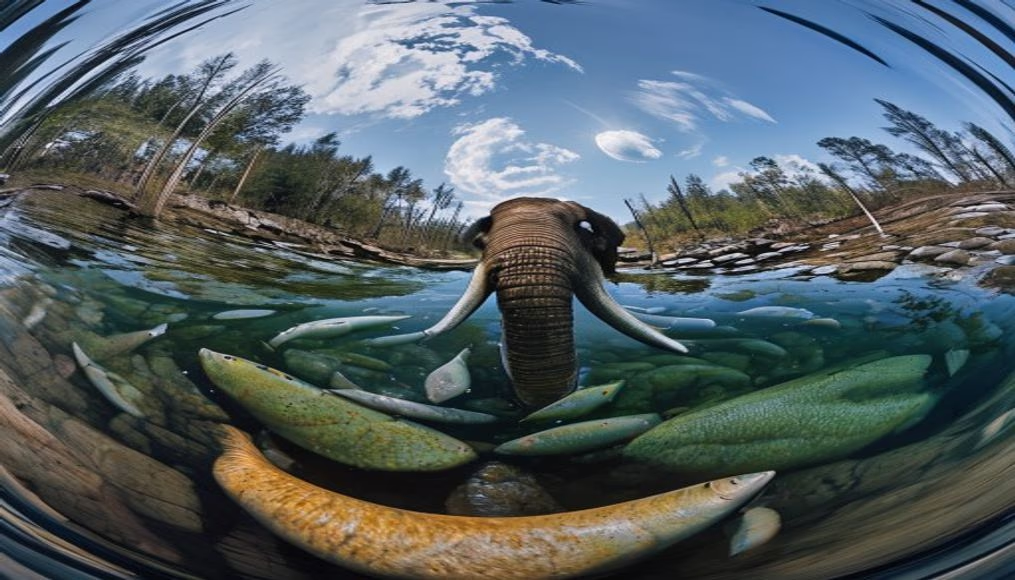
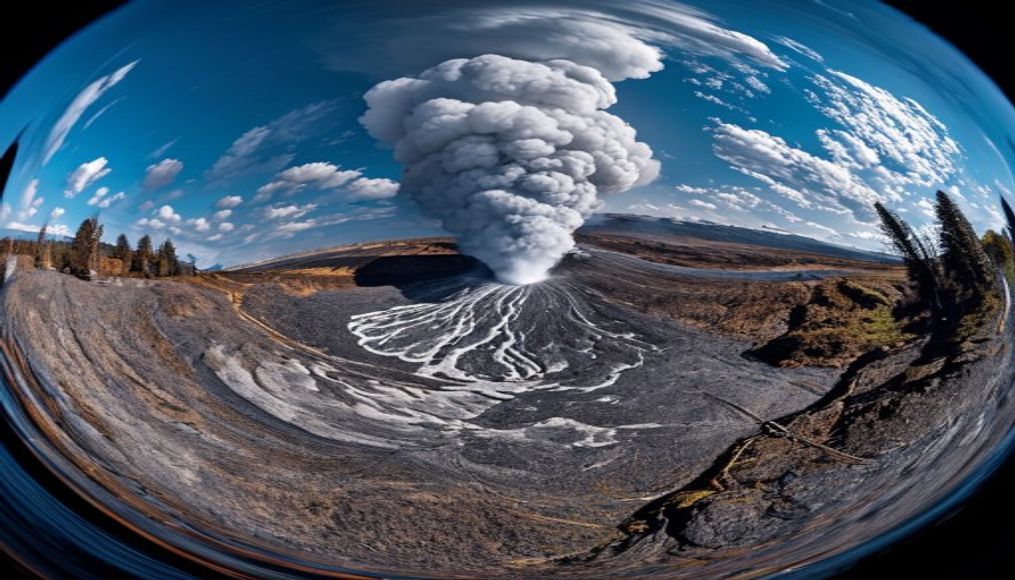
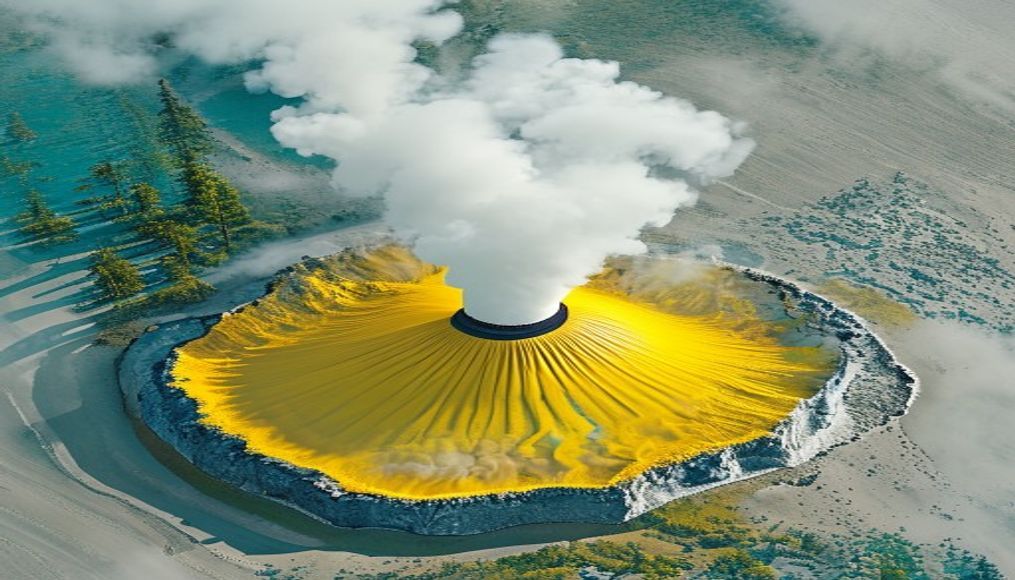
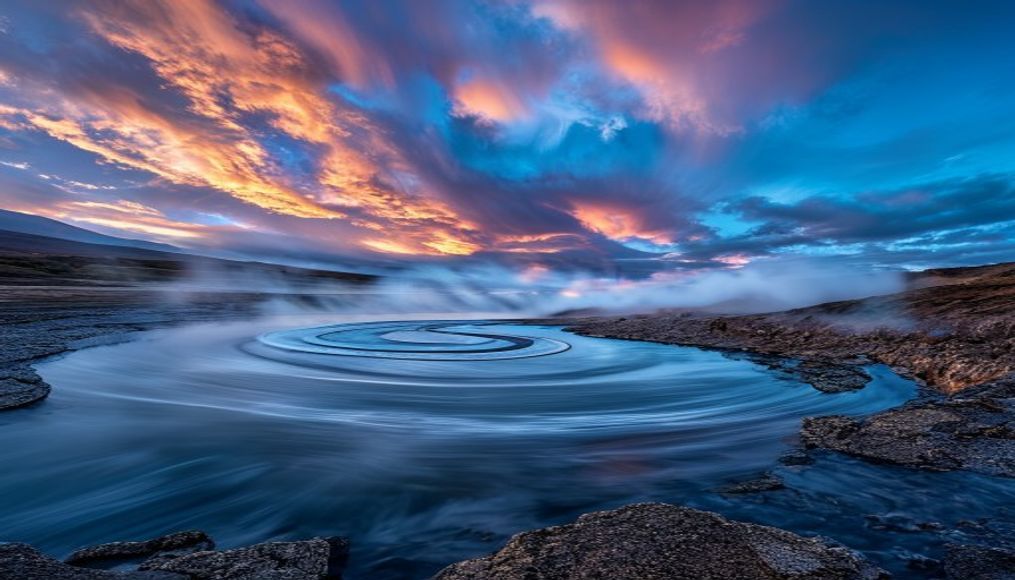
Mammoth Hot Springs in Yellowstone National Park is a complex of travertine terraces formed by calcium-carbonate-rich hot springs.
About this subject
Located in the northern part of Yellowstone National Park, USA, Mammoth Hot Springs is one of the world's most impressive geothermal phenomena. Unlike the park's geysers such as Old Faithful, its hot waters emerge at about 73°C carrying large amounts of dissolved calcium carbonate. Upon reaching the surface, the mineral precipitates and solidifies, gradually building travertine terraces that can change color depending on local microbial activity.
The terraces extend over one kilometer, with evocative names like Minerva Terrace and Palette Spring. The vibrant colors, white, orange, brown, and green, result from thermophilic algae and cyanobacteria that thrive at different temperatures. The growth rate of the terraces varies with water flow; some areas can increase by 2, 4 centimeters per year. However, seismic activity and changes in underground flow can drastically alter the landscape, with some terraces drying up and others becoming suddenly active.
Culturally, the area was known to Native American tribes before European exploration. In 1872, Yellowstone became the world's first national park, and Mammoth Hot Springs became a major attraction. Today, scientists monitor the site to study extremophile microorganisms, providing insights into the origin of life on Earth and potential analogs on other planets. Visitors can walk along wooden boardwalks that wind among the terraces, offering close views without damaging the fragile formations.
Frequently Asked Questions
What causes the formation of the terraces at Mammoth Hot Springs?
Hot springs rich in dissolved calcium carbonate emerge from underground. As the water cools and releases carbon dioxide, the mineral precipitates and solidifies, slowly building the travertine terraces.
Why do the colors of the terraces change?
The colors are determined by thermophilic microorganisms, such as algae and cyanobacteria, that live in different water temperatures. Each hue indicates a distinct microbial community.
Is Mammoth Hot Springs always active?
No. Activity varies over time. Some terraces may dry up for years and then become active again, depending on seismic changes or shifts in the underground hot water flow.
Direct URL
https://pub-c7d6a6ea828543ac903a74a341ccb2e1.r2.dev/imagens/mammoth-hot-springs-fish-eye-wide-angle-p3.avifHow to credit
Include a visible link back to UtilizAí. Copy one of the snippets below:
<a href="https://xn--utiliza-eza.com/en/midia/imagens/mammoth-hot-springs-fish-eye-wide-angle-p3">Mammoth hot springs</a> by <a href="https://xn--utiliza-eza.com">UtilizAí</a>, licensed under <a href="https://creativecommons.org/licenses/by/4.0/">CC BY 4.0</a>.
[Mammoth hot springs](https://xn--utiliza-eza.com/en/midia/imagens/mammoth-hot-springs-fish-eye-wide-angle-p3) by [UtilizAí](https://xn--utiliza-eza.com), CC BY 4.0
License: CC-BY-4.0