Loom weaving alpaca
1344×768 · AVIF · CC BY 4.0
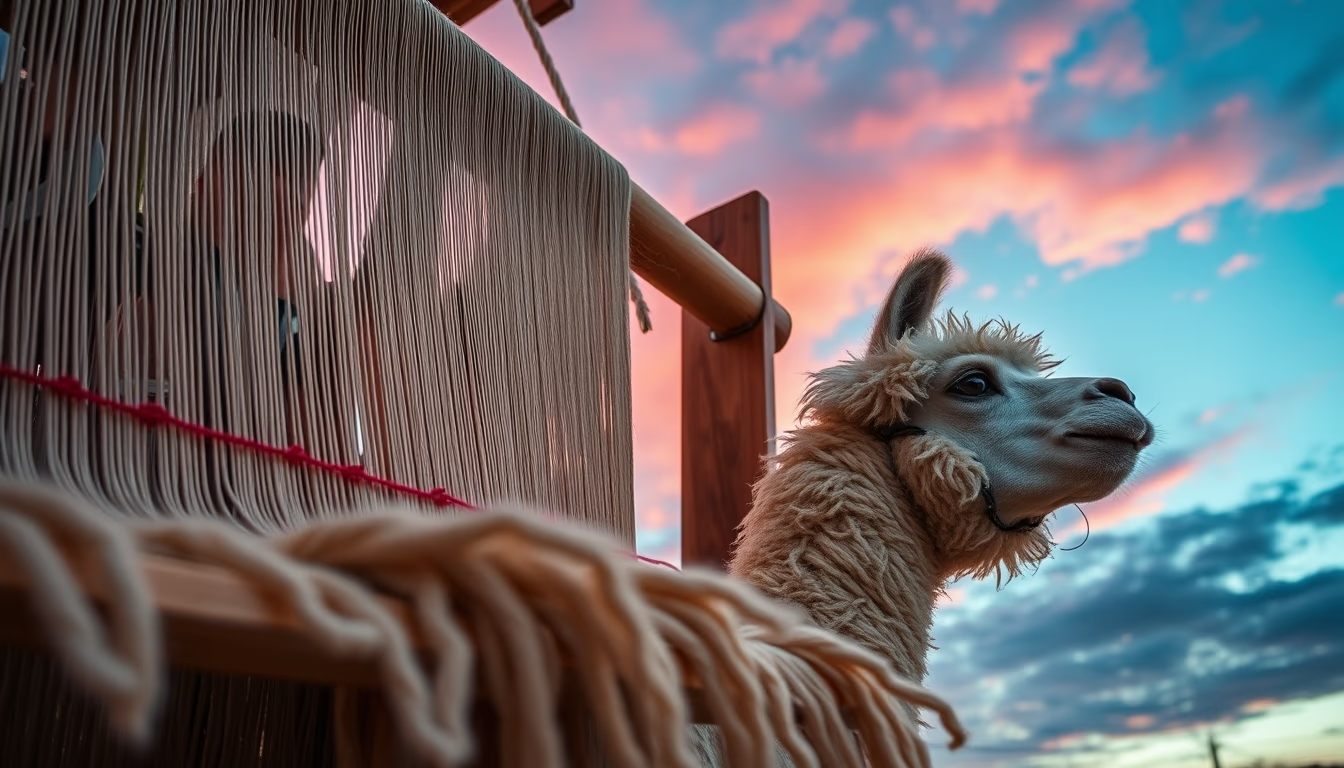
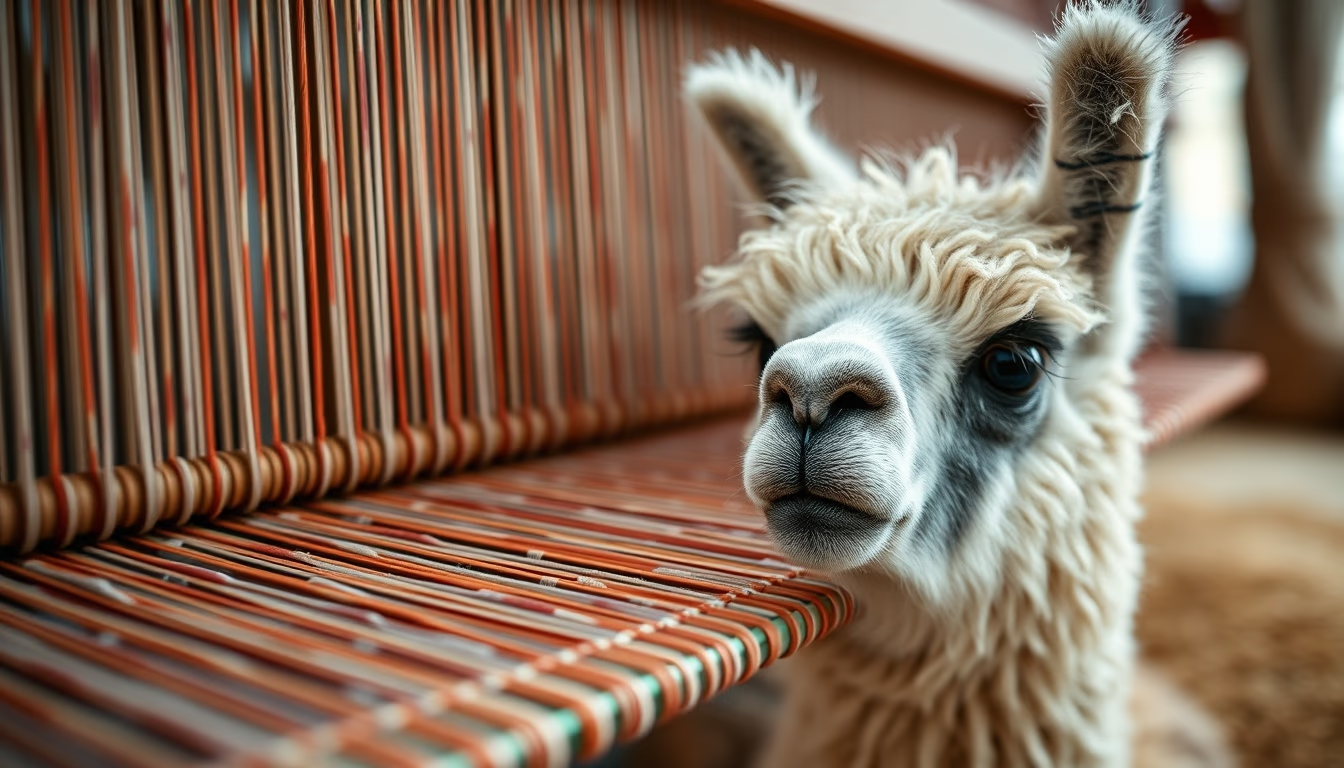
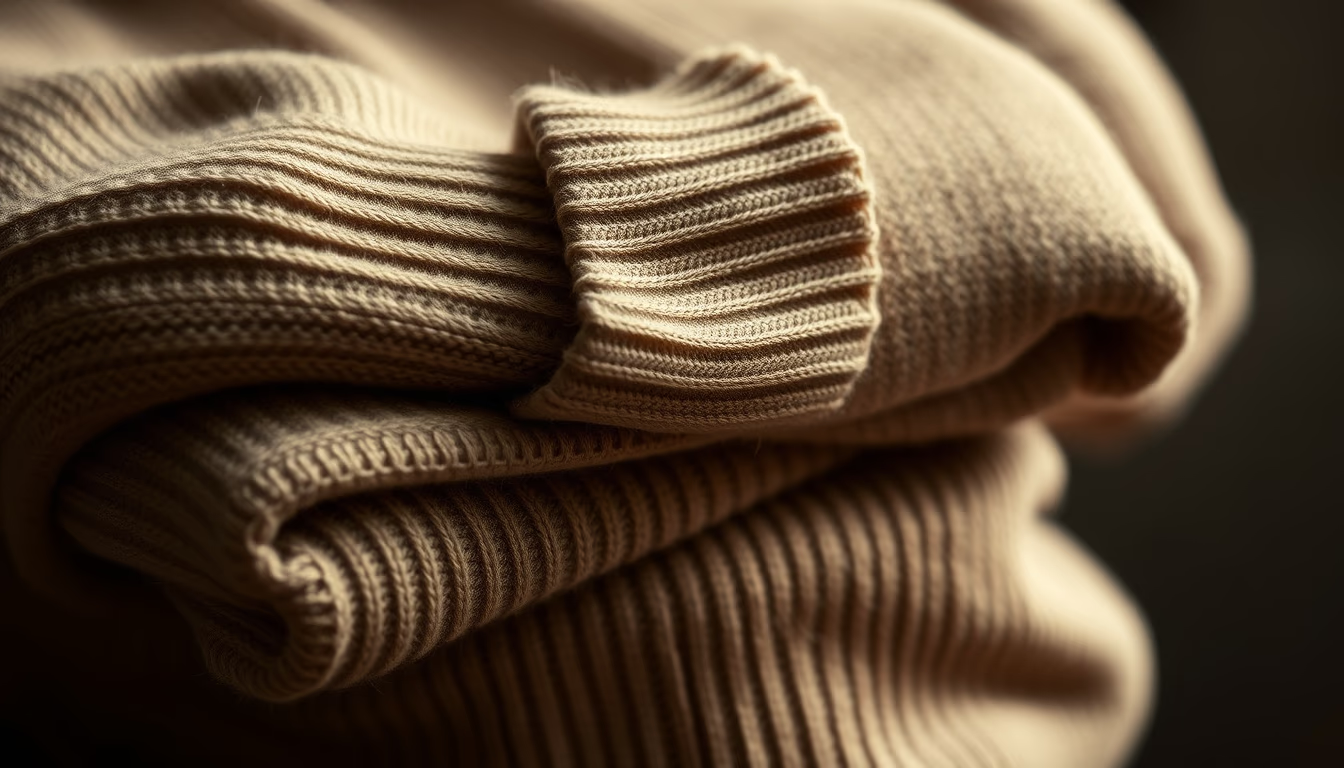
Alpaca fiber, soft and thermo-regulating, has been woven into artisan textiles on Andean looms for millennia.
About this subject
Alpaca farming is an ancient tradition in the Peruvian, Bolivian, and Chilean Andes. There are two main breeds: Huacaya, with crimpy, dense fiber, and Suri, with long, silky locks. Alpaca fiber is hypoallergenic, lighter than sheep's wool, and has natural thermo-regulating properties, keeping warm in cold and cool in heat.
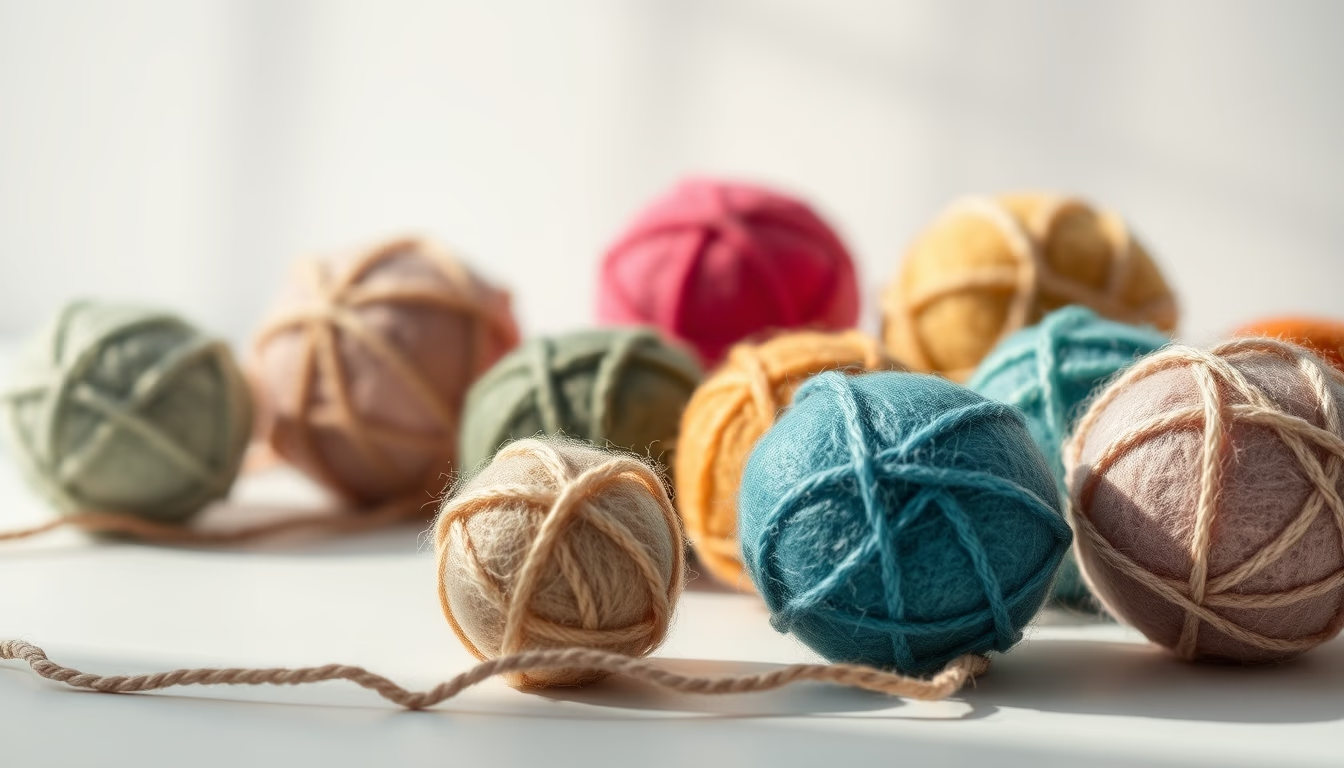
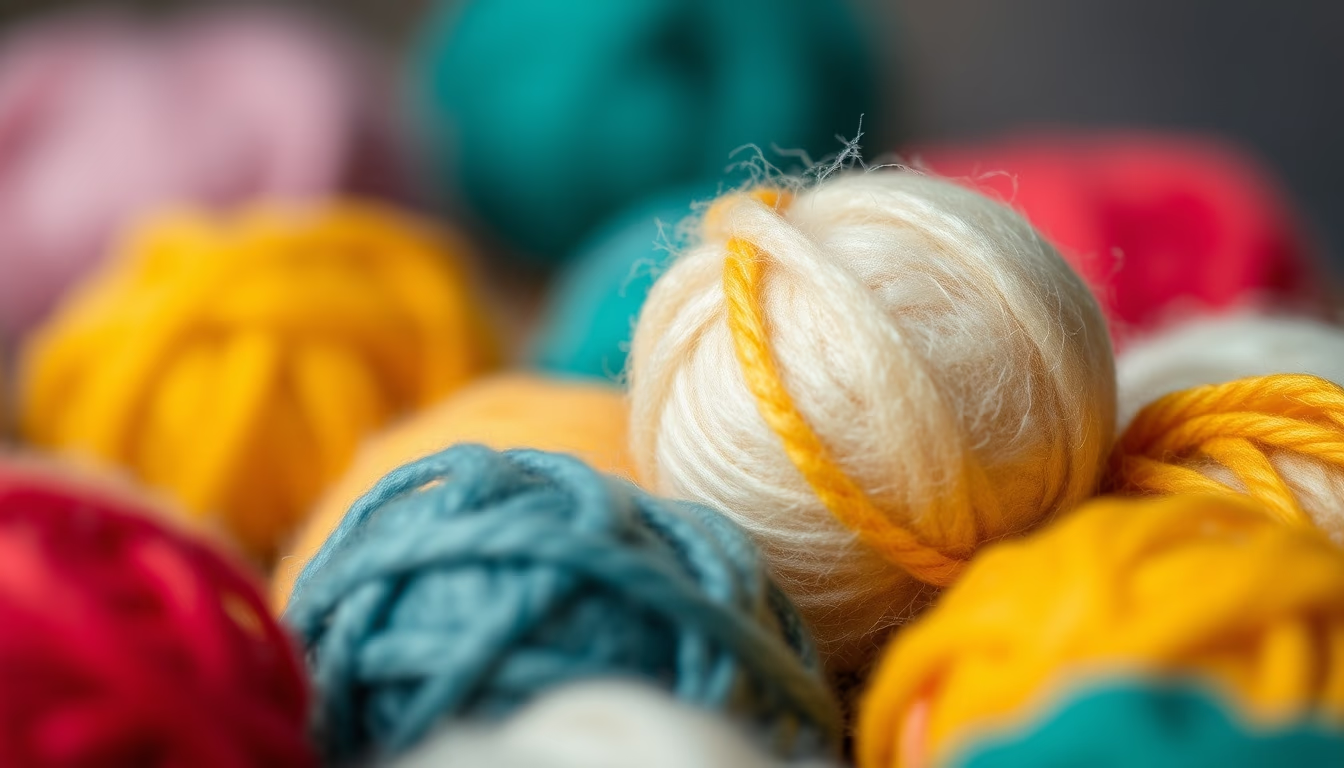
The traditional weaving process begins with annual shearing, usually between November and March. The fiber is sorted by color, over 22 natural shades exist, then washed, carded, and hand-spun. Backstrap looms and foot looms are used to create ponchos, blankets, shawls, and rugs. Each region has distinct patterns: Cusco designs often incorporate geometric and zoomorphic figures inherited from Inca culture.
Today, Peru is the world's largest producer of alpaca fiber, with roughly 80% of the global alpaca population. The alpaca textile industry provides income for over 100,000 Andean families, and the product is exported to luxury markets in Europe, Japan, and the United States. International certification as a sustainable and cruelty-free fiber has further boosted artisanal production.
A curiosity: alpaca fiber is so strong that the Incas used it to make ropes for suspension bridges, such as the famous Qeswachaka bridge, still rebuilt annually with plant and alpaca fibers.
Frequently Asked Questions
What is the difference between alpaca wool and sheep's wool?
Alpaca wool is softer, lighter, and hypoallergenic compared to sheep's wool. It contains no lanolin, making it ideal for sensitive skin. It also has natural thermo-regulating properties and greater strength.
How to care for alpaca clothing?
Hand wash in cold water with mild soap, do not wring. Dry flat in the shade. Avoid machine washing and drying. To maintain softness, use a wool conditioner.
Is alpaca fiber sustainable?
Yes. Alpaca farming has a low environmental impact: the animals graze at altitudes where agriculture is unfeasible, do not degrade the soil, and are shorn humanely. Artisanal production supports fair trade.
Direct URL
https://pub-c7d6a6ea828543ac903a74a341ccb2e1.r2.dev/imagens/loom-weaving-alpaca-long-exposure-fresh8.avifHow to credit
Include a visible link back to UtilizAí. Copy one of the snippets below:
<a href="https://xn--utiliza-eza.com/en/midia/imagens/loom-weaving-alpaca-long-exposure-fresh8">Loom weaving alpaca</a> by <a href="https://xn--utiliza-eza.com">UtilizAí</a>, licensed under <a href="https://creativecommons.org/licenses/by/4.0/">CC BY 4.0</a>.
[Loom weaving alpaca](https://xn--utiliza-eza.com/en/midia/imagens/loom-weaving-alpaca-long-exposure-fresh8) by [UtilizAí](https://xn--utiliza-eza.com), CC BY 4.0
License: CC-BY-4.0