Loom weaving alpaca
1344×768 · AVIF · CC BY 4.0
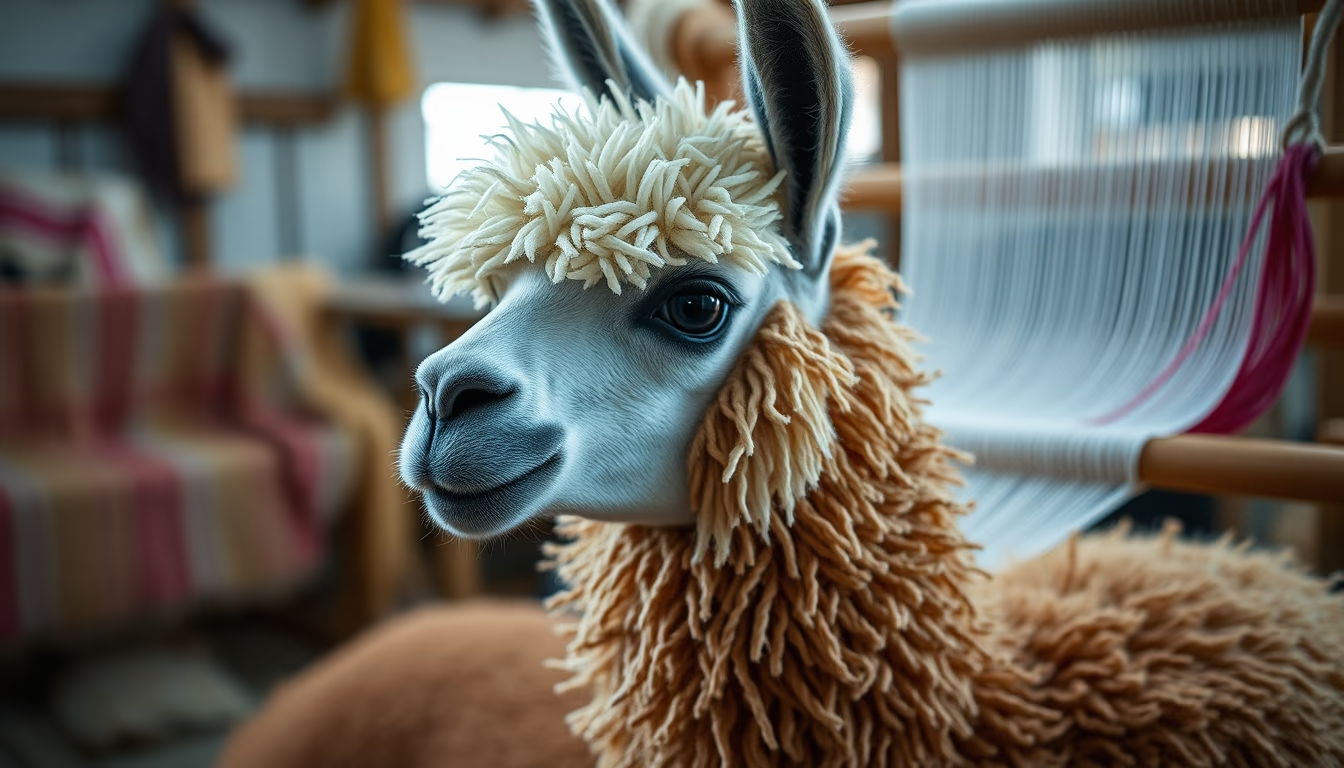
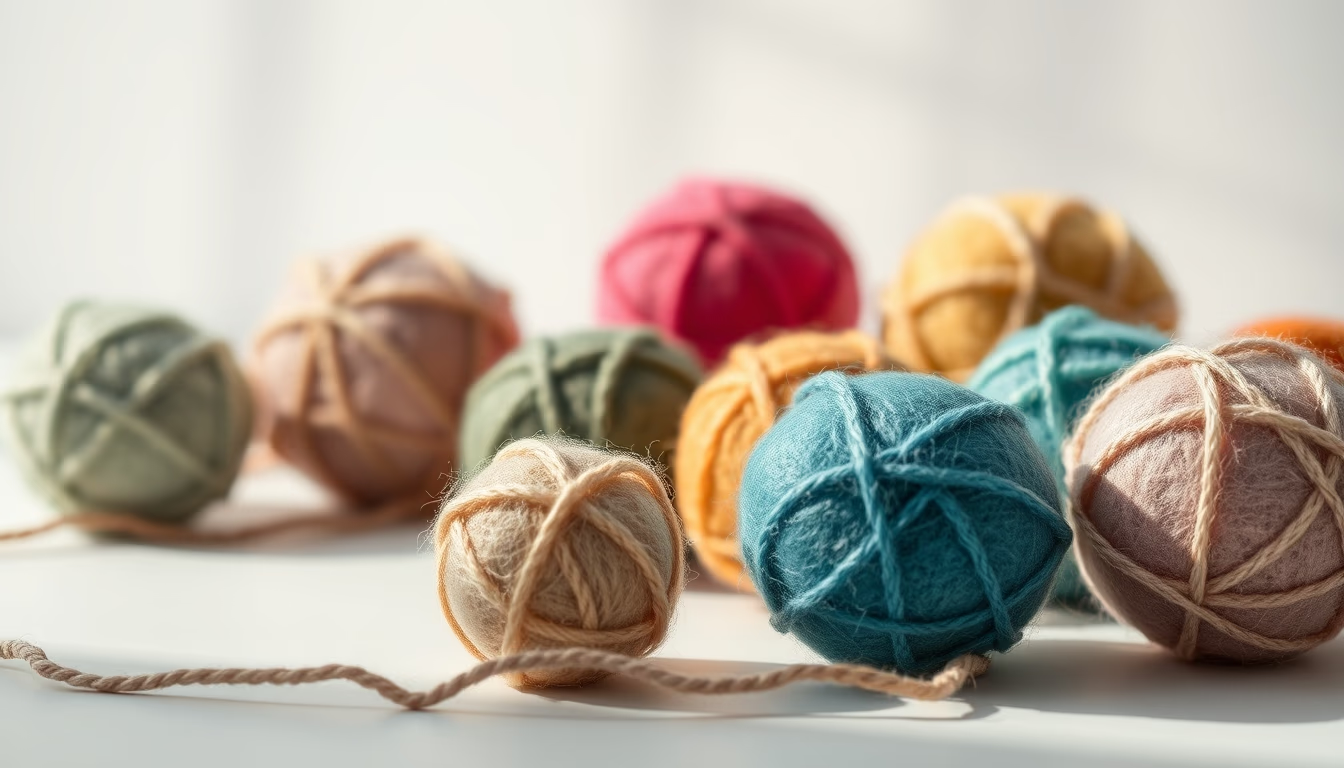
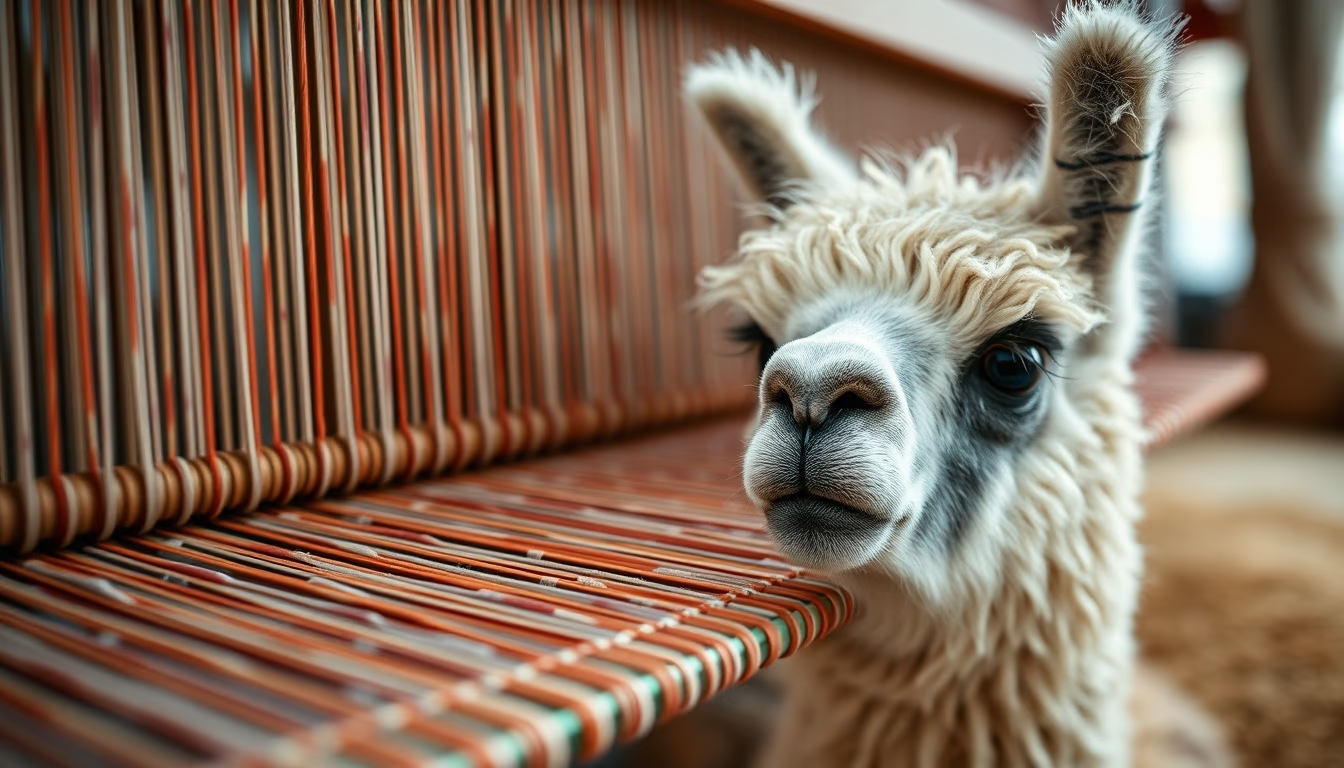
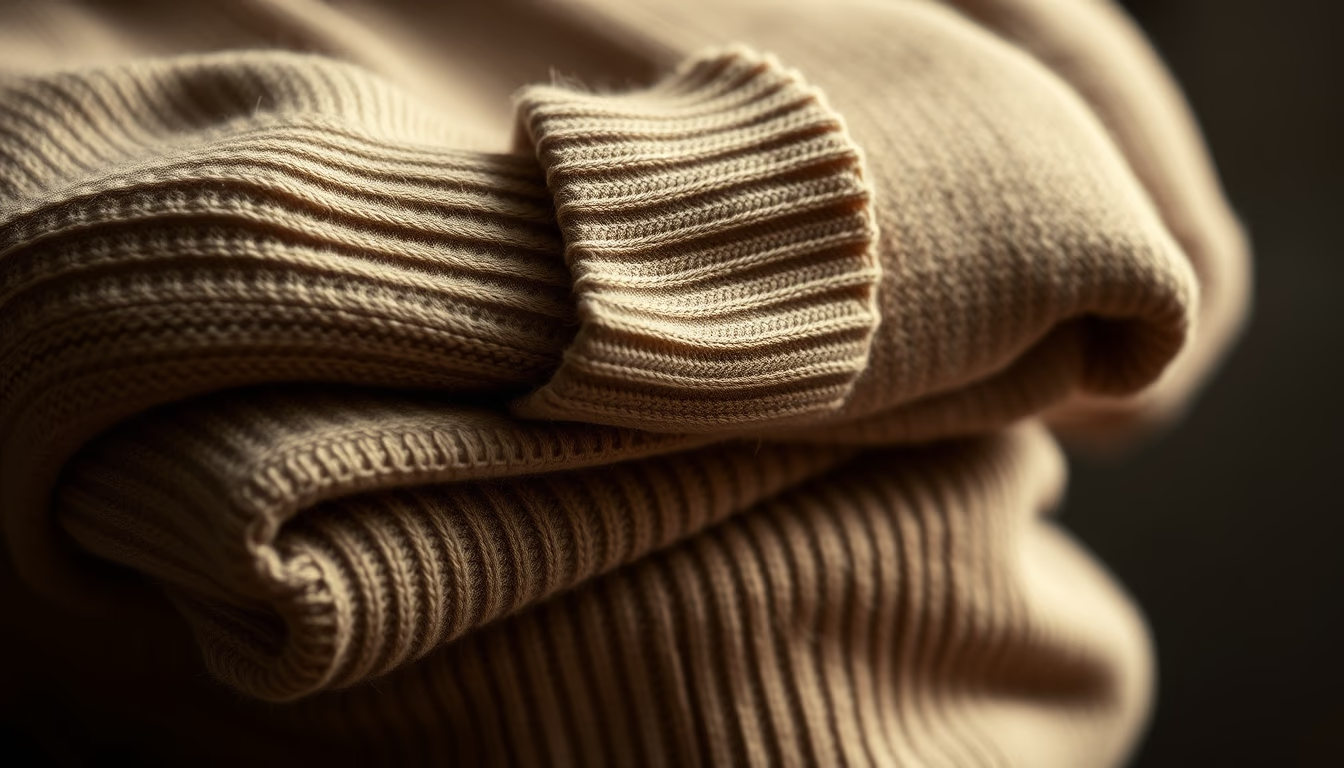
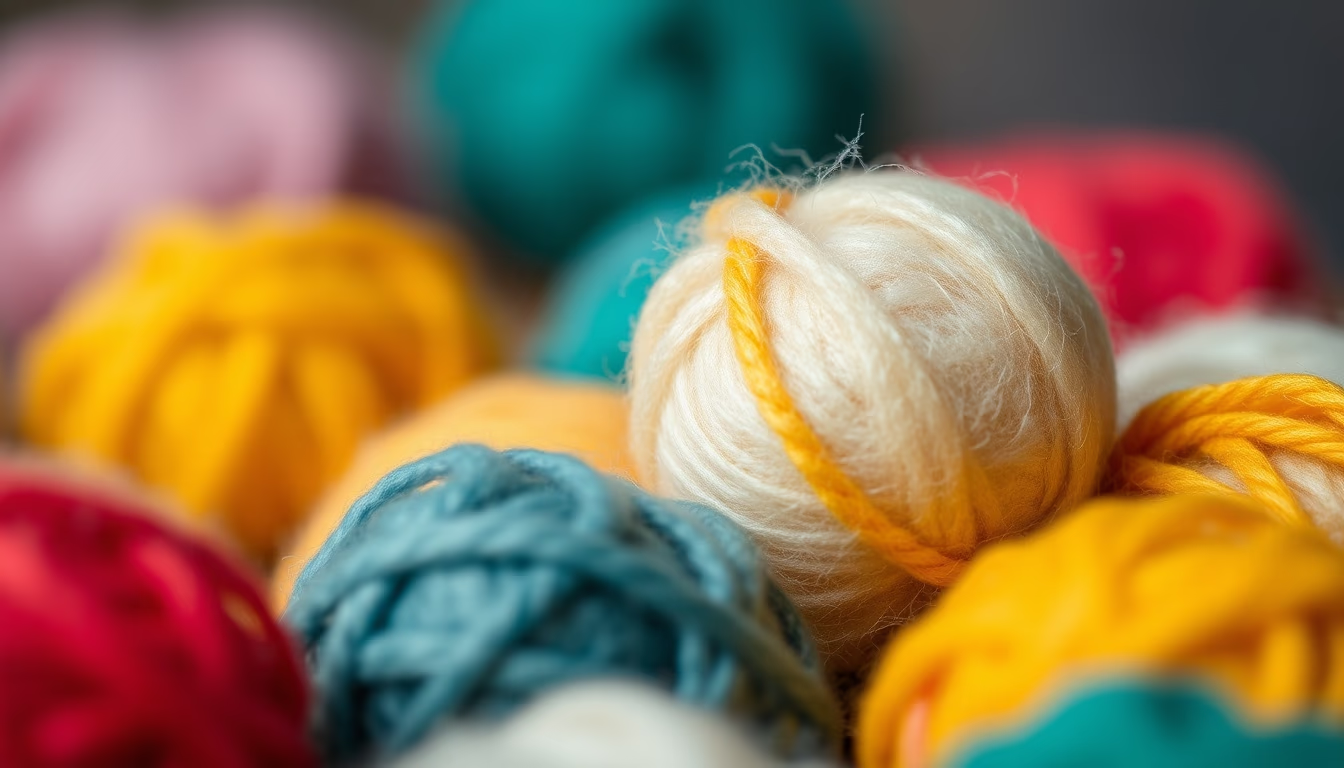
Alpaca provides luxurious fiber for traditional Andean handloom weaving, a millenary textile heritage.
About this subject
Alpaca fiber is one of the most valued in the textile world for its softness, lightness, and thermal properties. Raised mainly in the highlands of Peru, Bolivia, and Chile, alpacas produce a hypoallergenic wool without lanolin, available in over 22 natural colors. Andean peoples domesticated these camelids thousands of years ago and developed handloom weaving techniques that persist today.
In Peru, the textile tradition is recognized by UNESCO as Intangible Cultural Heritage. Communities in Puno and Cusco keep backstrap and pedal looms alive, transforming raw fiber into ponchos, blankets, and garments. Each piece can take weeks or months to complete, depending on the complexity of geometric patterns and natural dyes from plants and minerals.
Fiber quality varies by breed: Huacaya has dense, crimpy fleece, while Suri produces long, silky locks. Processing includes annual shearing, washing, carding, and hand-spinning. The loom creates firm, durable weaves that retain the fiber's insulating properties.
Beyond economic value for rural populations, loom weaving with alpaca represents a symbol of cultural identity. Contemporary pieces merge ancestral designs with modern aesthetics, reaching international markets. The lo-fi disposable camera style captures the timeless, artisanal essence of this craft.
Frequently Asked Questions
What is the difference between alpaca wool and llama wool?
Alpaca wool is finer, softer, and hypoallergenic, ideal for clothing. Llama wool is coarser and used for rugs and ropes.
How is the handloom weaving process with alpaca fiber done?
After shearing, the fiber is washed, carded, and hand-spun. On the loom, warp and weft threads are manually interlaced to create geometric patterns.
Why is alpaca fiber considered sustainable?
Alpacas graze in harmony with Andean ecosystems, do not damage the soil, and shearing does not harm the animal. Artisanal processes avoid chemicals.
Direct URL
https://pub-c7d6a6ea828543ac903a74a341ccb2e1.r2.dev/imagens/loom-weaving-alpaca-lo-fi-disposable-camera-fresh6.avifHow to credit
Include a visible link back to UtilizAí. Copy one of the snippets below:
<a href="https://xn--utiliza-eza.com/en/midia/imagens/loom-weaving-alpaca-lo-fi-disposable-camera-fresh6">Loom weaving alpaca</a> by <a href="https://xn--utiliza-eza.com">UtilizAí</a>, licensed under <a href="https://creativecommons.org/licenses/by/4.0/">CC BY 4.0</a>.
[Loom weaving alpaca](https://xn--utiliza-eza.com/en/midia/imagens/loom-weaving-alpaca-lo-fi-disposable-camera-fresh6) by [UtilizAí](https://xn--utiliza-eza.com), CC BY 4.0
License: CC-BY-4.0