Loom weaving alpaca
1344×768 · AVIF · CC BY 4.0
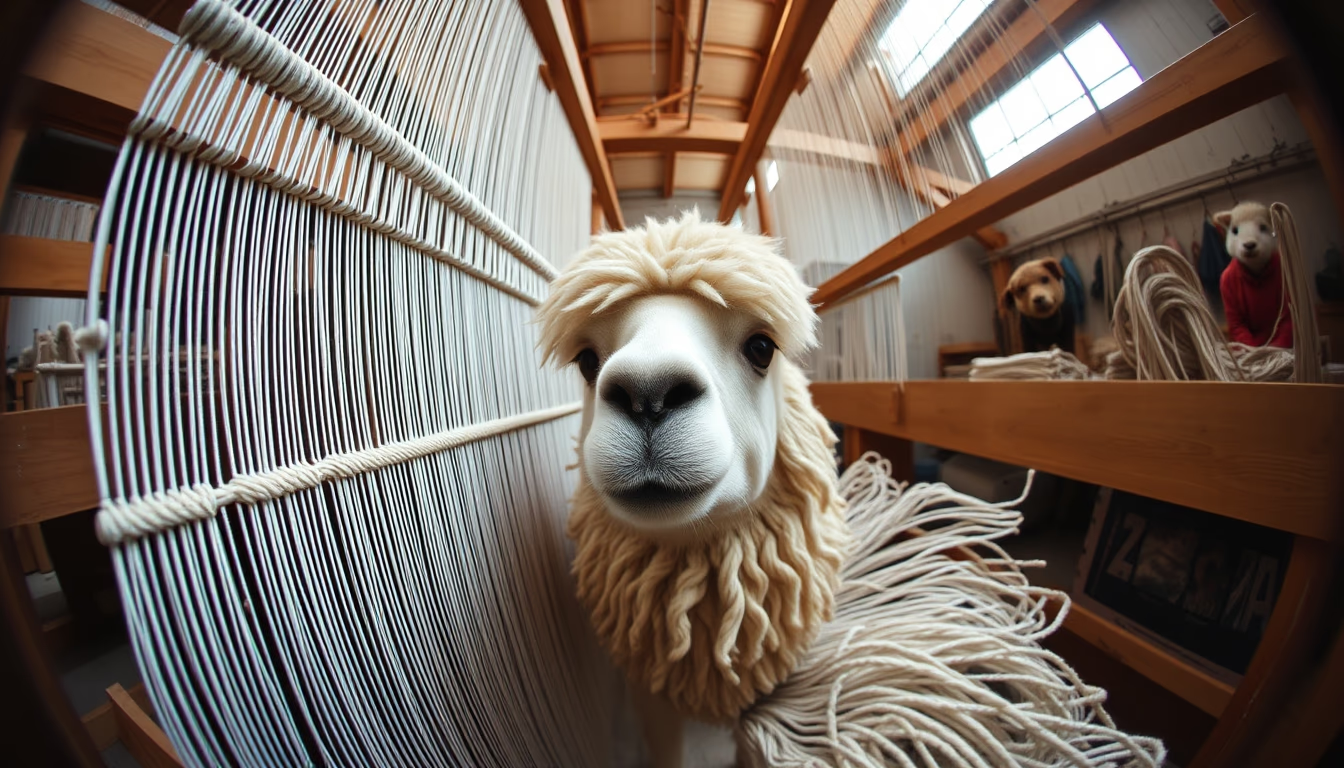
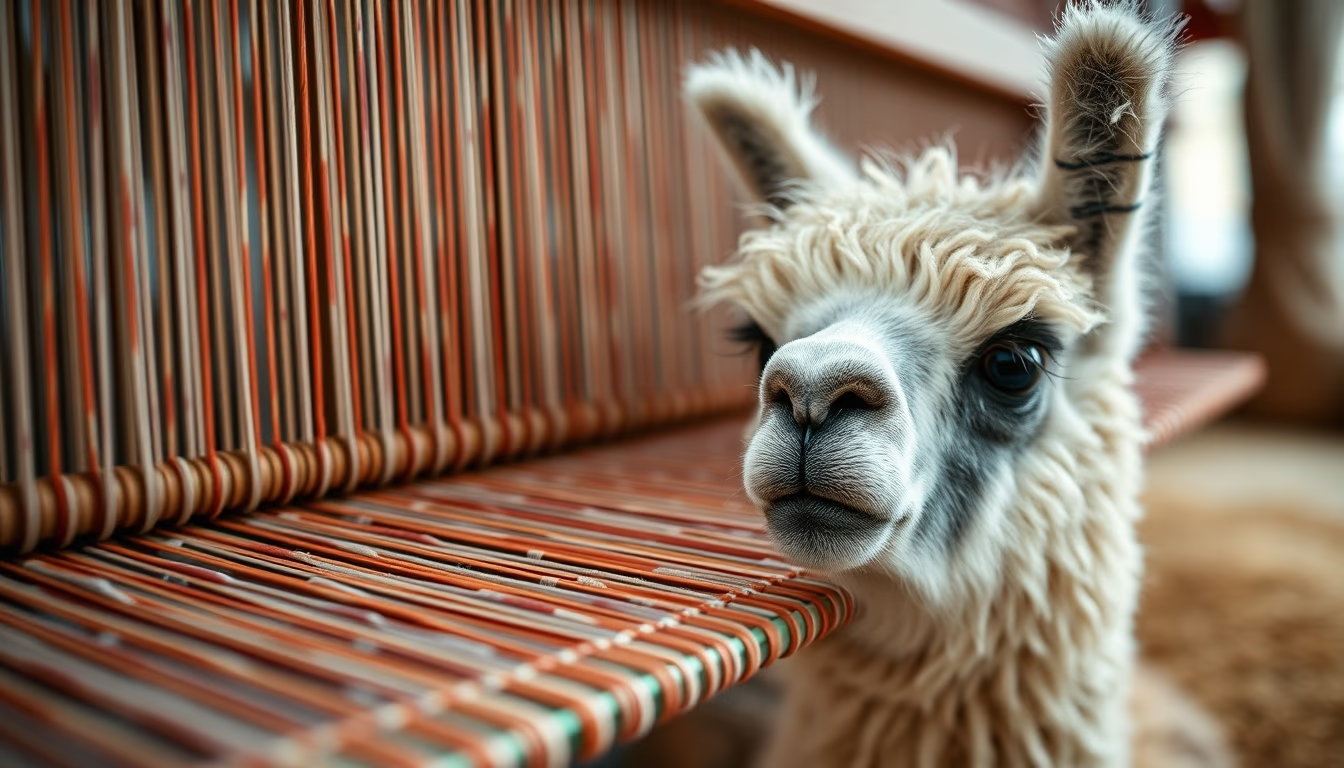
Handloom weaving of alpaca fiber, a millenary Andean tradition from Peru that yields fabrics of exceptional softness and thermal insulation.
About this subject
Alpaca fiber is among the world's finest, surpassing sheep wool in softness, strength, and hypoallergenic properties. Sourced from domesticated camelids in the highlands of Peru, Bolivia, and Chile, its fine, hollow fibers provide superior thermal insulation, keeping warmth without weight. The manual loom-weaving technique, passed down through generations in Quechua and Aymara communities, turns spun yarn into high-quality blankets, ponchos, and garments.
Andean looms, often backstrap or fixed wooden frames, enable complex geometric patterns that carry ancestral symbolism. Each design may represent mountains, rivers, or sacred animals, telling the weaver's story. Artisanal production contrasts with accelerated industrialization, preserving knowledge and generating income for rural families.
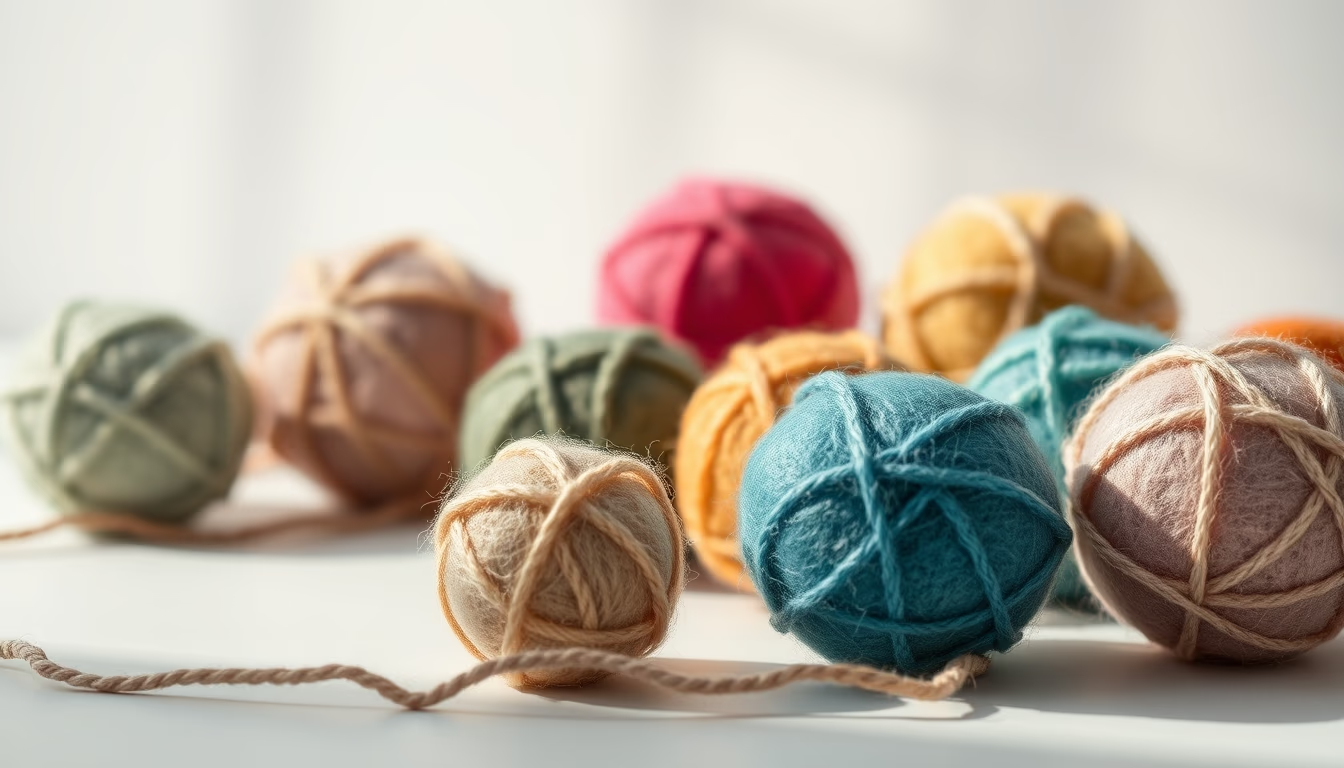
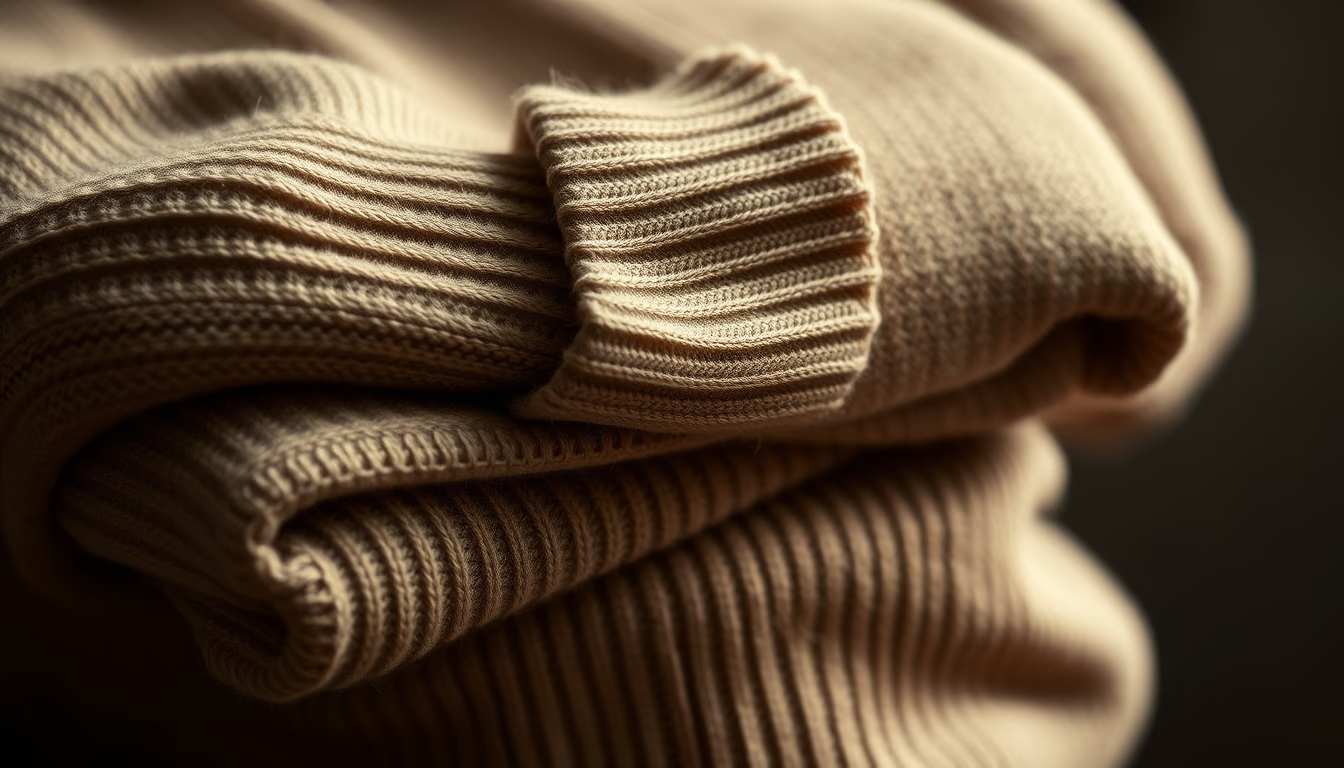
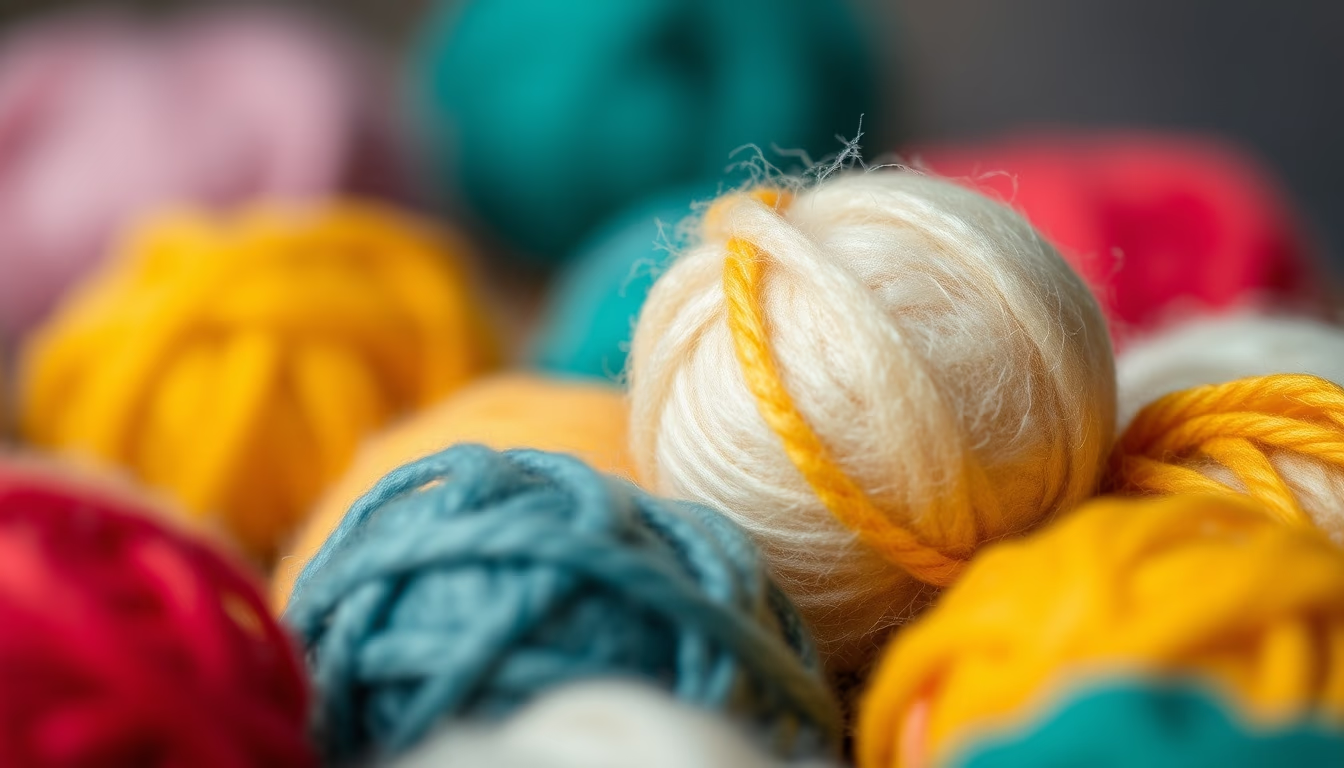
Alpaca wool requires special care: it is more delicate than sheep wool, demanding hand washing in cold water with mild soap to avoid shrinkage or felting. Its natural elasticity allows garments to maintain shape for decades. The color range spans from snowy white to intense black, through shades of gray, brown, and blends, all natural without dyeing.
Today, international designers incorporate alpaca fiber into sustainable luxury collections, valuing fair trade and reduced ecological footprint. The growing demand encourages preservation of pure breeds like Huacaya (curly fiber) and Suri (long, silky locks), threatened by hybridization with llamas.
Frequently Asked Questions
What is the difference between Huacaya and Suri alpaca fiber?
Huacaya has a crimpy, dense fiber similar to sheep wool, while Suri has long, straight, silky locks that hang in curls. Both are soft, but Suri is more lustrous and used in lightweight fabrics.
How to care for alpaca wool garments?
Hand wash in cold water with mild soap, do not wring. Dry flat away from direct sunlight. Avoid frequent dry cleaning and use a wide-tooth comb to remove pilling.
Is handloom weaving still common in the Andes?
Yes, especially in rural communities in Peru, Bolivia, and Ecuador. Techniques like the backstrap loom and fixed loom are preserved, passed from mother to daughter, and used for both domestic use and sale in local and international markets.
Direct URL
https://pub-c7d6a6ea828543ac903a74a341ccb2e1.r2.dev/imagens/loom-weaving-alpaca-fish-eye-wide-angle-fresh10.avifHow to credit
Include a visible link back to UtilizAí. Copy one of the snippets below:
<a href="https://xn--utiliza-eza.com/en/midia/imagens/loom-weaving-alpaca-fish-eye-wide-angle-fresh10">Loom weaving alpaca</a> by <a href="https://xn--utiliza-eza.com">UtilizAí</a>, licensed under <a href="https://creativecommons.org/licenses/by/4.0/">CC BY 4.0</a>.
[Loom weaving alpaca](https://xn--utiliza-eza.com/en/midia/imagens/loom-weaving-alpaca-fish-eye-wide-angle-fresh10) by [UtilizAí](https://xn--utiliza-eza.com), CC BY 4.0
License: CC-BY-4.0