Loom weaving alpaca
1344×768 · AVIF · CC BY 4.0
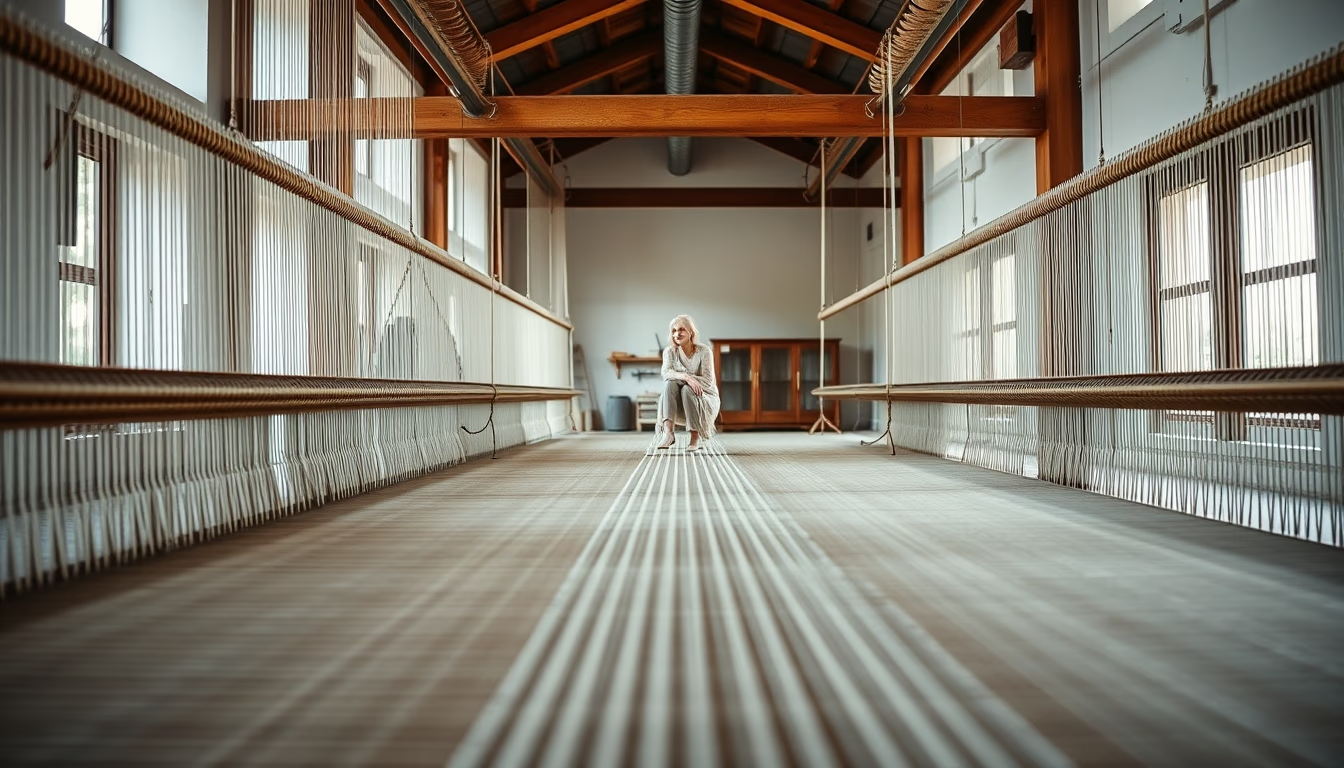
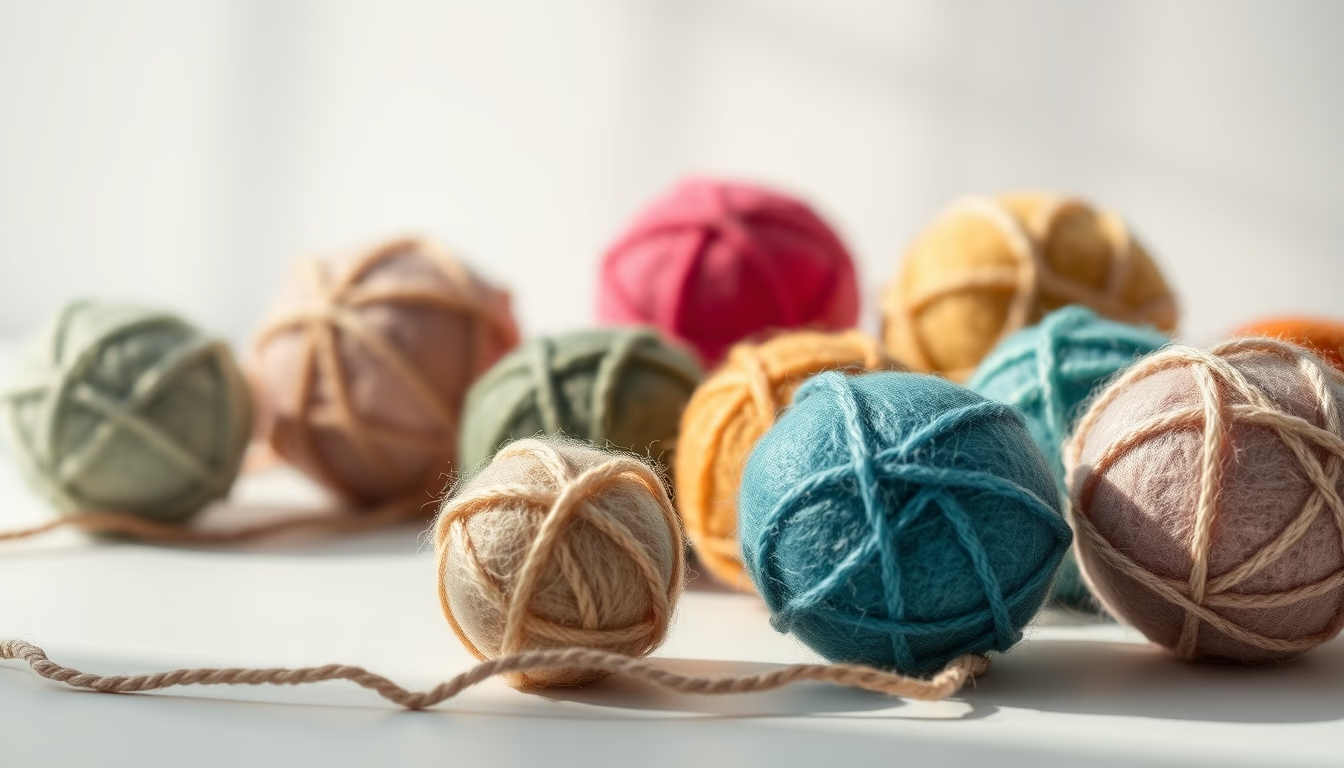
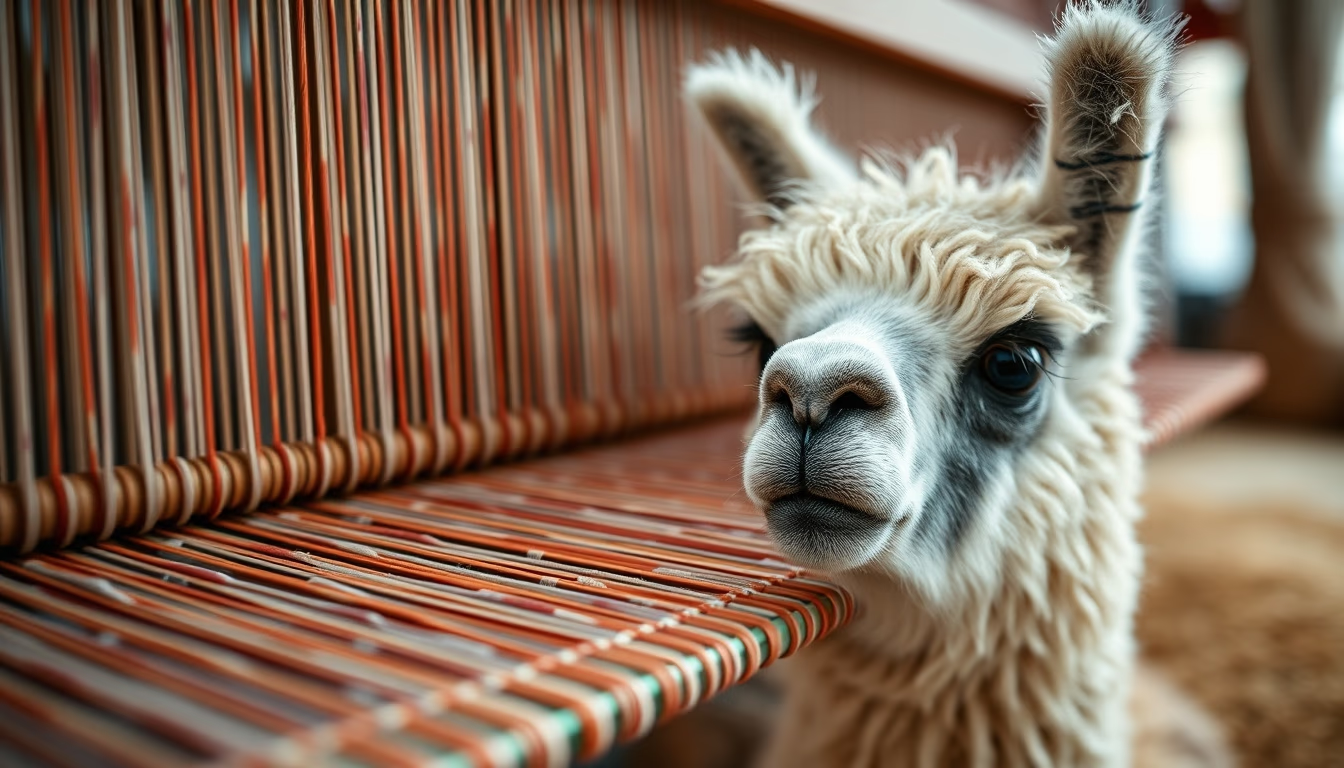
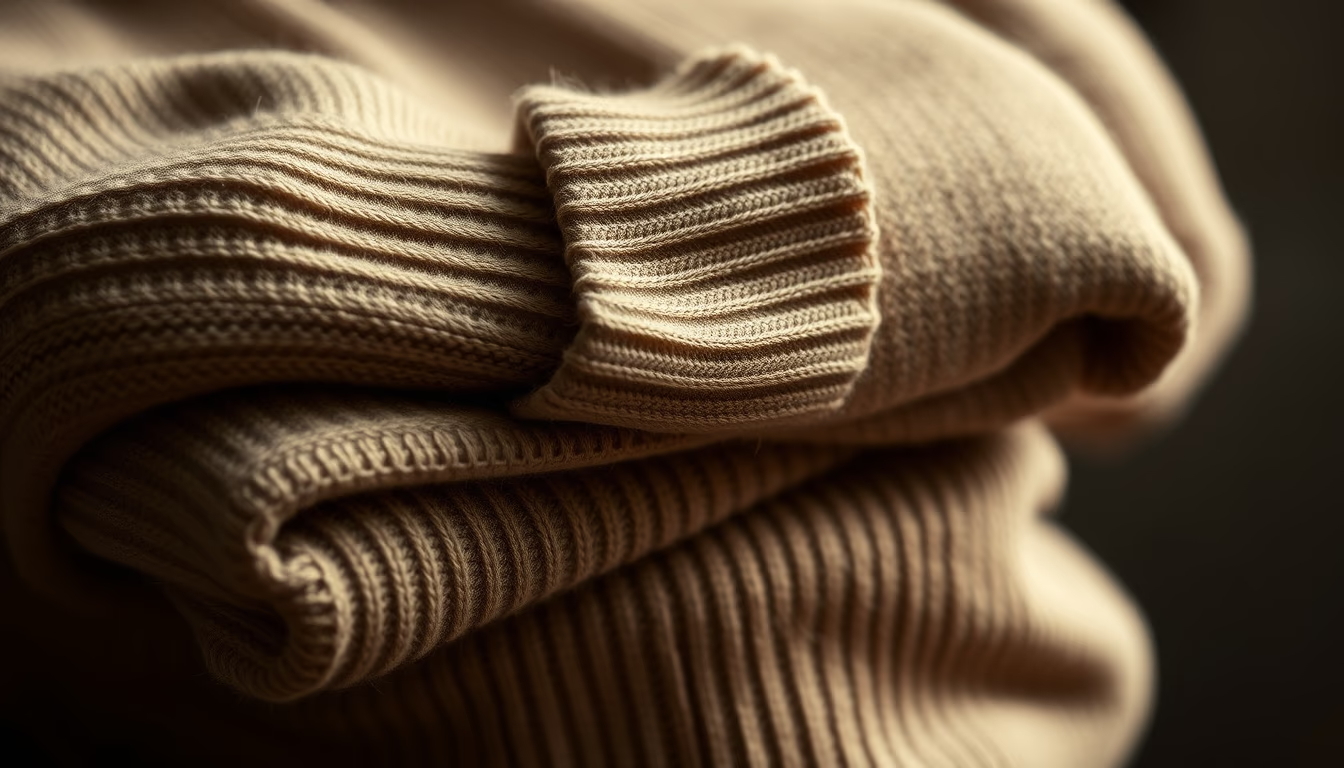
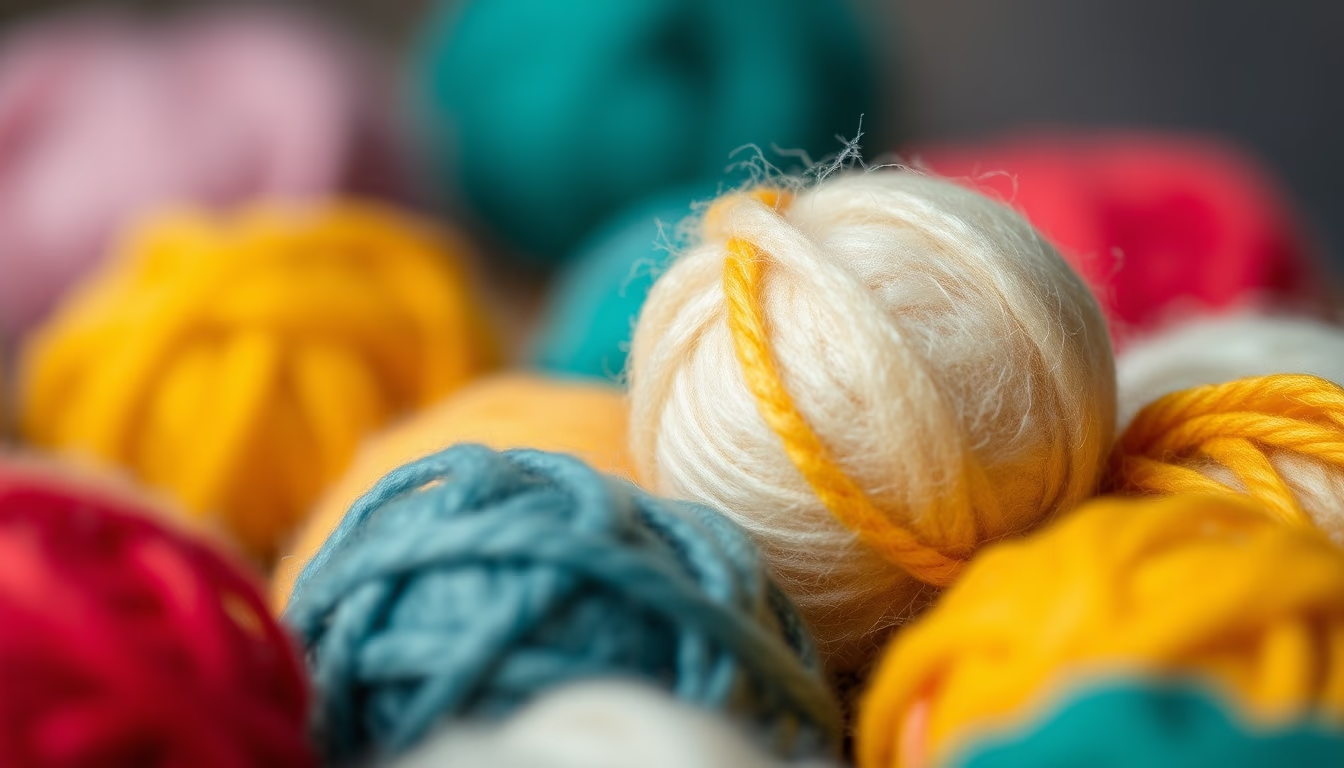
Alpaca, a luxurious fiber from the Andes, is handwoven on looms to create soft, durable textiles, a millennia-old cultural heritage.
About this subject
Alpaca fiber is one of the Andes' textile treasures, prized for its softness, lightness, and superior thermal insulation. Sourced from animals domesticated thousands of years ago in Peru, Bolivia, and Chile, alpaca wool is stronger and less oily than sheep's wool, making it hypoallergenic. On handlooms, artisans transform the yarns into blankets, ponchos, and high-quality garments, preserving pre-Columbian techniques.
The loom, central to the process, can be a backstrap or pedal loom, both used in Andean communities. Weaving on a loom requires precision: each warp and weft thread is carefully interlaced to form geometric or figurative patterns, many carrying cosmological symbolism. Natural alpaca colors range from white to black, through shades of brown and gray, and are often dyed with plant or mineral dyes.
Beyond clothing, alpaca weaving holds economic and cultural significance. Peru is the world's largest producer, with over 3 million alpacas, and fiber exports generate millions of dollars annually. UNESCO recognized traditional Peruvian weaving as Intangible Cultural Heritage. Handwoven pieces are highly valued internationally, especially in markets like Japan and the United States.
Interestingly, Andean architecture influences textile designs: patterns from Inca ruins such as Sacsayhuamán or agricultural terraces appear in blankets. This explains the 'architectural-photography' tag, as the image may show a loom in a setting with local buildings. The harmonious integration of textile and architecture reflects the Andean worldview, where everything is interconnected.
Frequently Asked Questions
Why is alpaca fiber considered high luxury?
Alpaca fiber is finer, softer, and stronger than sheep's wool, and it is hypoallergenic. Its artisanal production and varied natural colors make it a premium material in the textile market.
What are the main uses of woven alpaca wool?
Alpaca wool is used to make clothing such as ponchos, blankets, scarves, and sweaters, as well as rugs and accessories. Handloom pieces are especially valued for their durability and beauty.
How does alpaca weaving relate to Andean architecture?
Textile patterns often replicate Inca architectural elements, such as stone walls and agricultural terraces. Weaving is a cultural expression that connects craftsmanship to the built environment of the Andes.
Direct URL
https://pub-c7d6a6ea828543ac903a74a341ccb2e1.r2.dev/imagens/loom-weaving-alpaca-architectural-photography-fresh4.avifHow to credit
Include a visible link back to UtilizAí. Copy one of the snippets below:
<a href="https://xn--utiliza-eza.com/en/midia/imagens/loom-weaving-alpaca-architectural-photography-fresh4">Loom weaving alpaca</a> by <a href="https://xn--utiliza-eza.com">UtilizAí</a>, licensed under <a href="https://creativecommons.org/licenses/by/4.0/">CC BY 4.0</a>.
[Loom weaving alpaca](https://xn--utiliza-eza.com/en/midia/imagens/loom-weaving-alpaca-architectural-photography-fresh4) by [UtilizAí](https://xn--utiliza-eza.com), CC BY 4.0
License: CC-BY-4.0