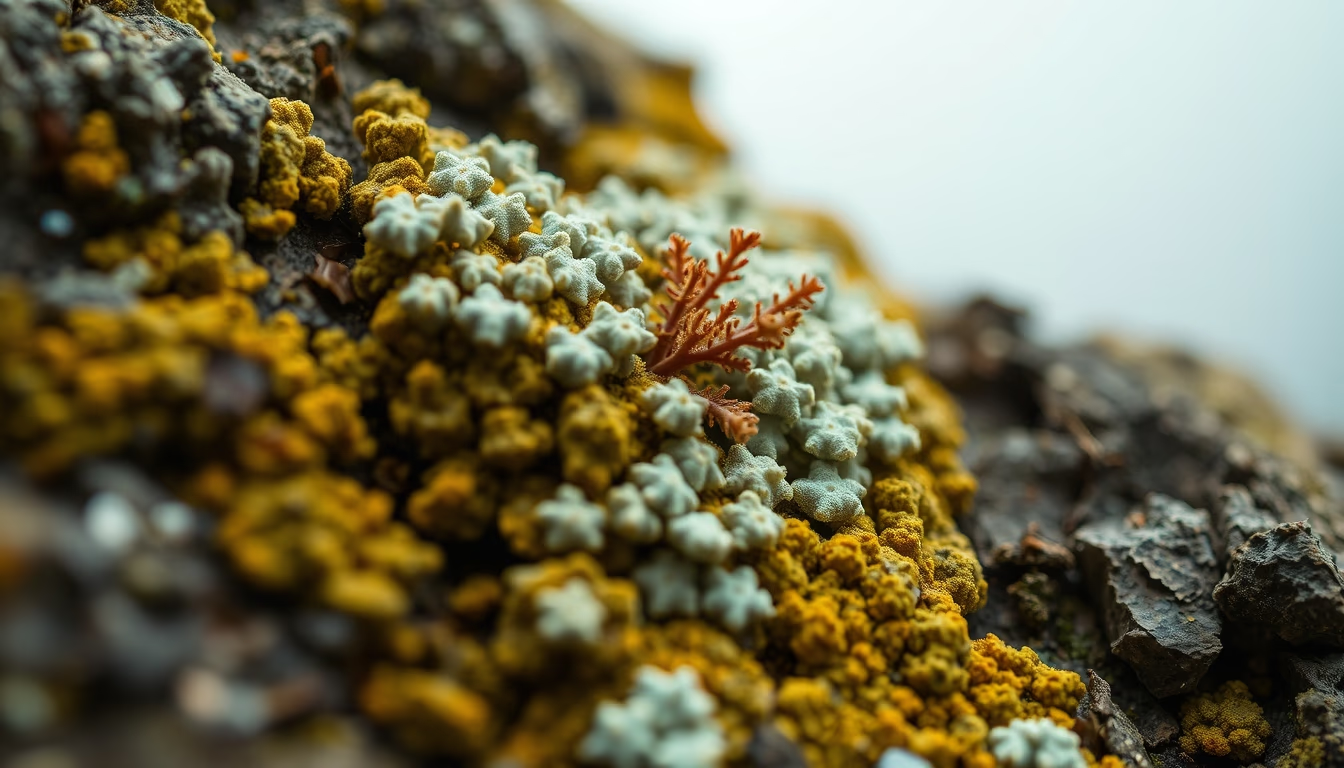
Lichens symbiotic close
1344×768 · AVIF · CC BY 4.0
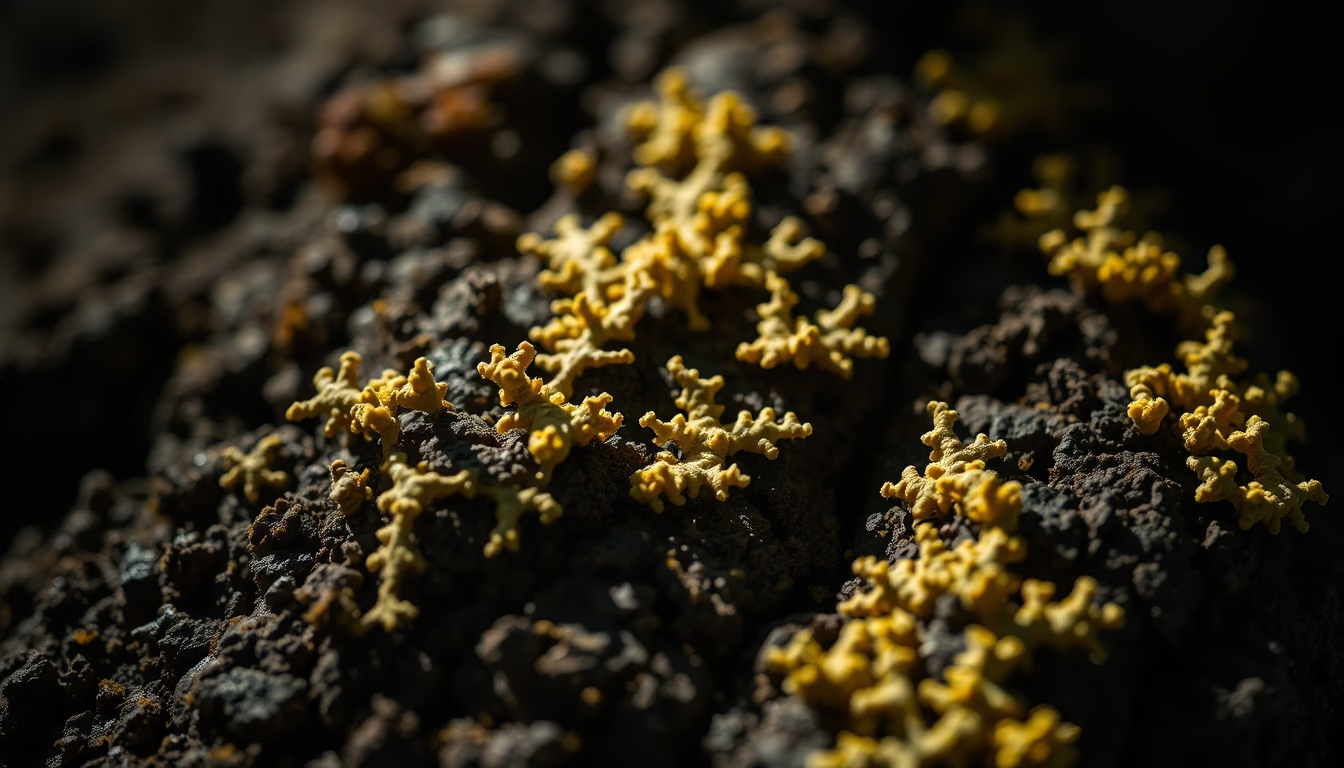
Lichens are symbiotic organisms formed by fungi and algae or cyanobacteria, creating a mutualistic association that colonizes diverse surfaces worldwide.
About this subject
Lichens are a fascinating life form resulting from the symbiosis between a fungus (mycobiont) and one or more photosynthetic partners (photobionts), usually green algae or cyanobacteria. This association allows lichens to survive in extreme environments such as deserts, polar regions, and high mountains, where other organisms cannot establish. Over 20,000 lichen species have been described, classified into three main morphological types: crustose, foliose, and fruticose. Crustose lichens adhere tightly to the substrate, foliose form leaf-like structures, and fruticose have shrubby or pendant shapes.
Lichens play crucial ecological roles. They are pioneers in colonizing bare rock and soil, initiating soil formation by secreting organic acids that dissolve minerals. Additionally, they serve as bioindicators of air quality, being highly sensitive to sulfur dioxide and other pollutants. In some cultures, lichens are used in traditional medicine, such as reindeer moss (Cladonia rangiferina), which feeds reindeer in the Arctic. Historically, litmus dye, extracted from lichens, was used as a pH indicator.
Interestingly, lichen symbiosis is not a static relationship; modern studies reveal that it can involve additional yeasts and other microorganisms, forming a complex microbiome. Lichen growth rates are extremely slow, ranging from millimeters to a few centimeters per year, making them vulnerable to disturbances. Some lichens are considered the oldest living organisms on Earth, with specimens dated to over 8,000 years in Greenland.
Frequently Asked Questions
What are lichens and how do they form?
Lichens are symbiotic associations between a fungus and algae or cyanobacteria. The fungus provides structure and protection, while the photobionts perform photosynthesis, supplying nutrients.
Where can lichens be found?
They inhabit nearly all terrestrial environments, from hot deserts to polar regions, growing on rocks, tree bark, soil, and even artificial surfaces like roofs and monuments.
Why are lichens important for the environment?
They serve as bioindicators of pollution, aid in soil formation by weathering rocks, provide food and shelter for animals, and contribute to biogeochemical cycles such as the nitrogen cycle.
Direct URL
https://pub-c7d6a6ea828543ac903a74a341ccb2e1.r2.dev/imagens/lichens-symbiotic-close-rembrandt-lighting-dramatic-shadows-fresh6.avifHow to credit
Include a visible link back to UtilizAí. Copy one of the snippets below:
<a href="https://xn--utiliza-eza.com/en/midia/imagens/lichens-symbiotic-close-rembrandt-lighting-dramatic-shadows-fresh6">Lichens symbiotic close</a> by <a href="https://xn--utiliza-eza.com">UtilizAí</a>, licensed under <a href="https://creativecommons.org/licenses/by/4.0/">CC BY 4.0</a>.
[Lichens symbiotic close](https://xn--utiliza-eza.com/en/midia/imagens/lichens-symbiotic-close-rembrandt-lighting-dramatic-shadows-fresh6) by [UtilizAí](https://xn--utiliza-eza.com), CC BY 4.0
License: CC-BY-4.0