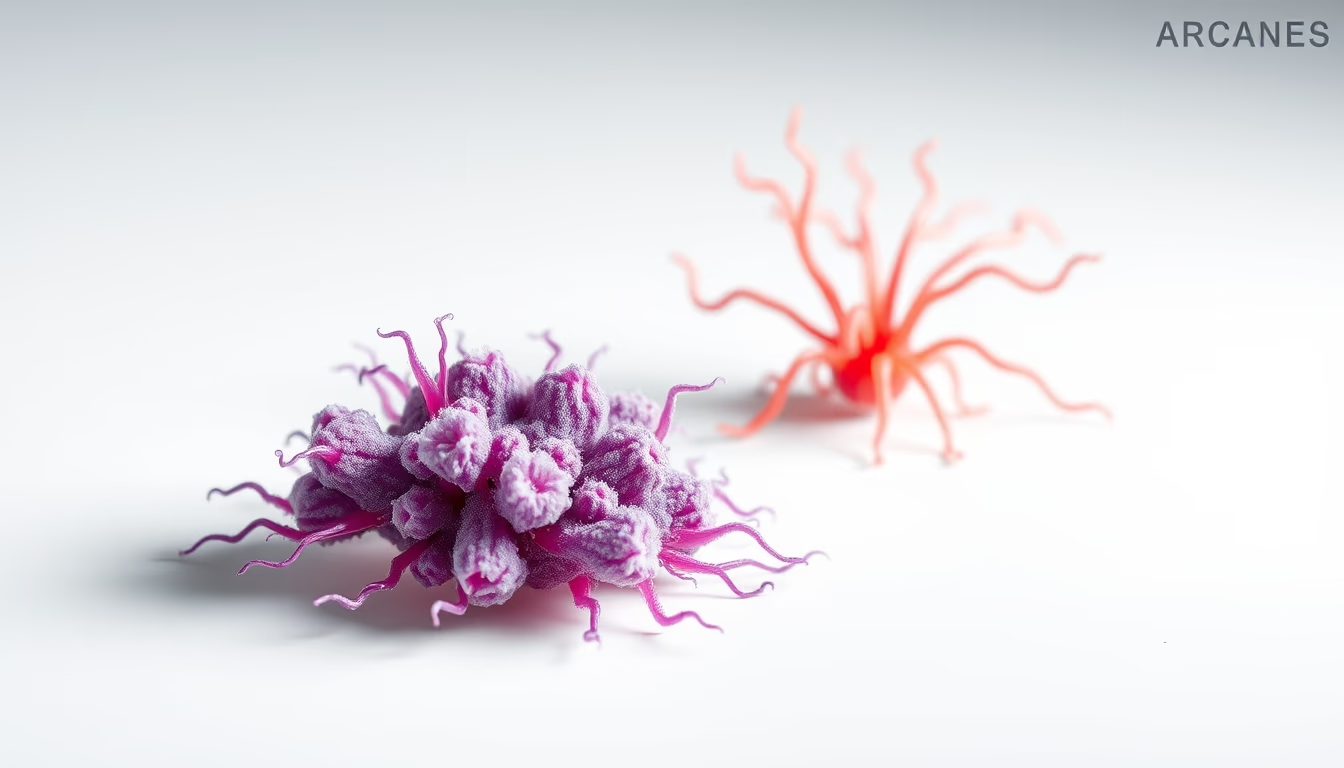
Lichens symbiotic close
1344×768 · AVIF · CC BY 4.0
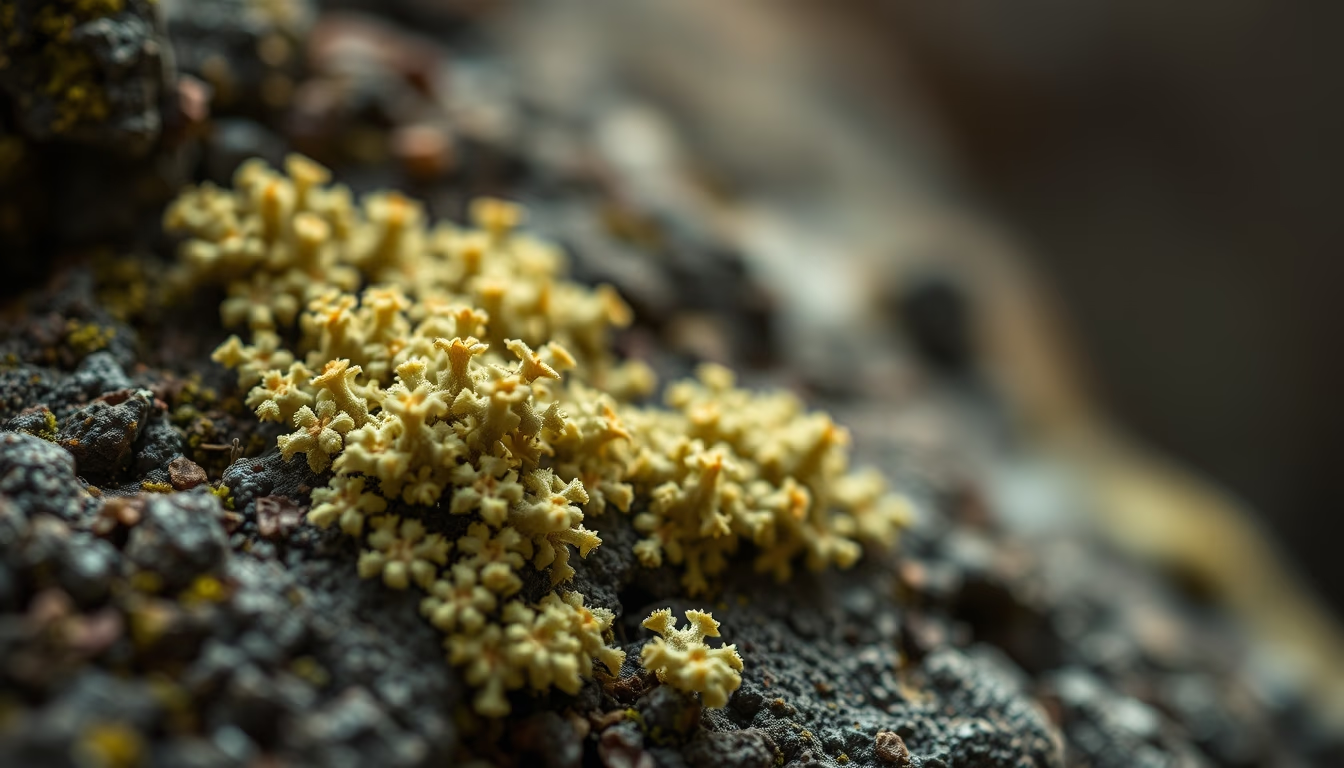
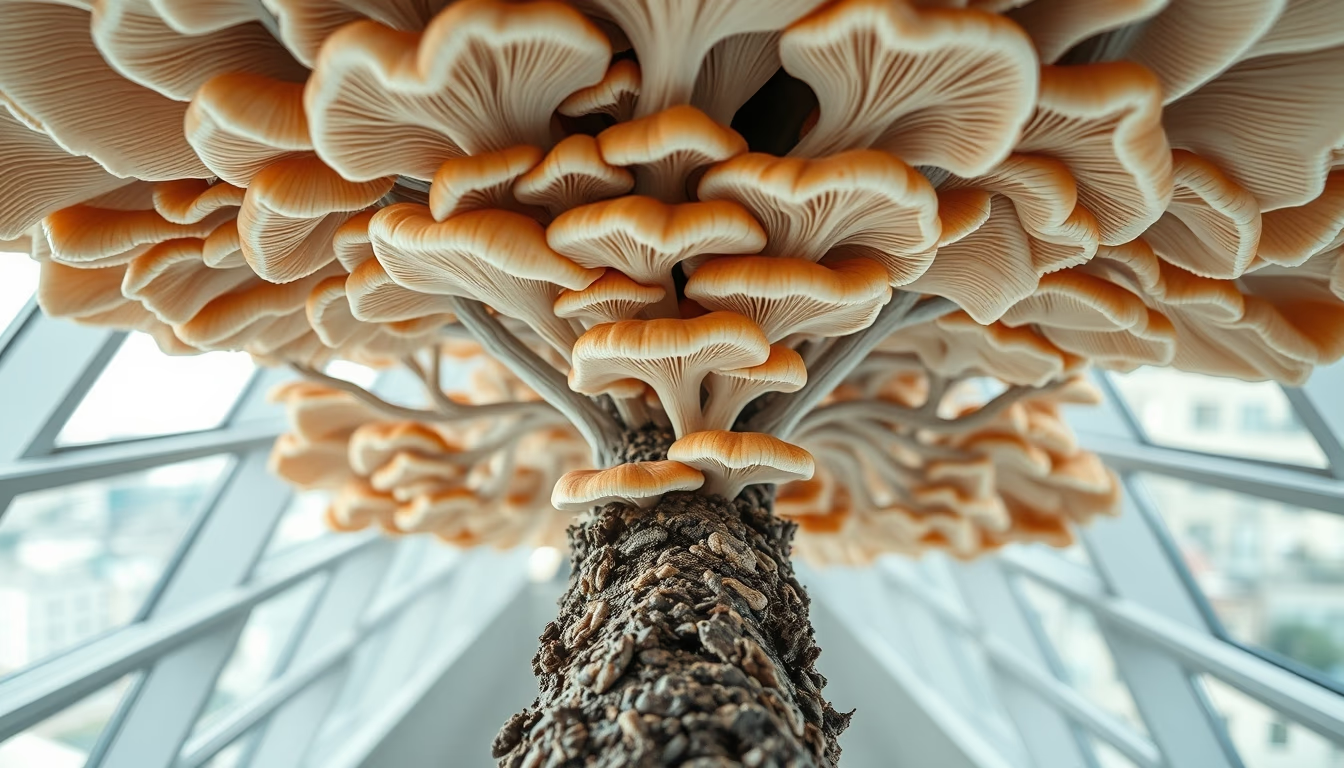
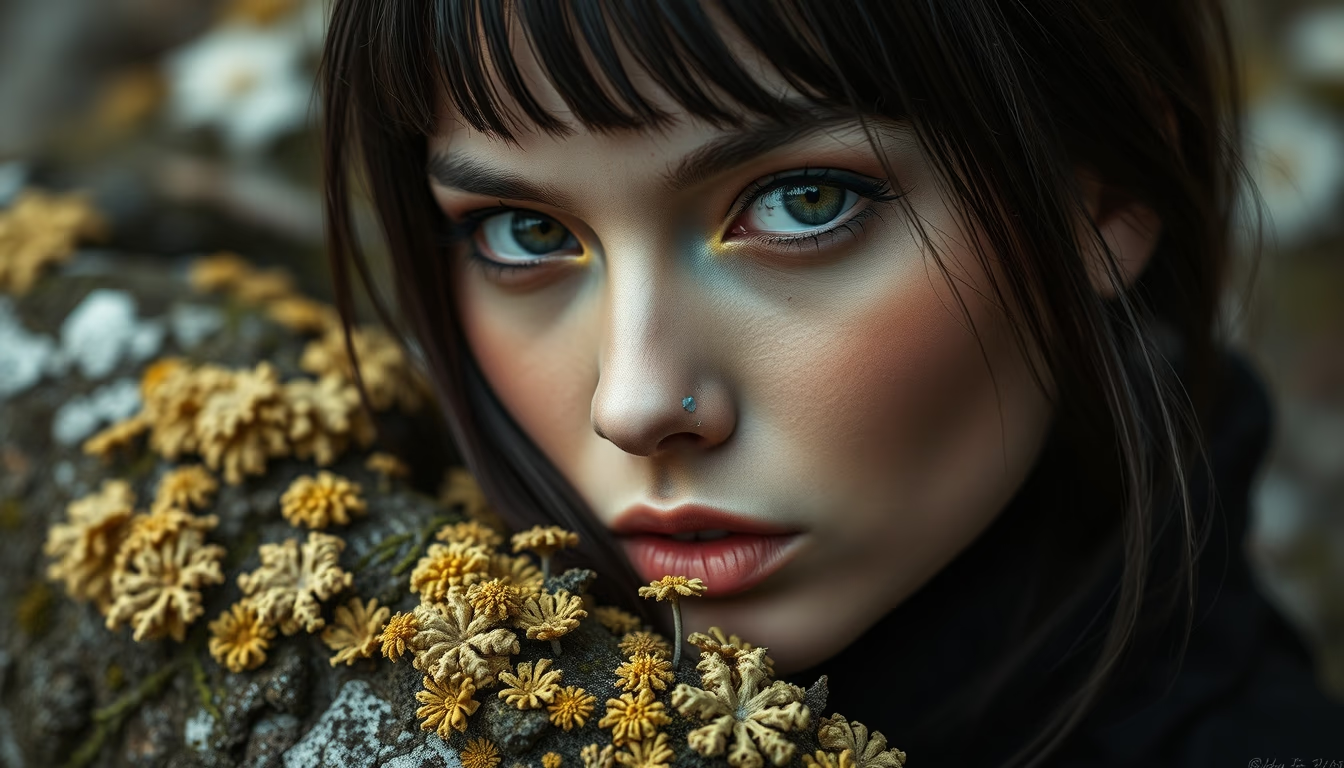
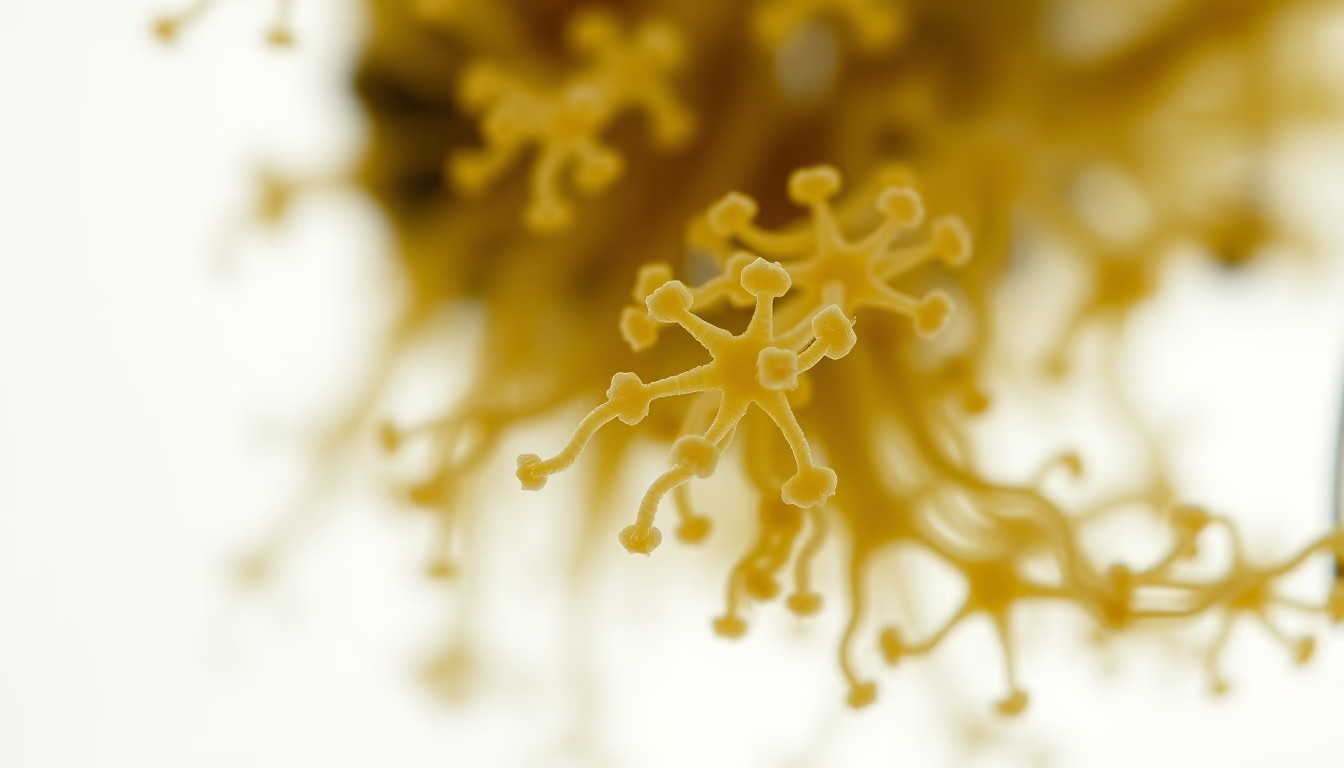
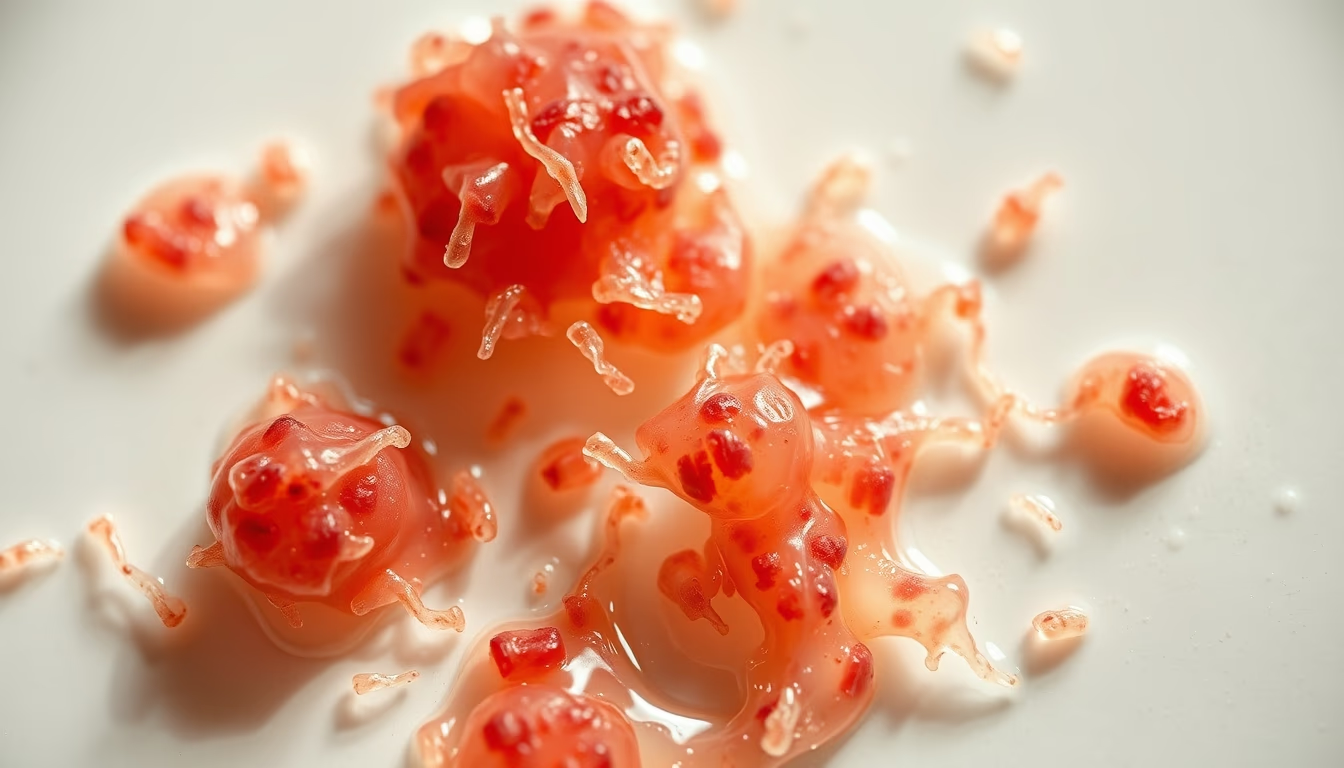
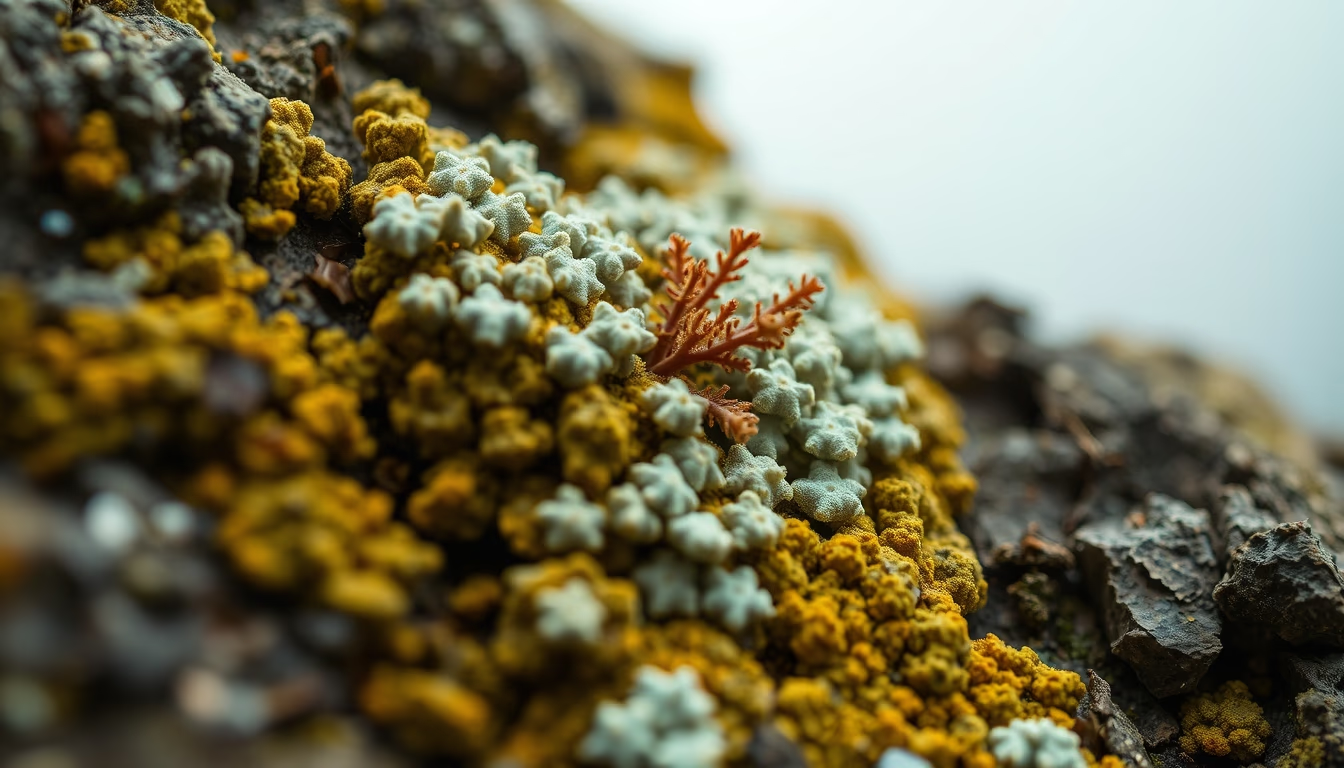
Lichens are symbiotic associations between fungi and algae or cyanobacteria, forming organisms capable of colonizing extreme environments worldwide.
About this subject
Lichens represent a fascinating evolutionary partnership: a fungus (mycobiont) houses green algae or cyanobacteria (photobionts) within its thallus. This mutualistic symbiosis allows the fungus to obtain organic carbon from photosynthesis, while the photobiont receives protection, water, and minerals from the fungus. It is estimated that there are over 20,000 species of lichens, distributed from the frozen deserts of Antarctica to humid tropical rainforests, growing on rocks, tree bark, soil, and even artificial surfaces.
Each partner plays a vital role. The fungus forms a hyphal structure that shapes the thallus, which can be crustose (adhering to the surface), foliose (leaf-like), or fruticose (shrub-like). The algae or cyanobacteria perform photosynthesis, producing sugars that feed both. Species like Cladonia rangiferina, known as reindeer moss, are crucial food sources for reindeer and caribou in the Arctic tundra. Crustose lichens, such as those in the genus Lecanora, are common on rocks and city walls.
Ecologically, lichens are pioneers in ecological succession, fragmenting rocks to form soil. They are sensitive bioindicators of air pollution, especially sulfur dioxide and heavy metals, making them useful for environmental monitoring. Some species produce lichen acids with antibiotic and antifungal properties, used in traditional medicine. Their growth rate is extremely slow, some thalli increase only a few millimeters per year, and they can live for centuries, with specimens recorded over a thousand years old.
Culturally, lichens have a notable presence: in Norse mythology, the god Odin was said to have gained wisdom by consuming a lichen. They were used in ancient Egyptian embalming processes, and in Iceland, Cetraria islandica is used in teas and as a dietary supplement. In industry, dyes like litmus are extracted from lichens, and rare fragrances in perfumes derive their scents from species such as Evernia prunastri.
Frequently Asked Questions
How do lichens reproduce?
Lichens reproduce asexually through thallus fragmentation or specialized structures like soredia (clusters of hyphae and algae) and isidia. Sexual reproduction occurs only in the fungus, producing spores in apothecia or perithecia, which must encounter a suitable photobiont to form a new lichen.
Why are lichens considered bioindicators of air quality?
Lichens absorb nutrients and water directly from the atmosphere, accumulating pollutants such as sulfur dioxide and heavy metals. Their sensitivity varies among species, allowing mapping of pollution zones: areas with low lichen diversity indicate more polluted air.
What is the largest lichen in the world?
The largest known lichen is Peltigera canina (dog lichen), reaching up to 30 cm in diameter, but fruticose lichens like Cladonia can form extensive mats. In Antarctica, Usnea antarctica is among the largest, with thalli up to 1 meter long.
Direct URL
https://pub-c7d6a6ea828543ac903a74a341ccb2e1.r2.dev/imagens/lichens-symbiotic-close-magazine-editorial-fresh14.avifHow to credit
Include a visible link back to UtilizAí. Copy one of the snippets below:
<a href="https://xn--utiliza-eza.com/en/midia/imagens/lichens-symbiotic-close-magazine-editorial-fresh14">Lichens symbiotic close</a> by <a href="https://xn--utiliza-eza.com">UtilizAí</a>, licensed under <a href="https://creativecommons.org/licenses/by/4.0/">CC BY 4.0</a>.
[Lichens symbiotic close](https://xn--utiliza-eza.com/en/midia/imagens/lichens-symbiotic-close-magazine-editorial-fresh14) by [UtilizAí](https://xn--utiliza-eza.com), CC BY 4.0
License: CC-BY-4.0